

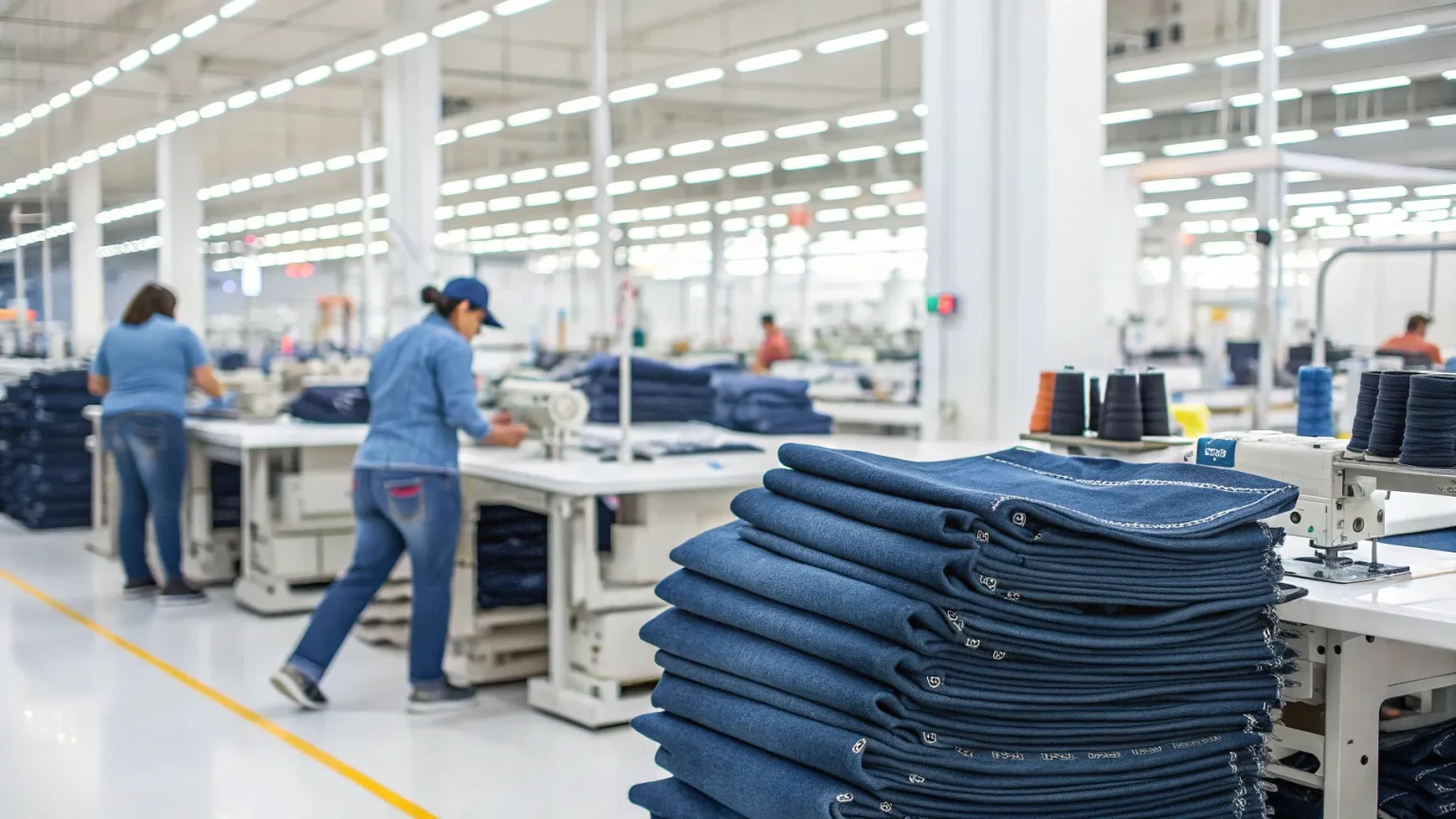
U.S. apparel companies are bringing parts of denim production back home, signaling fresh momentum for “Made in USA” jeans. After years of reliance on overseas factories, brands are reworking sourcing, sewing, and finishing steps to shorten lead times, control quality, and cut risk. The shift accelerated after pandemic disruptions and shipping shocks exposed fragile links in global trade. It has renewed attention on domestic mills, cut-and-sew shops, and cotton growers across the South and West.
The efforts of U.S. brands to rebuild domestic supply chains underscore the resilience of “Made in USA” denim.
Why Denim Makers Are Coming Home
For decades, U.S. denim labels shifted production overseas to lower costs. That model was strained by factory closures, port delays, and volatile freight prices during the pandemic. Brands also faced rapid shifts in demand that required faster replenishment. Executives now describe a “risk and speed” calculus that favors at least part of their sourcing base at home.
Consumer interest in traceable materials has also grown. U.S. cotton is widely used in premium jeans, and domestic production can prove fiber origin more easily. Shorter supply chains help companies track labor and environmental standards, which many retailers now require. Some labels are using this as a marketing point, but the core driver remains control and reliability.
The New Domestic Network
Rebuilding denim capacity is not a simple flip of a switch. The closure of several large U.S. mills last decade left gaps in weaving and finishing. Newer facilities have begun to fill some of that space, often at smaller scale and with updated looms and dye systems. Cut-and-sew capacity is expanding in hubs like Los Angeles, North Carolina, and Texas, where contractors are adding shifts for small and mid-sized runs.
Several brands now split production. They source fabric domestically for premium lines while keeping volume basics abroad. They also stage parts of the process in North America, such as fabric finishing in the U.S. and assembly in Mexico, to shorten delivery windows. That mix reduces risk without abandoning overseas partners.
- Shorter lead times for seasonal drops and reorders.
- Closer oversight of wash houses and quality control.
- Better inventory discipline for smaller batches.
Costs, Skills, and Scale Challenges
Domestic denim still costs more to make. Wages are higher, compliance is stricter, and many factories operate at limited scale. Brands offset those costs through tighter planning and better sell-through. Smaller runs reduce markdowns. Data-driven forecasting cuts fabric waste. These gains help narrow the price gap.
Skills are another hurdle. Sewing and machine maintenance jobs are hard to fill after years of offshoring. Training programs run by community colleges and regional groups are trying to rebuild the talent pipeline. Brands say the key is steady orders that justify long-term hiring and training.
What It Means for Shoppers and Workers
Consumers may see more jeans labeled “Made in USA,” often at higher price points. The promise is better quality control, traceable materials, and faster restocks of popular fits. For workers, new investment brings stable jobs in manufacturing towns that lost apparel work in past decades. Local leaders are pairing factory growth with upskilling efforts, aiming to raise wages and retention.
Environmental claims are under watch. Shorter shipping routes cut transport emissions, but energy use in dyeing and washing remains significant. Brands investing at home say they can standardize cleaner chemistries and water recycling with closer oversight. Advocates urge public reporting to verify those claims.
Signals To Watch
Industry watchers point to a few markers of momentum. More pre-booked domestic fabric capacity would suggest stronger demand. New finishing plants near cotton regions would show confidence in supply. Continued growth in North American assembly, including in Mexico, would confirm that nearshoring is sticking as a long-term strategy rather than a stopgap.
Retailers are also testing tighter calendars. If sell-through improves with smaller, more frequent drops, brands will likely keep shifting production closer to home. Wholesale partners may follow suit, asking suppliers to share lead-time and capacity plans.
Outlook
Denim’s return will be gradual. Most jeans sold in the U.S. will still be made overseas for now. But a durable domestic tier is taking shape, centered on premium lines and faster turns. The near-term task is rebuilding skills and matching capacity with realistic demand.
The early signs point to a stable mix of domestic, nearshore, and offshore production. If brands keep investing in people and equipment, “Made in USA” denim could move from niche to a reliable part of the market. Watch for new mills coming online, expanded wash facilities, and training pipelines. Together, those steps will determine whether today’s reshoring push turns into lasting strength.


