

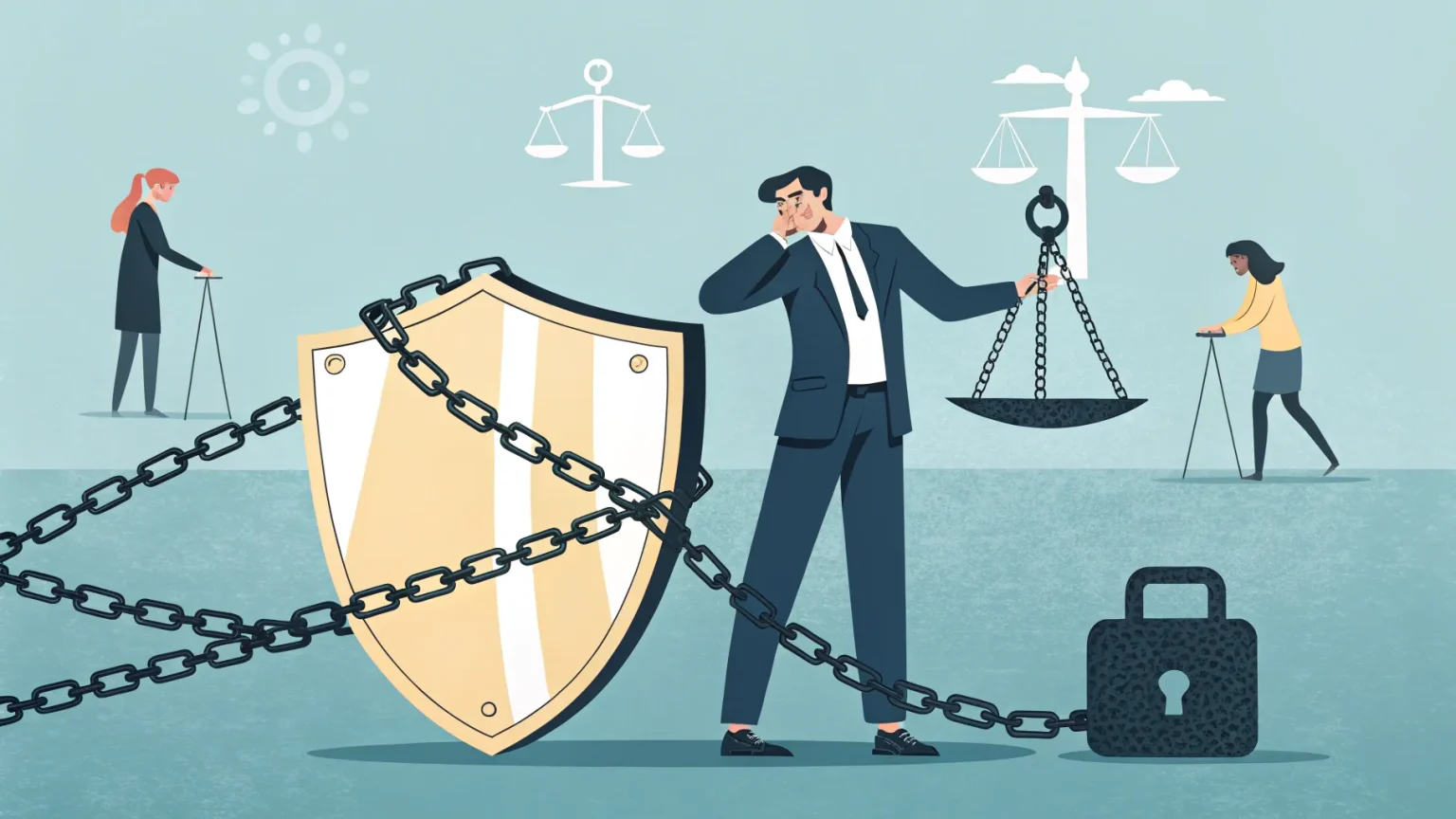
We live in a litigious country. There are roughly 20 million lawsuits a year in the United States. If you have wealth, you have a target on your back.
Here’s my stance: most people misunderstand trusts. A revocable living trust is not a lawsuit shield while you’re alive. It is a control document and a privacy tool when you die. If you think your trust makes you lawsuit-proof today, you’re setting yourself up for a rude awakening.
What Trusts Do—and What They Don’t
I once had a client who was panicked after being sued. He told me he was safe because “everything is in a trust.” I told him the truth.
“You don’t own anything.”
That line gets attention. It also gets misused. A revocable trust can hold your accounts, cars, and even your house. But you still control it. You can take assets out anytime. That control is exactly why it offers no real protection from lawsuits during your lifetime.
“There’s revocable trusts, which are very transparent… I could also take that out anytime I want if it’s revocable. And it really doesn’t have any protection mechanism while I’m alive.”
Control equals exposure. If you can move assets in and out, so can a court.

The Real Value: Privacy, Clarity, and Speed
Where trusts shine is after you pass. Without one, your estate goes through probate. That is public. It is slow. It is expensive. The court decides what happens, not your family, and not your wishes.
“If I have a trust… We could look up really famous people that didn’t have a trust, 100% of their assets are public knowledge permanently thanks to the internet.”
That’s not a scare tactic. That is reality. Probate invites conflict. Fees eat into inheritances. Your life becomes a case file. A clear trust avoids that mess and keeps your details out of the spotlight.
And here’s the part most people miss: a trust lets you control money after you die. You can lay out rules. You can protect heirs from their own bad decisions. You can support values you care about. You can keep what you built from being squandered.
“It sounds morbid, but a trust is something where you can control your money from the grave.”
Common Myths That Cost People Wealth
Let’s clear up the myths that get repeated at dinner tables and by well-meaning friends.
- Myth: A revocable living trust protects me from lawsuits. Reality: It doesn’t while you’re alive.
- Myth: Probate is no big deal. Reality: It’s public, slow, and costly.
- Myth: A will is enough. Reality: A will still goes through probate.
- Myth: I’m not rich, so I don’t need planning. Reality: Even modest estates suffer when there’s confusion.
These misunderstandings create chaos at the worst times. They also invite lawsuits because your structure is weak and your plan is unclear.
What To Do Instead
Your plan needs to be simple, legal, and designed for how you live and what you value. Build from clarity, not fear.
- Set up a revocable living trust for privacy, clarity, and speed after death.
- Title assets correctly so they pass under your trust, not probate.
- Use insurance and proper entities for lawsuit protection, not a revocable trust.
- Document your wishes with plain instructions your family can follow.
- Review your plan every few years or after major life changes.
Some will argue that trusts are confusing or only for the ultra-wealthy. That’s wrong. The confusing part is the mix-up between control and protection. The wealthy don’t avoid planning. They use it to reduce conflict and keep their affairs out of court.
Stop treating a trust like a magic shield. Treat it like your voice when you can’t speak and your plan when you’re gone.
The Bottom Line
Wealth attracts lawsuits. Confusion invites conflict. A revocable trust won’t stop a lawsuit, but it will protect your privacy, speed up transfers, and keep the court out of your family’s life.
Take action now. Get a clear trust. Title your assets properly. Use the right tools for protection, and the right tools for control. Your loved ones will thank you later.
If you want freedom while you’re alive and order when you’re gone, plan with intention today. That’s how you keep what you’ve built and make sure it serves the people and causes you care about.


