

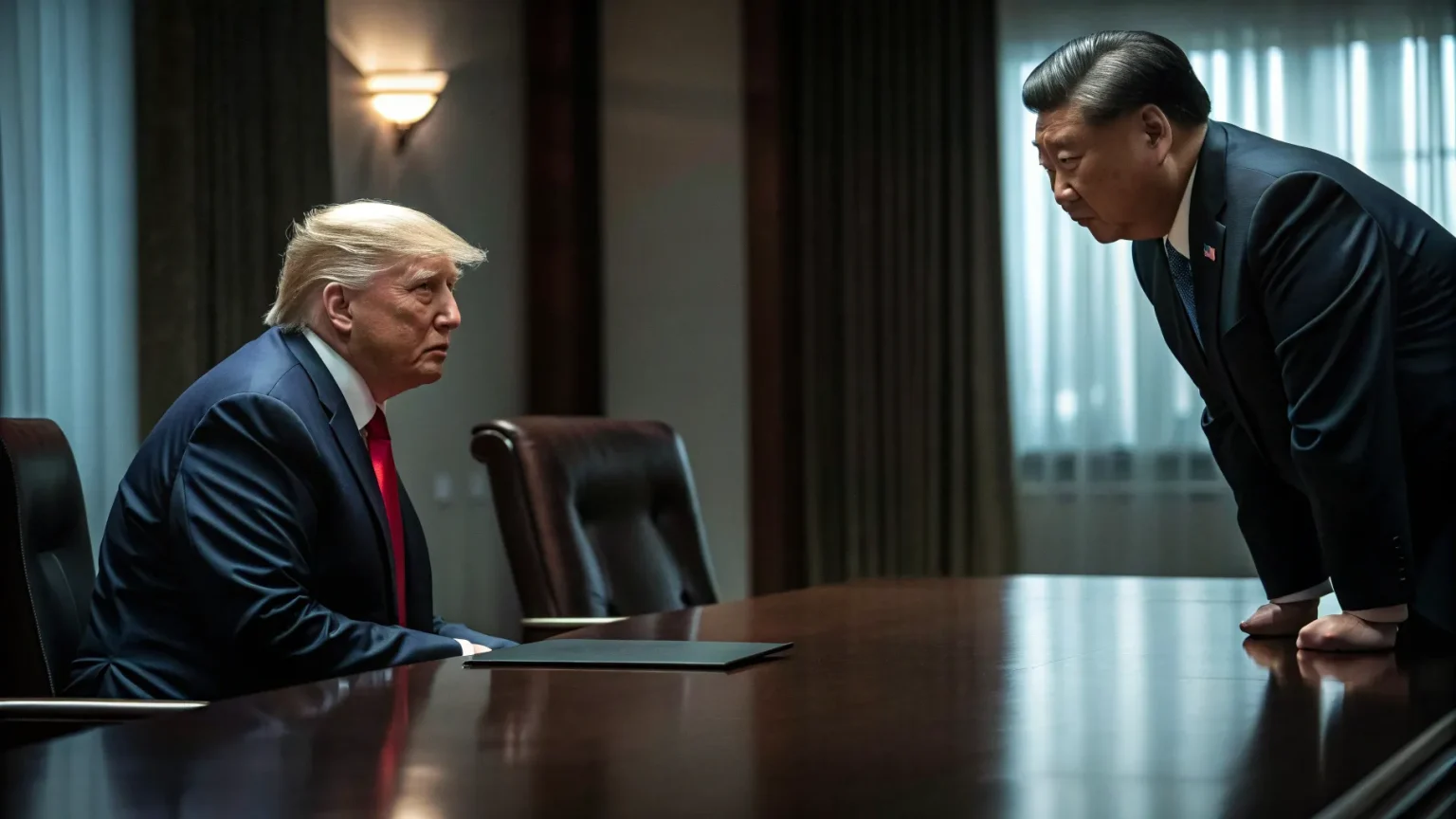
President Donald Trump threatened to impose a 100% tax on Chinese imports as soon as Nov. 1, raising the prospect of a sharp escalation in trade tensions. The warning, delivered amid fresh concerns about growth and inflation, suggests tariffs could return to levels that earlier this year stirred recession fears in markets.
The move would affect goods entering the United States from China and could reshape prices for items from smartphones to apparel. It would also mark a major shift from existing tariffs that have been in place since the 2018-2019 trade dispute.
What Was Said
President Trump threatened to place an additional 100% tax on Chinese imports starting on Nov. 1 or sooner, potentially escalating tariff rates close to levels that in April fanned fears of a recession.
The statement signals urgency and leaves open the option of acting sooner than the stated date. It also links the threat to earlier market anxiety tied to higher tariffs.
Background: A Trade Fight With Long Roots
The United States began levying wide tariffs on Chinese goods in 2018 under Section 301, citing unfair trade practices and technology transfers. By 2019, tariffs covered roughly $370 billion in imports, with rates between 7.5% and 25% on many goods.
Studies from the New York Federal Reserve and academic researchers found the earlier tariffs raised costs for U.S. consumers and businesses. One 2019 estimate suggested an average household burden of several hundred dollars per year due to higher prices. Importers often paid the duties upfront, then passed costs along the supply chain.
While some industries saw relief from foreign competition, many firms reworked supply chains, shifted sourcing to other countries, or absorbed lower margins. China responded with its own tariffs on U.S. exports, especially in agriculture, squeezing farmers until purchases resumed under later deals.
Economic Stakes: Prices, Growth, And Inflation
A 100% tariff on Chinese imports would double the price at the U.S. border for affected goods. That could raise retail prices for electronics, furniture, clothing, toys, and many household products.
Economists say the effect would depend on how broadly the measure applies and how quickly companies can switch suppliers. The near-term result would likely be higher inflation as importers adjust pricing and inventory. Growth could slow as consumers pull back on discretionary purchases and businesses delay investment.
Past tariff rounds showed uneven impact across sectors. Retailers with thin margins and long, China-heavy supply chains would feel pressure first. Manufacturers reliant on Chinese inputs could face higher costs and production delays, feeding through to car parts, machinery, and appliances.
Business And Market Reaction
Companies typically hedge tariff risk by diverting orders to Vietnam, Mexico, or other suppliers. But a sudden rate hike of this size leaves little time to pivot, especially before the holiday season. Shipping contracts and certification rules complicate rapid changes.
Financial markets tend to react to tariff shocks with higher volatility and a flight to safer assets. Equity investors watch consumer discretionary and tech hardware stocks for early signs of stress. Commodity markets track potential hits to global trade volumes.
Policy And Legal Path
Presidents have used authorities such as Section 301 of the Trade Act of 1974 and the International Emergency Economic Powers Act to adjust tariffs. A universal 100% rate on Chinese imports would be tested by court challenges and face pushback at the World Trade Organization.
Allies would also evaluate spillovers. A sweeping tariff could redirect Chinese goods into third-country markets, disrupting partners and inviting countermeasures. It could also complicate joint efforts on export controls, data security, and supply chain resilience.
What To Watch Next
- Scope: Whether the measure covers all Chinese imports or targets specific sectors.
- Timing: If action comes before Nov. 1 and whether there is a phase-in.
- Exemptions: Possible exclusions for critical inputs or consumer staples.
- Retaliation: China’s response on U.S. exports or regulatory actions.
- Inflation: The pass-through to prices during peak retail months.
The threat signals a new round of trade brinkmanship with broad consumer and business stakes. If enacted as described, the tariff would lift import costs overnight and tighten financial conditions.
For households, the near-term risk is higher prices on common goods. For companies, the challenge is supply certainty and margin pressure. For policymakers, the test is balancing strategic aims with inflation and growth.
Investors and executives will watch for details on scope, timing, and carve-outs. The final policy design will determine whether this is a negotiating tactic or a binding shift in trade strategy. Either way, the coming weeks will set the tone for U.S.-China commerce heading into year-end.


