

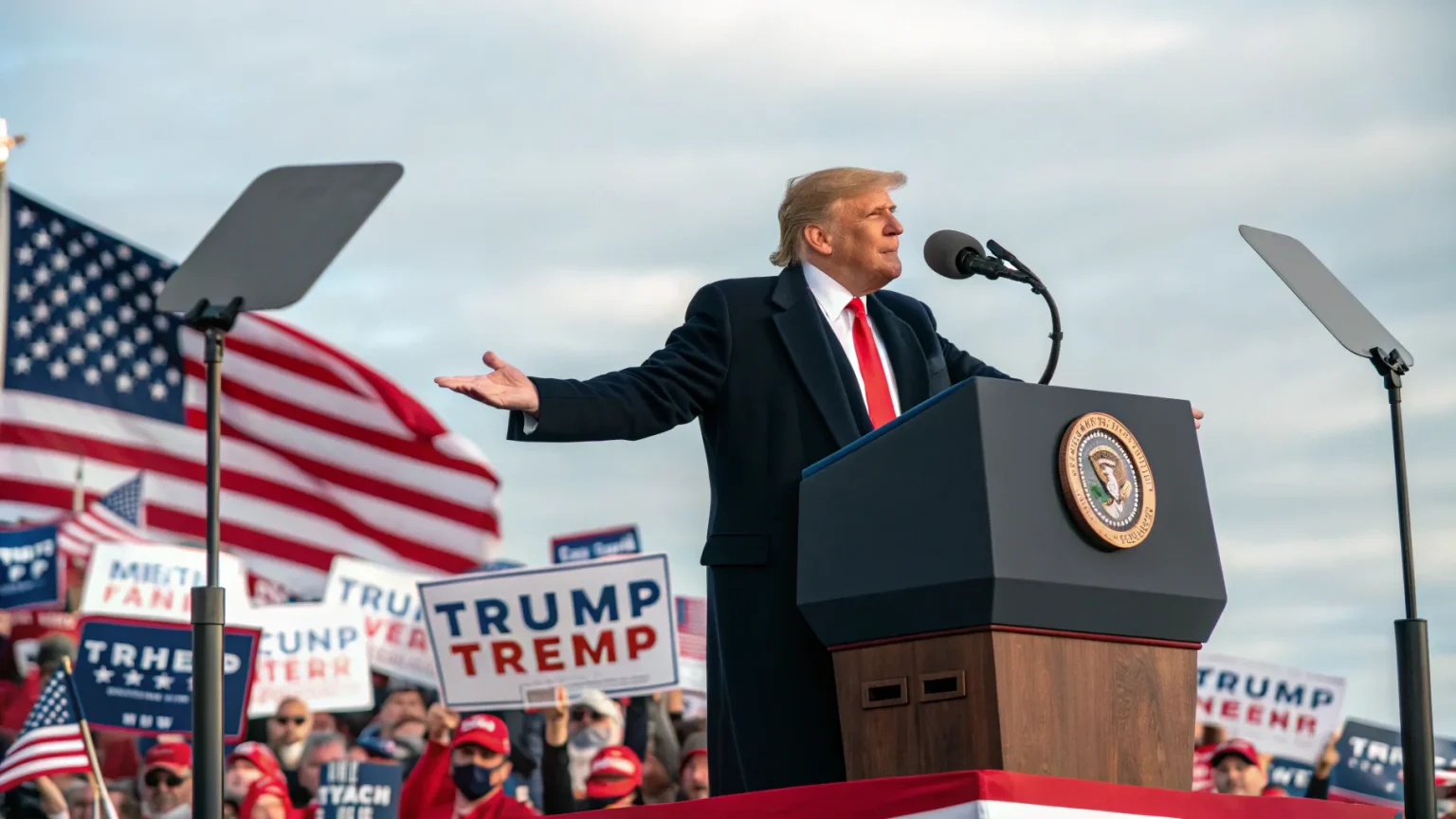
Former President Donald Trump is sharpening his economic pitch on the campaign trail as Republicans try to beat historical midterm headwinds. The push comes amid intense focus on household costs, jobs, and growth, with both parties racing to frame the stakes for voters.
GOP strategists see a window to make the election a referendum on economic performance and personal finances. Democrats, meanwhile, argue that Republican plans would favor the wealthy and risk social safety nets. The closing argument will shape turnout and control of Congress.
Media Framing and the Core Message
“‘The Big Money Show’ panel discusses President Donald Trump’s push to sell his economic agenda on the campaign trail as Republicans look to defy history ahead of the midterm elections.”
The emphasis on an economic message highlights what often matters most to voters: paychecks, prices, and stability. Trump’s pitch leans on promises of tax relief, energy production, and tougher trade policy. The theme aims to reassure voters that growth and jobs will accelerate under a Republican-led agenda.
Supporters say the message is simple and repeatable at rallies and local events. Critics warn that some proposals could expand deficits or add uncertainty to global trade. The debate is landing as families measure progress by food, gas, rent, and mortgage costs.
The Historical Hurdle
Midterm elections have often punished the party aligned with the White House. Since World War II, the president’s party has commonly lost seats in the House. The Senate has been more volatile, but the pattern still favors the opposition.
- Midterms usually see lower turnout than presidential years.
- Voters often use midterms to rebalance power.
- Economic sentiment can swing close races.
Republicans hope a focused economic message can blunt that trend. They seek to convert frustration over prices and uncertainty into votes. Democrats are working to hold key suburbs and mobilize base voters with their own economic framing.
What Republicans Are Arguing
Republican candidates often highlight tax cuts, deregulation, and domestic energy as growth drivers. They argue that limiting federal rules can spur business investment and hiring. Some also call for stricter oversight of federal spending to restrain prices.
Advisers suggest that repeated, local examples can make the case more tangible. They point to small businesses facing higher input costs and families whose savings have been squeezed. The message tries to link policy choices with weekly budgets.
Democratic Counterpoints
Democrats counter that Republican plans would widen deficits if tax revenues fall faster than spending. They also warn that cutting federal programs could hurt seniors and low-income families. On energy, they say policy should balance supply with climate goals and long-term resilience.
Democratic candidates promote targeted tax credits, infrastructure projects, and consumer protections. They argue that these measures support growth while easing inflation pressures. They also stress the importance of stable insurance markets and prescription cost caps.
Voter Priorities and What Comes Next
Polling routinely shows the economy as a top issue across age and income groups. Candidates in both parties now test messages on prices, wages, and economic security. The final weeks will likely feature visits to manufacturing hubs, distribution centers, and small-town main streets.
Key dynamics to watch include ads on taxes and spending, retail politics in swing districts, and any late shifts in consumer sentiment. Markets and business leaders will monitor whether the expected policy path changes after Election Day.
The race will turn on who presents the more persuasive plan to steady prices and lift wages. Republicans want the contest to center on household budgets and growth. Democrats aim to frame a broader choice that includes economic security and social protections. The outcome will signal which economic vision resonates most and where power in Congress will rest.


