

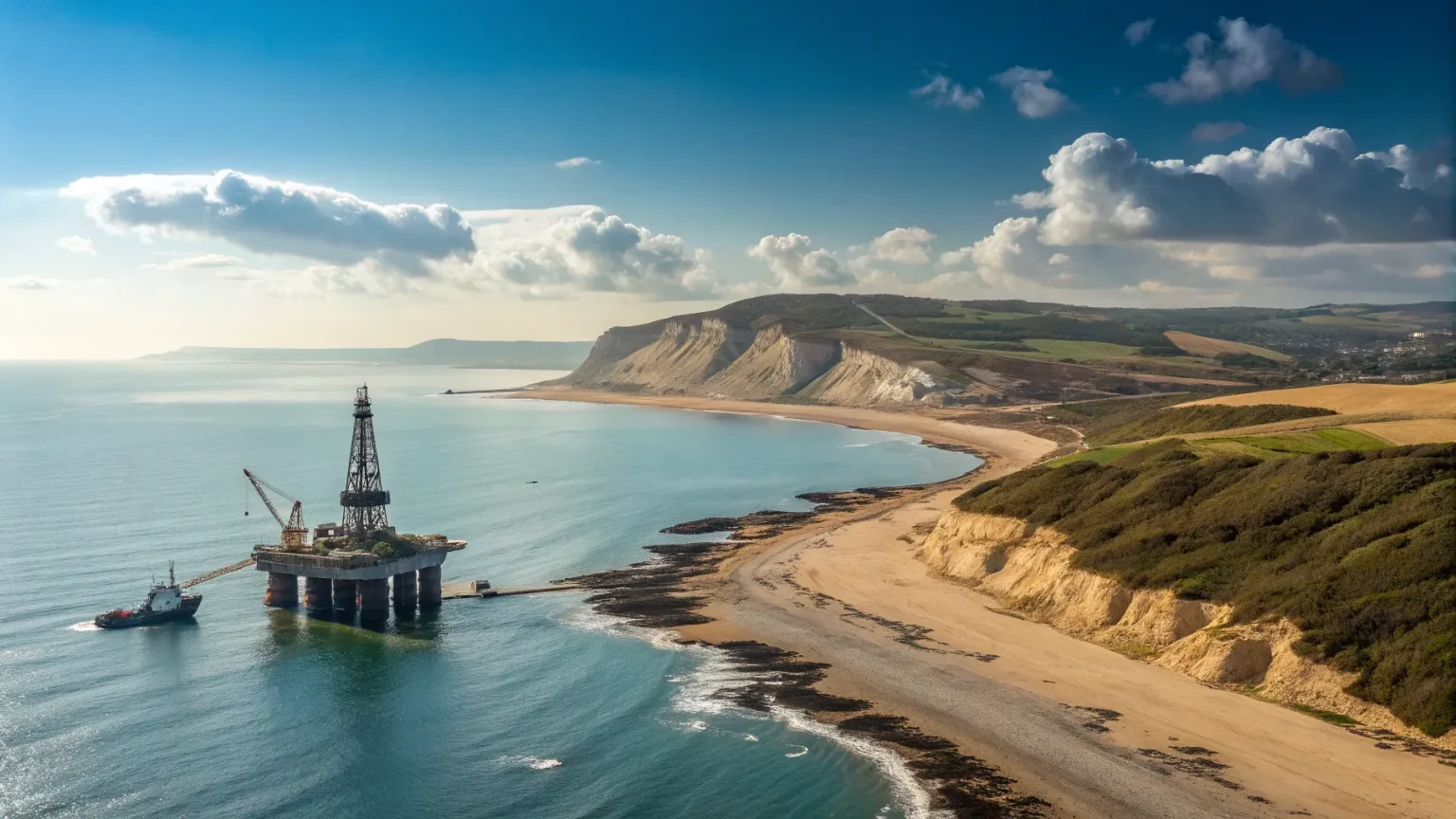
The Trump administration moved Thursday to open new oil drilling off the California and Florida coasts for the first time in decades, setting up a high-stakes fight over energy, tourism, and coastal safety. The plan, announced in Washington, D.C., advances President Donald Trump’s push to expand U.S. oil production and signals a major shift for two states that have long resisted offshore development.
“The Trump administration announced on Thursday new oil drilling off the California and Florida coasts for the first time in decades, advancing a project that critics say could harm coastal communities and ecosystems, as President Donald Trump seeks to expand U.S. oil production.”
The proposal arrives as global oil markets remain sensitive to supply shocks and domestic producers seek more access to federal waters. It also revives old debates about jobs and revenue versus environmental risk, especially in regions where beaches and fisheries drive local economies.
What the Plan Proposes
The move would reopen parts of the Pacific and Atlantic outer continental shelf that have seen little to no leasing activity since the late 1980s and early 1990s. California has effectively kept drilling at bay since the 1969 Santa Barbara spill galvanized opposition. Florida has long argued its tourism-dependent economy would suffer from rigs and potential spills near its shores.
Federal officials often frame such plans as multi-year leasing programs, with environmental reviews, public comment, and state input. If leases are sold, companies still face permitting and drilling approvals, which can take years.
Economic Stakes and Local Fears
Supporters argue more offshore drilling would boost domestic supply, create jobs, and generate federal and state revenue through lease sales and royalties. They say advances in drilling technology can reduce risk and lower operating costs.
Coastal communities warn even small spills can hurt tourism, property values, and fisheries. Florida’s beaches and theme parks draw millions of visitors each year. California’s coastal economy relies on surfing, recreation, and commercial fishing. Local officials in both states have historically opposed offshore expansion, citing threats to their tax base and quality of life.
Environmental and Safety Concerns
Environmental groups point to recent and historic spills as cautionary tales. The 2010 Deepwater Horizon disaster released about 4.9 million barrels of oil into the Gulf of Mexico, damaging ecosystems and costing tens of billions of dollars in cleanup and claims. California still bears the legacy of the 1969 Santa Barbara blowout, which helped launch the modern environmental movement.
Critics also raise concerns about seismic surveys used to find oil and gas, which can affect marine life. They argue expanding fossil fuel production runs counter to climate goals and could lock in emissions for decades.
Political and Legal Hurdles
The plan is likely to face lawsuits from states, environmental groups, and possibly local governments. Governors and attorneys general in coastal states have previously challenged federal offshore leasing decisions, arguing they threaten state economies and natural resources.
Congress and the White House also influence what areas are available. Presidents have used executive authority to withdraw areas from leasing, while Congress has funded moratoriums in the past. Any final program would have to navigate these layers of authority.
What Comes Next
- Public comment periods and environmental reviews will shape the final leasing map.
- States can use coastal zone management laws to challenge projects that conflict with their plans.
- Any leasing would be followed by separate drilling permits and safety reviews.
Energy companies will watch for clarity on which tracts are included, the timing of lease sales, and the terms attached to safety and environmental protections. Coastal businesses and conservation groups will press for exemptions or outright cancellations, especially near tourist hubs and sensitive habitats.
The announcement marks the start of a lengthy process rather than an immediate surge in drilling. Still, it sets a clear policy direction: expand access to offshore reserves in pursuit of more domestic production. The outcome will hinge on court rulings, state-federal negotiations, and the strength of local opposition. Investors, residents, and travelers should watch how much of California and Florida remain on the table once the plan meets public scrutiny and legal tests.


