

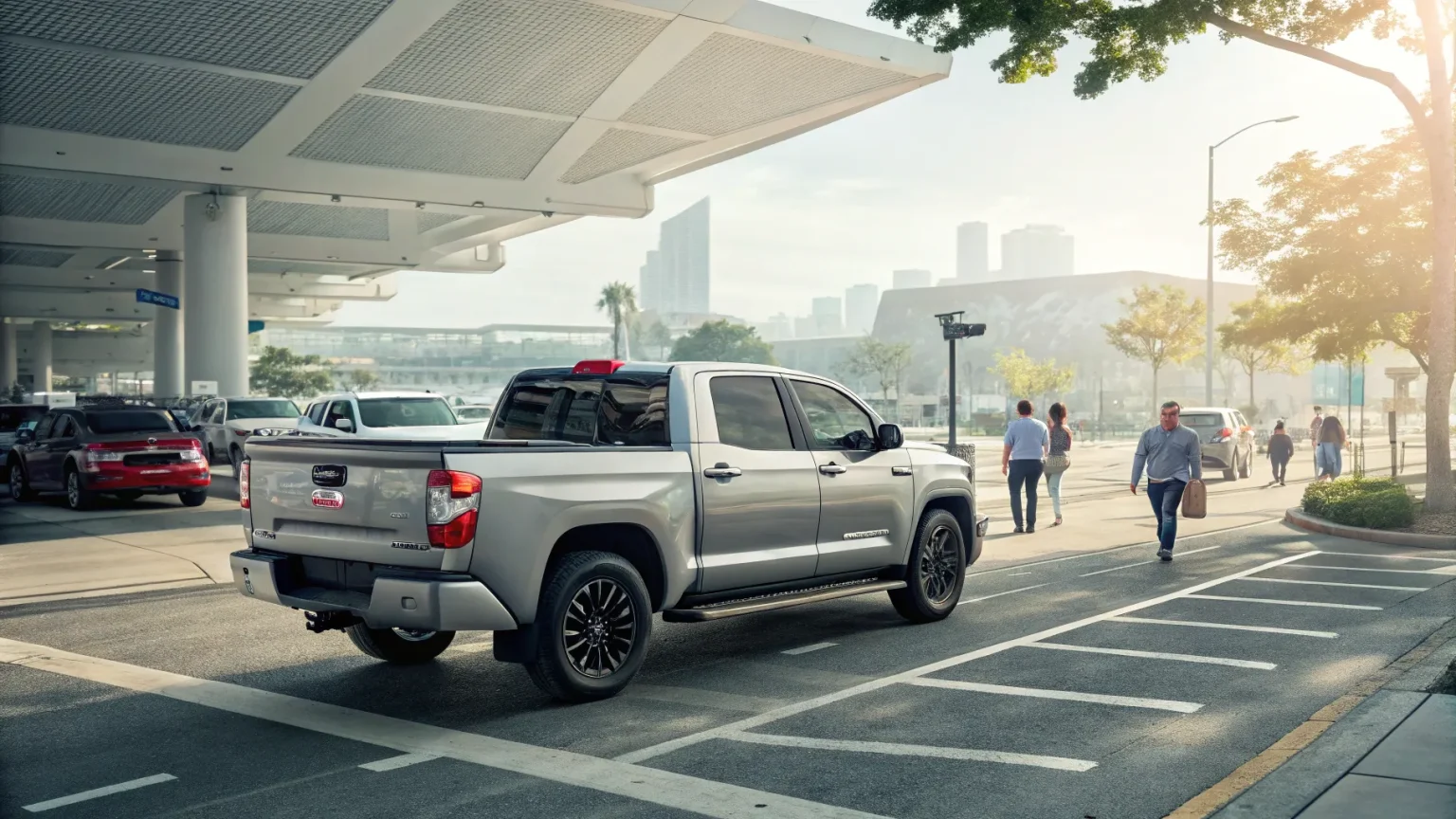
Toyota is recalling more than 161,000 Tundra pickups after federal regulators warned that a software defect could stop the rearview camera image from appearing, raising the risk of a crash. The action affects U.S. owners, who rely on backup cameras for safer reversing in traffic and crowded parking areas. Regulators said the defect may prevent drivers from seeing people or objects behind the vehicle.
“Toyota recalls over 161,000 Tundra trucks due to software defect possibly preventing rearview camera display, increasing crash risk,” according to federal regulators.
The notice did not specify model years or a repair timeline. Toyota typically coordinates with the National Highway Traffic Safety Administration (NHTSA) to notify owners and dealers, and to outline remedies at no cost to customers.
Rear Visibility Rules and Safety Concerns
Rearview cameras became standard on passenger vehicles in the U.S. under a federal rule that took full effect in 2018. The standard, known as Federal Motor Vehicle Safety Standard No. 111, requires automakers to provide a clear and timely rearview image when the vehicle is in reverse.
When that image fails to display, the risk of backing crashes rises, particularly in driveways, school zones, and parking lots. Safety studies have shown that rear visibility technology can reduce backing incidents involving pedestrians, including children and older adults who may be harder to see.
Software faults have become a larger share of vehicle recalls as automakers add more digital features. Backup camera systems rely on code that connects cameras, sensors, and dashboard screens. If the software does not load or crashes during startup, the driver may not get a picture in time.
What Drivers Should Do Now
Owners should watch for a formal notice from Toyota, which usually arrives by mail and provides instructions on repairs. Until a fix is performed, drivers can take simple steps to reduce risk when reversing.
- Check behind the truck before shifting into reverse.
- Use mirrors and turn your head to confirm the path is clear.
- Reverse slowly and be ready to stop if the screen stays blank.
- Contact a dealer if the rearview image fails to appear.
Most recall repairs for display issues involve a software update at a dealership. Federal rules require that recall repairs be provided at no cost, though scheduling may depend on parts or software availability.
Toyota’s Track Record and Industry Impact
Large recalls are not unusual for high-volume trucks like the Tundra. Manufacturers have issued multiple software-related recalls across the industry, covering infotainment screens, camera modules, and electronic control units that affect safety features.
Owners have come to expect over-the-air fixes for some issues, but many trucks still require in-person service. That can mean wait times at dealers and temporary inconvenience. The benefit is a verified repair, documented by the service department and reported back to regulators.
For Toyota, the priority is maintaining trust in a competitive pickup market. The Tundra competes with offerings from Ford, General Motors, and Stellantis, where rear visibility performance is a key selling point, especially for towing and work use.
Safety Experts Weigh the Risk
Traffic safety advocates note that backup cameras are now part of a wider set of crash-avoidance tools. When one element fails, drivers may overestimate their situational awareness. Experts advise pairing technology with careful driving habits.
Regulators focus on early identification of software defects because malfunctions can affect many vehicles at once. A quick recall provides a framework to alert drivers and to standardize the fix across the fleet.
What Comes Next
NHTSA is expected to publish more details on the recall notice, including affected model years, recall numbers, and repair instructions. Toyota dealers will prepare service procedures and inform customers about scheduling.
Drivers should monitor official notices and check their vehicle identification number on NHTSA’s recall website for updates. The key question is how quickly a software remedy can be deployed and verified in service bays nationwide.
This recall highlights the growing role of software in essential safety functions. The immediate takeaway for owners is simple: treat a blank backup camera screen as a safety risk, and seek the repair once available.


