

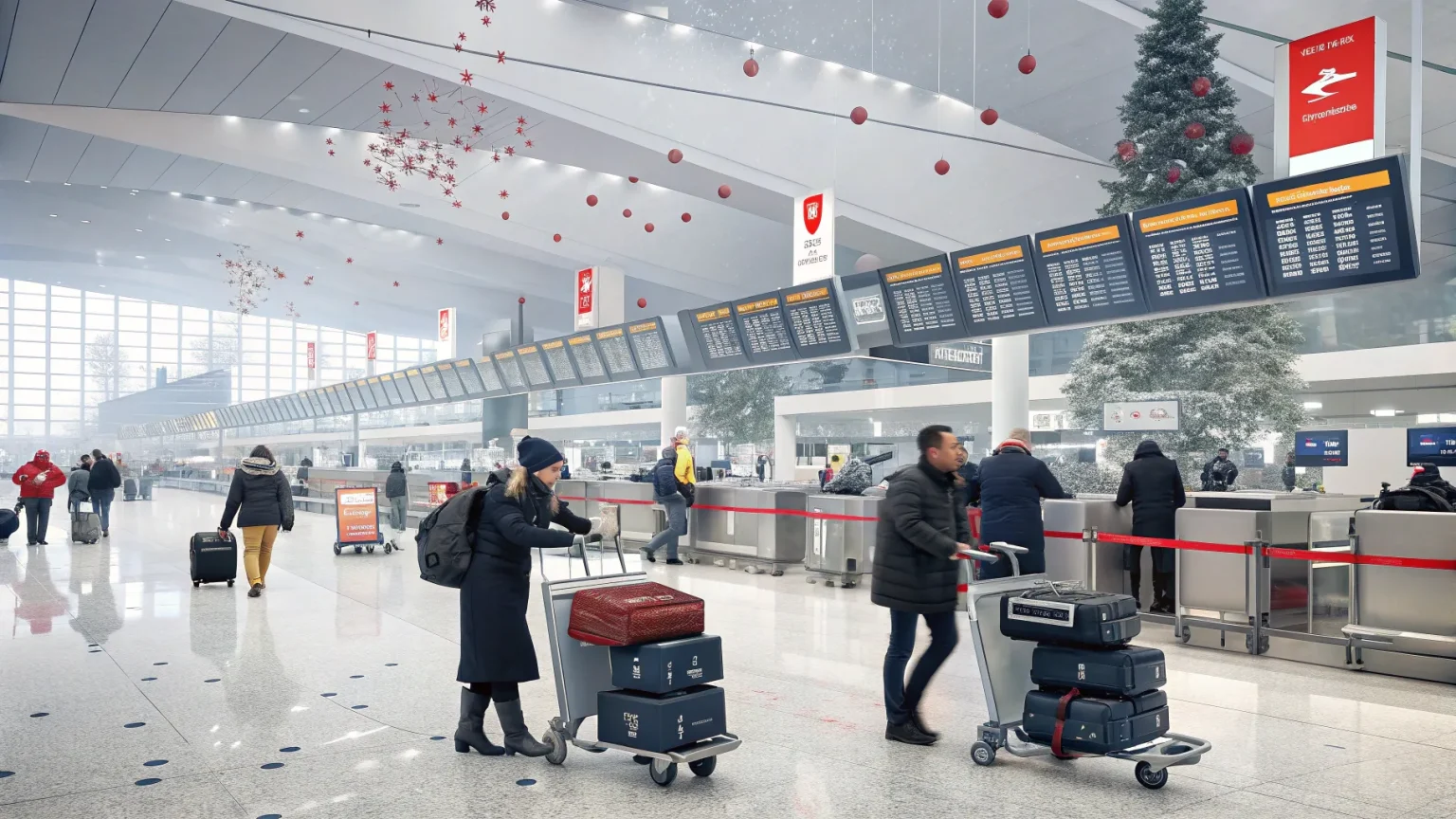
Airline cancellations are mounting ahead of the Thanksgiving rush, and warnings are growing that the trouble could spill into other parts of the economy. Analysts said the risk will rise if disruptions persist into one of the busiest travel weeks of the year, stressing that the effects would not stop at airports.
“Analysts warn that the upheaval will intensify and spread far beyond air travel if cancellations keep growing and reach into Thanksgiving week.”
The concern centers on a fragile system that relies on tight schedules, full planes, and precise staffing. If those elements break down, delays can pile up fast. Travelers could face missed connections, and businesses could see late shipments just as holiday spending peaks.
What Is Driving The Cancellations
Several pressure points are converging as holiday travel approaches. Weather remains the most common cause of cancellations, and early storms can snarl traffic for days. Air traffic control staffing remains tight in some regions, which can force slower flows at busy hubs. Airline operations are also delicate during peak travel, when spare aircraft and crews are limited.
Labor availability adds to the strain. Sick calls, training backlogs, and tight overtime budgets can create gaps that are hard to fill on short notice. When one flight cancels, crews may fall out of position, creating a chain reaction that is tough to unwind.
Ripple Effects Across The Economy
Disruptions during Thanksgiving reach more than leisure travel. Employers rely on timely returns to work after the holiday. Late flights can ripple into staffing shortfalls on the following Monday. That can dent productivity in retail, warehousing, and customer support at a critical moment.
Air cargo is another weak point. Perishable goods, medical supplies, and high-value electronics all depend on tight delivery windows. Any slowdown can jam distribution centers and raise costs for shippers. Retailers could face tight inventories for popular items, forcing markdowns later or lost sales now.
Hotels and rental car firms plan staffing and fleet levels around arrival patterns. Cancellations can cause last-minute no-shows one night and a surge the next. That chaos can increase costs and reduce service quality. Airport concessions also feel the pain when boarding areas empty out or overflow without warning.
How Airlines And Agencies Are Responding
Carriers say they are adjusting schedules, adding reserve crews, and improving communication when events snowball. Some are trimming frequencies on the edges of peak periods to build more slack into operations. Others are shifting widebody aircraft to busy routes to add seats without adding flights.
Federal officials have pushed for more staffing in control facilities and encouraged carriers to match schedules to what the airspace can handle. Airports are expanding staging areas, adding signage, and preparing overflow spaces for long lines. These steps can ease pain, but they cannot erase the effects of major storms or nationwide crew shortages.
What Travelers Can Do Now
- Book the earliest flight of the day when possible.
- Choose nonstop routes to reduce connection risks.
- Monitor airline apps and enroll in text alerts.
- Travel with carry-on bags to rebook faster.
- Know your passenger rights for refunds and rebooking.
What History Tells Us
Thanksgiving week often sets annual records for passenger volumes. Even in stable years, the system runs near capacity. When storms hit or staffing falters, recovery can take days. Past holiday periods show that disruptions tend to cluster around key hubs, then spread as aircraft and crews fall out of position.
Consumer behavior can shift quickly. A rough holiday experience can reduce demand for future trips, at least for a few months. Families may opt to drive on regional routes. Business travelers might move meetings online in the short term to avoid risk.
The Outlook For The Holiday Week
Analysts stress the next several days will be decisive. If cancellations stabilize now, the system could enter Thanksgiving week on steadier footing. If they rise, the strain could extend into retail, logistics, and customer service right as holiday sales peak.
For travelers, the message is simple: plan for extra time and have a backup. For airlines and agencies, the test is whether new staffing and scheduling moves can absorb shocks without triggering a cascade.
The coming week will show whether the industry can keep disruptions contained. If not, the fallout could reach households, store shelves, and workplaces at the start of the season when reliability matters most.


