

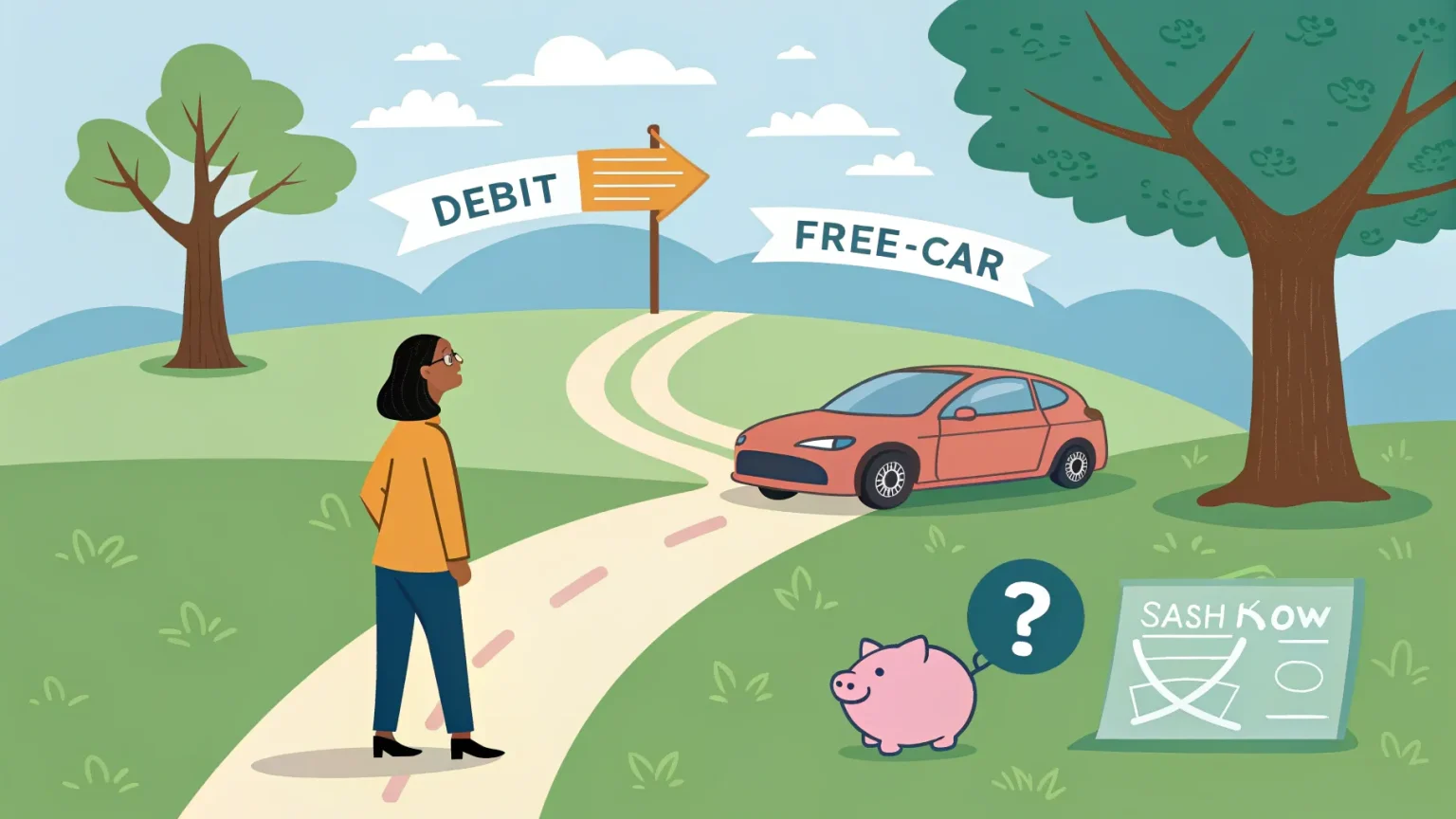
People brag about owning a car free and clear while paying 20% on a credit card. That’s not smart. It’s expensive. It hurts credit and drains cashflow. My stance is simple: restructure bad debt first. Use cheaper money to kill costly money. Then build a plan that actually boosts your score and keeps more cash in your pocket.
The Real Credit Score Game
Credit isn’t just about paying bills; it’s about the type of debt and how it’s used. Installment loans behave differently than revolving credit. A paid-off car looks nice, but if a high-interest card is eating your lunch, you’re losing. The rules reward on-time installment payments and punish maxed-out cards. That’s the game most people ignore.
“A car loan is an installment loan, and if you pay it on time, it will boost your credit.”
I’m not telling you to go buy more stuff. I’m telling you to restructure what you already have. Lower the rate. Improve utilization. Free up cashflow. I’ve watched this shift change scores and stress levels. It’s not about being fancy; it’s about being efficient.

Use Cheaper Money to Kill Costly Money
If a credit card charges 20%, that is your emergency. Paying that rate while sitting on equity or a paid-off asset is a silent tax on your life. Refinance the car at a reasonable rate and wipe out the card. Now you’ve turned a revolving balance into a predictable payment that can even help your score.
“Refinance the car, pay off the credit card.”
Same idea with your house. If you have equity, look at a refinance or a home line of credit. You can often get a much lower rate than a card. In some cases, interest may even be tax-deductible if used under current rules. That’s real savings, not theory.
Here’s the key: don’t confuse feeling debt-free with being financially free. Financial freedom is cashflow, optionality, and low-cost capital working in your favor.
What To Do Instead
Here’s a simple path that helps most people get traction fast.
- List every debt with balance, interest rate, and type (revolving or installment).
- Target the highest-interest revolving debt first. That’s usually the card.
- Refinance a car at a lower rate and use proceeds to pay off the card.
- Consider a home refinance or line of credit to consolidate costly balances.
- Automate on-time payments to build credit with installment loans.
- Keep credit utilization under 30%—under 10% is even better.
- Freeze spending on cards you just paid off to avoid backsliding.
These steps aren’t complex. They require a decision and a little discipline. The gains show up quickly in lower interest and a healthier score.
But Isn’t a Paid-Off Car Safer?
I hear that a lot. Emotionally, it feels safer. Mathematically, it can be costly. If the car sits at 4–8% and the card sits at 20%, you’re paying a premium for that feeling. That premium compounds every month.
Another concern: variable rates on a home line of credit. Fair point. That’s why the plan must include a paydown schedule. If a fixed-rate refi makes more sense, do that. The goal is always the same—trade expensive debt for cheaper debt, then eliminate it on a schedule you control.
One more trap: paying off the card and then running the balance back up. That’s the financial treadmill. Put a pause on card spending or move recurring charges to a debit or a card you pay weekly. This is about cashflow, not deprivation.
The Bottom Line
Stop worshiping a paid-off asset while hemorrhaging interest somewhere else. Prioritize cashflow. Use installment loans to build credit. Keep utilization low. Make interest work for you, not against you.
I became a multimillionaire by focusing on efficiency, not sacrifice. You don’t need more willpower. You need a better structure. Start by hunting the highest rate you’re paying and replace it with the lowest rate you can access. Then automate the win.
Do this today: review your debts, refinance where it saves real money, and kill the 20% card first. Protect your cashflow. Build your score. Choose strategy over ego. Your future self will thank you.


