

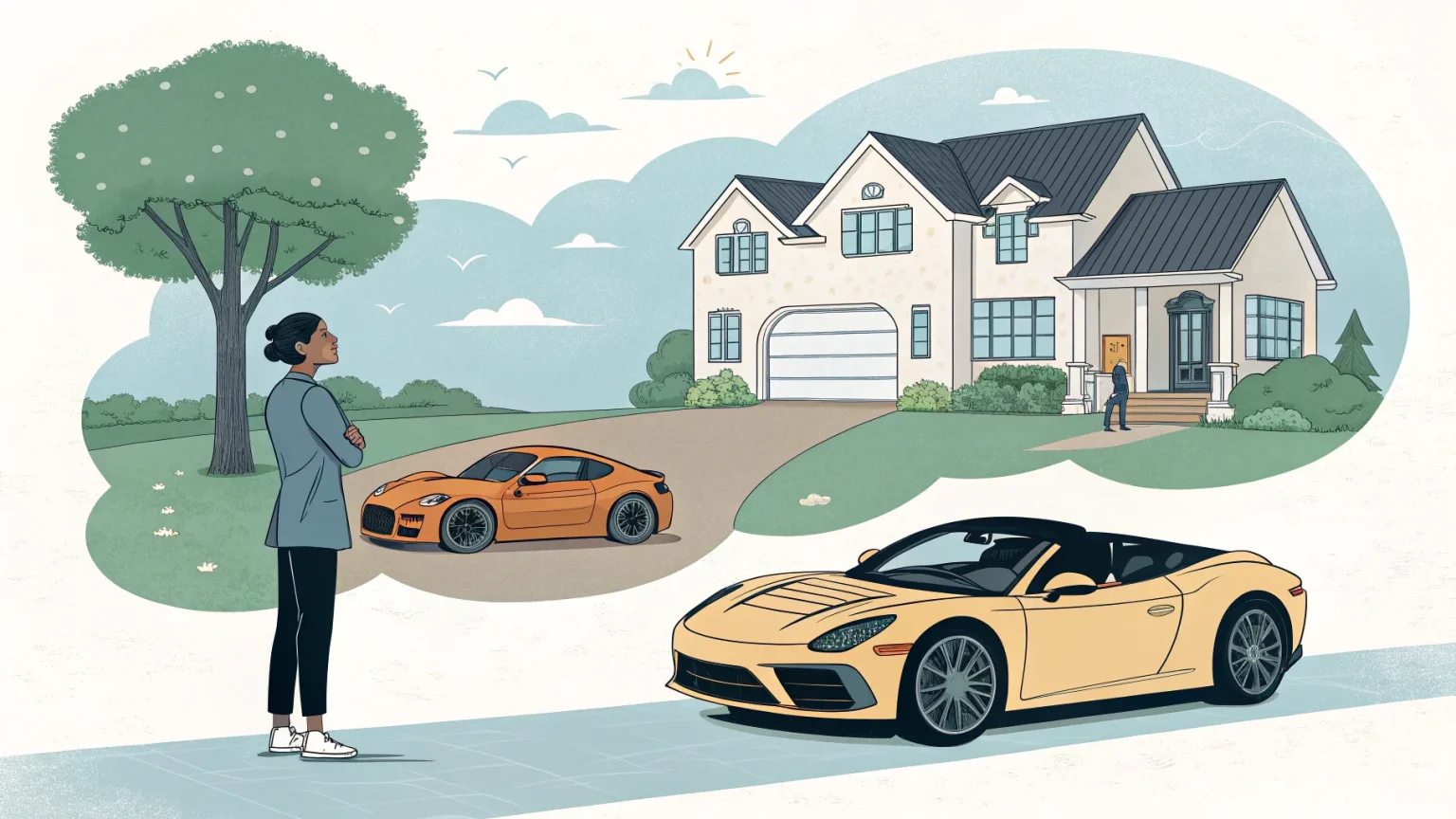
Money myths cling to simple rules. Buy used if you are smart. Buy exotic if you are rich. That thinking is lazy and costly. Wealth is not a badge on a hood. It is a set of choices that match values, results, and joy. My stance is simple: buy what you love, for reasons that last. Skip the purchases made to impress people who do not pay your bills.
“If you’re wealthy, you buy a used car. Or if you’re wealthy, you buy an exotic car. None of that’s true.”
Status Symbols Are a Trap
Cars are emotional. They carry stories and egos. That is why they become poor tests of discipline. Buying for status is a silent tax on your future. It can look like ambition, but it often hides insecurity.
Some will always buy used to cut costs. That can be wise if it aligns with real goals. Others will buy new because they value time, warranty, or delight. The point is not the price tag. The point is purpose.
“Some people, if they just want to save money and reduce expenses, they might always buy used. That’s not my path.”
My path is results-driven. Entrepreneurs thrive when rewards match performance. A celebration can fuel the next win. A stunt purchase drains energy. If the car lights you up, own it. If it is a prop, walk away.
“Entrepreneurs are more about like, hey, maybe reward yourself for the gains that you’ve got. And if it’s a car that you love, go for it. If it’s not, then don’t.”

A Better Framework for Buying
Use a simple filter before signing anything. The goal is clarity, not perfection.
- Purpose: Does this car improve life, or image?
- Cash flow: Can you buy it without stress or sacrifice to key goals?
- Timing: Is this a reward for a real milestone, not a hope?
- Use: Will you drive it often enough to justify the cost?
- Resale and total cost: Fuel, insurance, maintenance, and depreciation matter more than sticker price.
When those answers line up, the decision gets easy. When they do not, the car owns you.
What Actually Builds Wealth
Cash flow beats optics. A car that fits your plan keeps momentum. A car that strains cash flow kills options. Wealth grows with liquidity, not likes.
Meaning beats marketing. A daily driver that saves time, protects focus, and brings joy can be a smart buy. A garage queen that feeds envy is a cost center.
Honesty beats hype. If part of the urge is to prove worth, pause. That itch never goes away. The price only goes up.
“Don’t buy it just to prove something to someone else. It doesn’t work long term. It might be motivating initially, but it kind of leads to bitterness and anger…”
But What About “Always Buy Used”?
There is a case for used. Slower depreciation. Lower insurance. Less pressure. Yet dogma fails because lives differ. New can make sense when reliability, warranty, or business use saves time and risk. Used can be great when maintenance history is solid and financing is clean. Rules of thumb should inform, not control.
Answer the Only Questions That Matter
Before buying, ask and answer with honesty:
- Will this purchase raise or lower monthly freedom?
- Does it reward results already earned?
- If no one saw it, would you still want it?
- What must be delayed or reduced to afford it?
- What is the exit plan if your needs change?
Clear answers reduce regret. Fog breeds bad deals.
Wealth is alignment. Align purchases with values, vision, and verified wins. That is how money becomes a tool for life, not a scoreboard.
Here is the bottom line. Buy used. Buy new. Buy exotic. Or keep your old ride. Any of those can be smart when the choice reflects truth, not ego. Your worth is not parked in the driveway.
Call to action: Audit your next big buy with the five questions above. Set a milestone that unlocks the purchase. Fund it from cash flow, not pressure. Make the decision that serves your life, not someone else’s attention span.


