

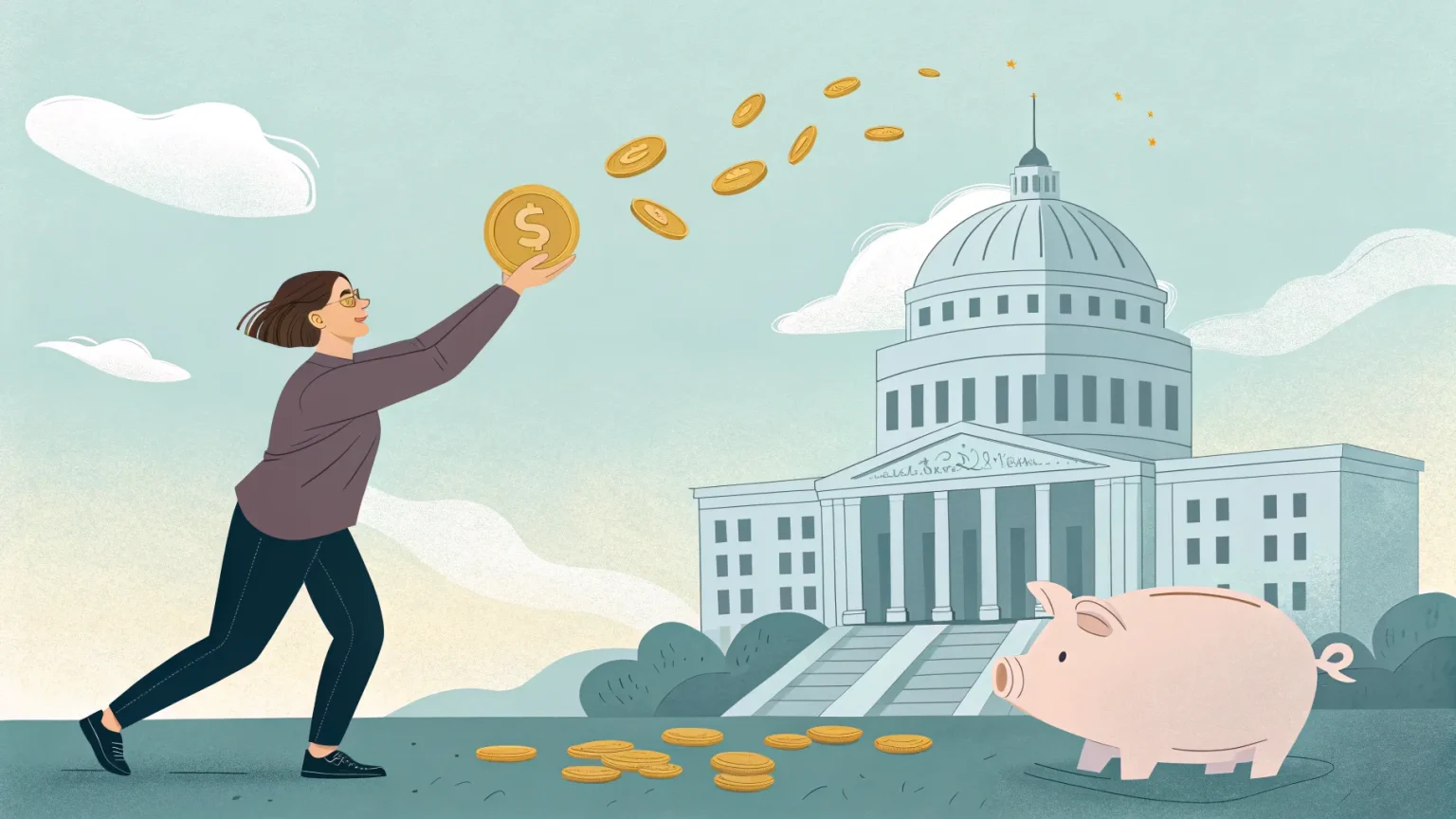
People love to complain about unfair tax breaks, but few take the time to learn the rules. I’m not talking about shady gimmicks. I’m talking about legal design. The kind Sam Walton used when Walmart was a small five-and-dime. My view is simple: if you don’t design your money, the government will design it for you.
Taxes touch every corner of life. That won’t change. But how you structure your assets, income, and legacy can change outcomes in a big way. Your money should go where you intend it to. Not where inefficiency, ignorance, or fear sends it.
“When Sam Walton created Walmart, it was a small five and dime store, but he set up trust for his kids at that point, which meant they got billions of dollars without having to pay an ounce of tax.” —Garrett Gunderson
Taxes Are Heavy—But Choice Still Exists
I hear the same pushback: “That’s only for the ultra-rich.” It isn’t. The rich didn’t write the rules; they just read them. Strategy beats outrage, every time. If planning is good enough for billionaires, it’s good enough for business owners, professionals, and families.
“We have to pay to work. We have to pay to drive. We have to pay to eat. We have to pay to live.” —Garrett Gunderson
Yes, we pay plenty. Income taxes. Property taxes. Sales taxes. Fees on top of taxes. That’s exactly why structure matters. The goal isn’t to dodge responsibility. The goal is to stop tipping the government by accident.
Walton didn’t wait until he was a billionaire. He acted early. He used trusts to align his legacy with his values. You can argue the policy, but the lesson stands: proactive planning works. Waiting is the costliest move most people make.

The Case for Design Over Default
Here’s what I’ve seen coaching top business owners: people who plan keep more, grow more, and give more. People who wing it leak money in taxes, penalties, and poor timing. Plan, and you direct cash flow. Don’t, and drift takes over.
Common pushback sounds moral on the surface: “You should just pay more if you can.” Generosity is great. Waste is not. There’s a difference between paying what you owe and leaving a tip you didn’t mean to. If you want to give more, do it by choice. Use charities you trust. Fund causes you care about. Don’t rely on a tax bill to do your giving for you.
I’m not arguing for loopholes. I’m arguing for clarity. Create a plan, document it, and keep it updated. Don’t let your legacy hinge on guesswork or grief-filled decisions your family must make under pressure.
Practical Moves That Work
If you want your money to follow your intent, focus on the basics first. These are simple, powerful steps that scale to your situation.
- Use revocable living trusts to avoid probate and keep control while you’re alive.
- Title assets correctly so they pass cleanly, not chaotically.
- Coordinate beneficiaries across accounts to match your plan.
- Map out income sources to manage your tax brackets year by year.
- Leverage legal deductions and credits tied to how you earn and invest.
- Review the plan yearly or with any major life or business change.
These are not tricks. They’re structure. They help you keep more of what you earn and point your dollars at your values. They also reduce drama, protect privacy, and save time.
Answering the “Is This Only for the Rich?” Question
No. The mechanics scale. The names change—bigger estates may use advanced trusts—but the idea is the same. Clarity, coordination, and timing beat chaos at any income level. The earlier you act, the simpler it is.
If the idea of planning makes you roll your eyes, remember this: inaction is a plan. It’s a plan to pay more than you owe, leave a mess, and hope it sorts itself out. That’s not noble. That’s neglect.
Choose Design Over Default
I built my life helping entrepreneurs keep more of what they make and live better because of it. This isn’t about greed. It’s about stewardship. Stop donating extra taxes to the government by mistake. Read the rules. Use them. Align your money with your life.
Take one step this week: set a review date, gather your documents, and make a simple plan for what happens to your income and assets. Then keep refining it. Your future self—and your family—will thank you.
Money goes where it’s told. Tell it well.


