

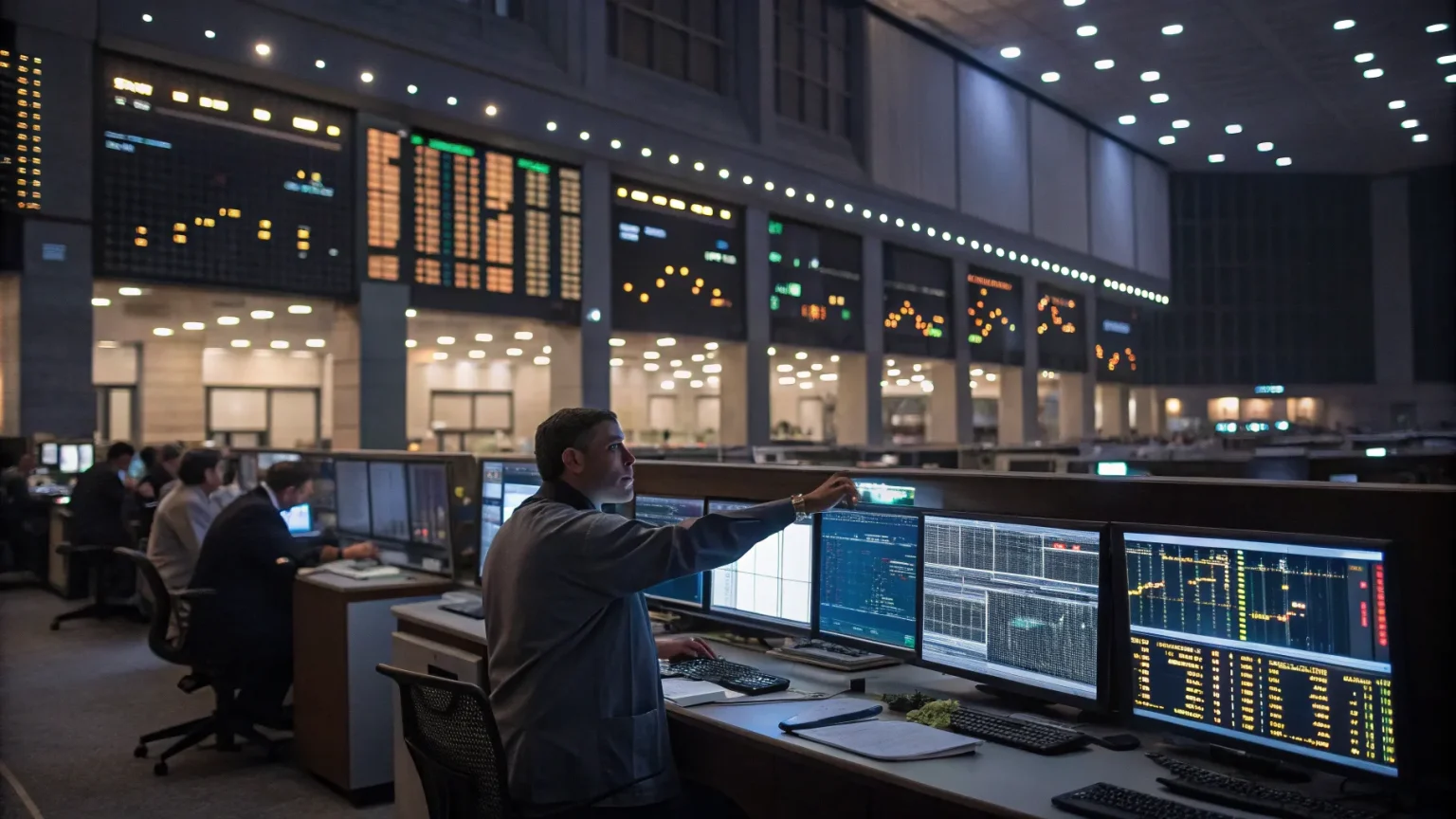
Several U.S. equities made sharp moves in after-hours trading, signaling an active stretch for investors reacting to late-breaking news and corporate updates. The shifts came after the closing bell, when liquidity is thinner and announcements can trigger fast price changes. Market participants watched for clues on earnings strength, executive guidance, and how investors may position at the next open.
These are the stocks posting the largest moves in extended trading.
Extended-hours activity often follows company releases, analyst revisions, or regulatory headlines. With fewer buyers and sellers, price swings can appear larger than during the regular session. For portfolio managers and retail traders, these periods can preview the tone of the market at the next day’s open.
How After-Hours Trading Works
After-hours trading begins once the major exchanges close. Orders are matched on electronic networks that do not require a traditional market maker. Volume is lighter, spreads can be wider, and prices may gap up or down quickly. That structure can reward speed but raises risk for investors without clear information.
Corporate news often hits minutes after the bell to give investors time to digest results before the next session. Companies issue earnings, update guidance, or disclose leadership changes. Traders respond in real time, setting early expectations for the next day’s open.
What Drives Big Moves
Large after-hours moves usually trace back to a simple set of catalysts. The most common is earnings that beat or miss expectations. Guidance for future quarters can be just as important, especially when management resets outlooks. Other sparks include regulatory updates, product launches, or unexpected macro headlines.
- Earnings surprises and forward guidance shifts
- Executive changes or strategic updates
- Regulatory actions, litigation, or approvals
- Analyst ratings changes or target revisions
- Large block trades that move thin markets
Even routine items can lead to jumps if a stock is heavily shorted or if expectations were stretched during the day. Conversely, a strong report might still lead to a drop if investors had priced in even better news.
Why It Matters for Investors
After-hours moves can foreshadow the next day’s trading, but they are not a guarantee. Prices may settle once more volume enters the market. For long-term investors, the most useful signal is often the substance behind the swing. A durable change in margins, cash flow, or demand is more meaningful than a knee-jerk reaction.
Short-term traders weigh liquidity, order type, and risk controls. Limit orders can help manage slippage. Wider spreads and less depth can lead to partial fills or unexpected price moves. Many investors wait for the opening auction to confirm direction.
Reading the Signals
Context matters. A company that beats on revenue but trims guidance may face pressure if the outlook suggests slower growth ahead. A beat on earnings driven by one-time items can also mislead. Conversely, a miss paired with strong bookings or a positive outlook can draw buyers who look past a single quarter.
Sector trends can amplify moves. If a major industry peer posts strong results, sympathy buying may lift related names. The reverse can also occur, with weakness spreading across a group if guidance hints at softer demand.
What to Watch Next
Investors will look for confirmation at the open, when deeper liquidity tests the after-hours narrative. Conference calls and management commentary add detail that can change the story by morning. Analyst notes released before the bell often refine expectations and valuation views.
As earnings season unfolds, the pattern remains familiar: swift reaction in extended hours, followed by a fuller judgment in regular trading. Careful attention to underlying drivers—demand, pricing, costs, and capital plans—can help separate signal from noise.
For now, the largest after-hours movers set the tone for a busy next session, with investors balancing new information against valuations and risk. The first hour of trading will show whether tonight’s swings hold or fade as volume returns.


