

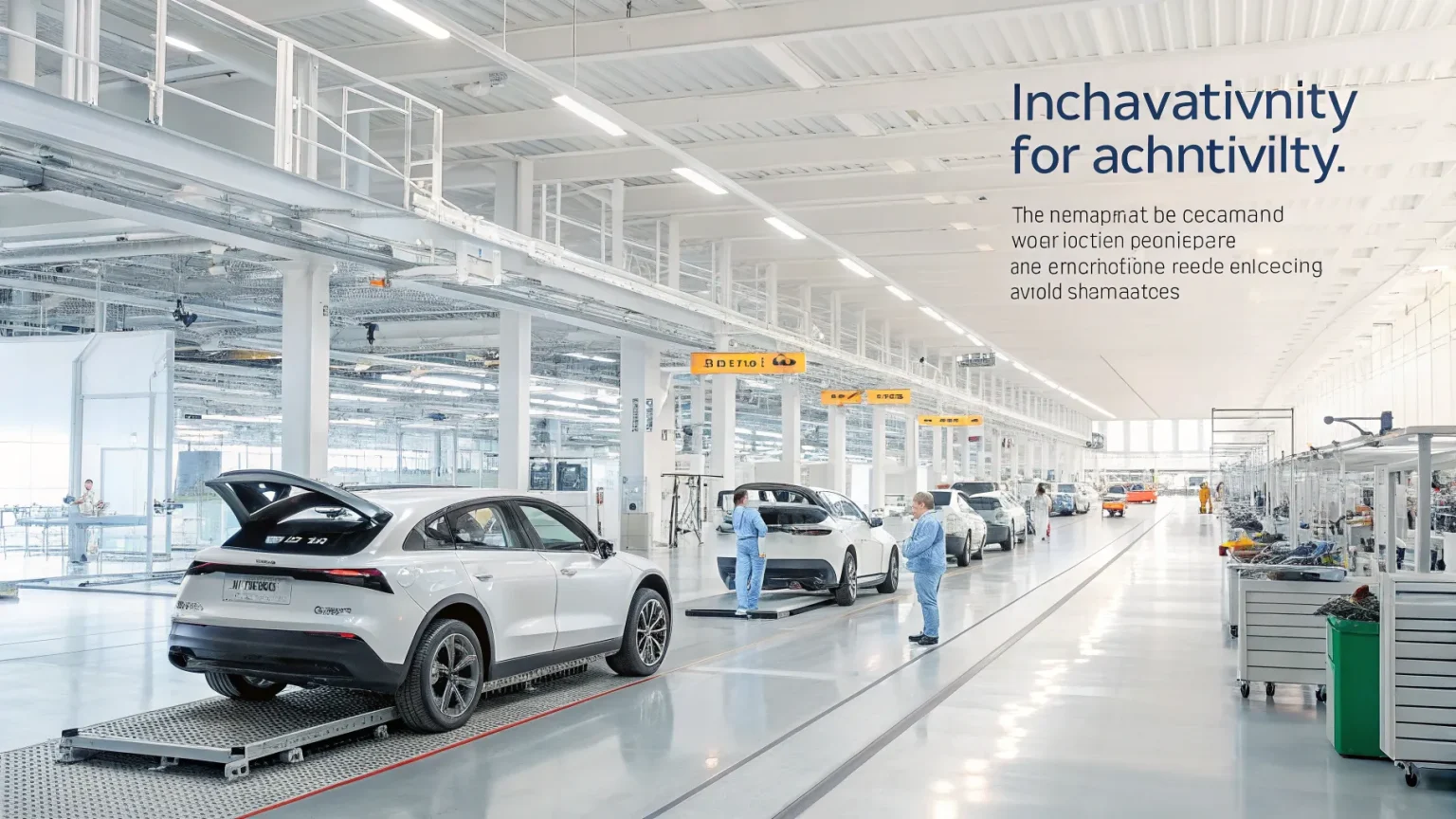
Stellantis said Friday it expects to take a roughly €22 billion ($26 billion) charge as it reshapes its business to speed the rollout of electric and hybrid vehicles. The move signals a faster turn in strategy by one of the world’s largest automakers as tighter emissions rules, changing consumer demand, and shifting technology costs pressure the industry. The company did not immediately provide a timetable for the charge, but framed the action as part of an overhaul to align products and factories with future demand.
“Stellantis said Friday it expects to take a roughly 22-billion-euro ($26 billion) [charge] as it overhauls its business to accelerate the rollout of electric and hybrid vehicles.”
Why It Matters Now
Automakers are navigating a complex transition from gasoline engines to electrified lineups. Europe is phasing in tougher CO2 targets through 2030, and the European Union has set a de facto end to new combustion car sales in 2035, with limited exceptions. In the United States, new pollution standards are tightening through the decade. These policies, along with state-level rules in places like California, are pushing companies to add battery-electric and hybrid models at scale.
At the same time, the market picture has shifted. Battery-electric sales growth cooled in North America during 2024 as charging access and pricing weighed on buyers, while demand for hybrids rose. In Europe, EV adoption remains higher, but incentives are waning in some countries and price competition has intensified. Companies are now recalibrating product plans, pricing, and factories to match what buyers are willing to pay today.
Background On Stellantis And Its Targets
Stellantis formed in 2021 through the merger of Fiat Chrysler Automobiles and PSA Group. It manages brands including Jeep, Ram, Peugeot, Fiat, Citroën, Opel, Alfa Romeo, and Maserati. Under its multi-year plan, the company has pushed new electric models on dedicated platforms and pursued joint ventures for batteries in Europe and North America.
The company has promoted goals to increase electrified sales through 2030 and has flagged several battery plants under development. It has also invested in software and in-house motor and battery technology to reduce costs. A large restructuring charge suggests management is adjusting capital spending, model timing, and manufacturing footprints to protect margins as the market mix shifts toward hybrids and more affordable EVs.
What The Charge Could Cover
The company did not break down the figure. In past industry overhauls, charges of this size have included write-downs of older technology, plant retooling, supplier settlements, and workforce costs. Such one-time expenses can clear the way for lower unit costs later, especially if factories are consolidated and new platforms are standardized.
- Retooling or repurposing plants for electrified platforms.
- Shifting product plans from pure EVs to hybrids where demand is stronger.
- Write-downs of inventory or legacy powertrain assets.
If executed well, these steps can shorten development cycles and help pricing. If misjudged, they can leave gaps in key segments or strain supplier networks.
Industry Comparisons And Competitive Pressure
Global rivals have faced similar choices. Several manufacturers slowed EV output in late 2024, moved resources to hybrids, and sought cost cuts with suppliers. Others pressed ahead with low-cost EVs to defend share in China and Europe, where price competition has been intense. Stellantis must balance both paths: expand hybrids to meet near-term demand while hitting emissions targets and preparing for a second wave of lower-cost EVs later in the decade.
The company’s strength lies in regional breadth and a wide brand set, but that also adds complexity. Differing rules across the EU, U.S., and emerging markets require flexible platforms and careful pricing. A large charge suggests management is trying to simplify and scale common components, which can lower costs across brands.
Implications For Workers, Suppliers, And Buyers
Restructuring can reshape jobs and vendor contracts. Suppliers tied to engines and transmissions may face reduced volumes, while those in batteries, power electronics, and software could see growth. For workers, plant retooling may require retraining and temporary production pauses.
For buyers, the near-term effect could be mixed. More hybrids may arrive sooner, offering better fuel economy at lower prices than many EVs today. Pure EV prices could continue to ease as costs fall and new models launch on shared architectures. Charging access and reliability will remain key for mass adoption.
What To Watch Next
Investors and analysts will look for details on the timing of the charge, targeted savings, and model milestones. Signals to watch include updated capital spending plans, factory assignments for new platforms, and battery partnership terms. Pricing discipline in North America and Europe will also be critical as inventories normalize and incentives shift.
Stellantis’ decision marks a forceful step to reset costs and product timing for an electrified decade. The scale of the charge highlights the price of transition, but also the potential payoff if the company can deliver hybrids and EVs that meet customer needs at sustainable margins. The next briefing on product launches, plant retooling, and savings targets will show how quickly this overhaul turns into market gains.


