

Stellantis plans to invest $13 billion in U.S. manufacturing in a bid to blunt the impact of new tariffs under President Donald Trump. The company projects the tariffs could cost it $1.7 billion per year. The move signals a rapid shift in strategy for one of the world’s largest automakers, with new spending aimed at factories, supply chains, and jobs in the United States.
The investment comes as executives weigh the risk of higher costs for imported parts and vehicles. It also arrives during a tense moment for the auto sector, which relies on complex global networks to build cars and trucks. By steering more production and sourcing to the U.S., Stellantis is trying to protect margins and keep prices stable for buyers.
Why Stellantis Is Moving Now
Tariffs raise the cost of imported parts, steel, electronics, and finished vehicles. For automakers, those costs can stack up fast. Stellantis, formed in 2021 from the merger of Fiat Chrysler and PSA Group, has deep footprints in North America and Europe. It builds Jeep, Ram, Chrysler, Dodge, and several European brands.
Company planners face a simple choice: pay higher import costs or shift work nearer to where cars are sold. The $13 billion plan suggests Stellantis wants to localize production and supply. That approach can reduce tariff exposure and cut shipping times.
Automaker Stellantis plans $13 billion domestic manufacturing investment to counter President Donald Trump’s tariffs that could cost the company $1.7 billion annually.
What $13 Billion Could Mean On The Ground
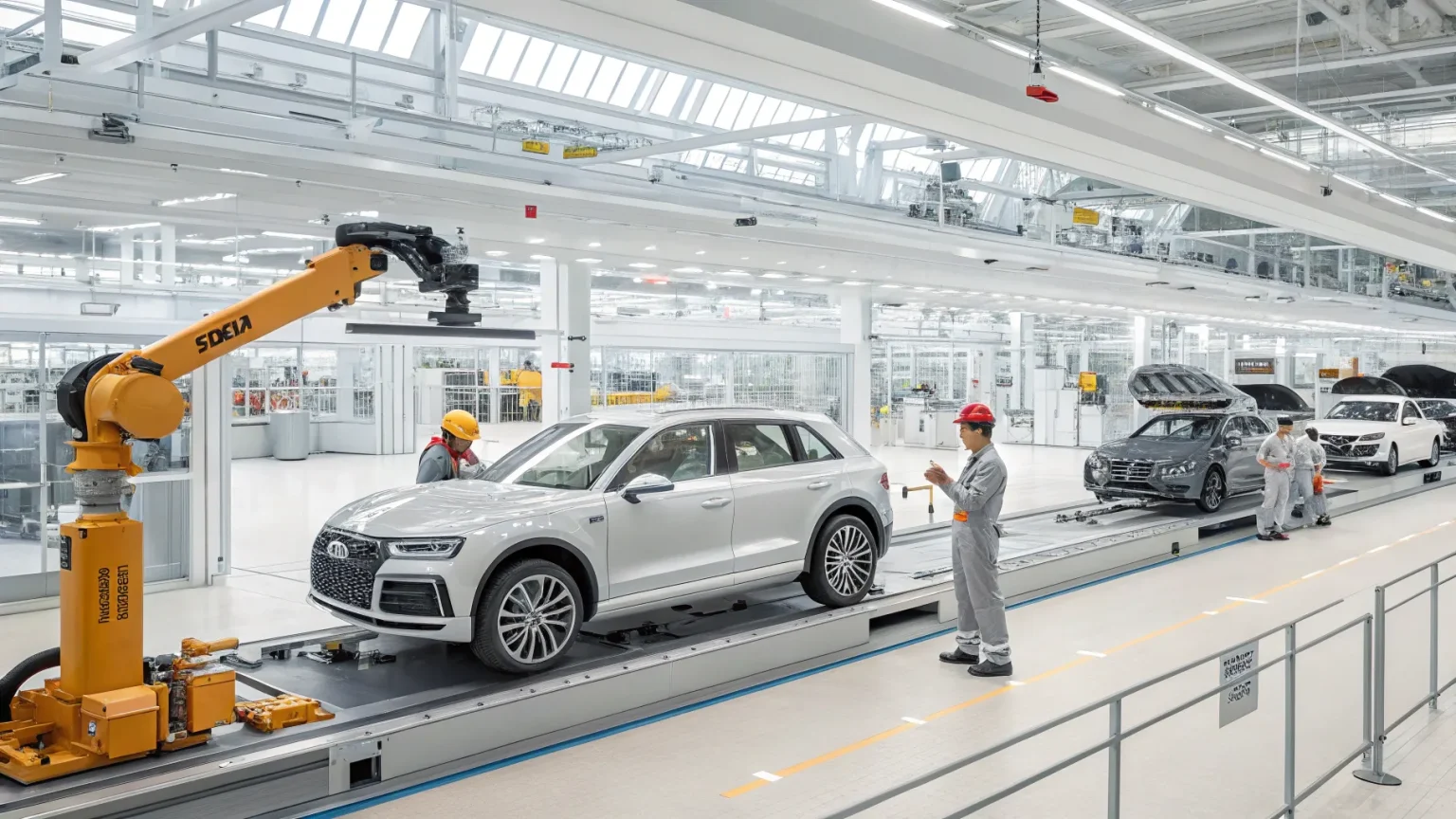
The company did not release a project list. But this level of spending can support factory upgrades, new lines, and supplier parks. It can also back up training and technology for next-generation vehicles.
- Modernizing existing plants to increase capacity and flexibility.
- Adding U.S.-based suppliers for key parts and electronics.
- Reconfiguring logistics to shorten supply routes.
- Preparing for more electrified models and components.
Local suppliers would likely see more orders. That could lift regions with large auto hubs in the Midwest and South. If the company shifts component sourcing to the U.S., smaller manufacturers may add shifts and expand.
Tariffs, Prices, And The Consumer Question
Tariffs are paid by importers at the border and often pass through to buyers. In autos, even small cost increases can add hundreds of dollars to a vehicle. Stellantis’ estimate of a $1.7 billion yearly hit suggests a serious threat to its pricing plans.
Analysts warn that broad tariffs can push up sticker prices and slow sales. That risk is highest for models with many imported parts. Domestic investment can help, but it takes time to retool factories and train workers. The near-term pressure on costs may remain even as projects ramp up.
Labor, Jobs, And Regional Impact
Large manufacturing investments often come with hiring. U.S. auto workers and unions will watch closely for new jobs and commitments. Wage and scheduling terms will matter if Stellantis expands or reopens lines in union facilities.
State and local governments may compete for funds with tax incentives and infrastructure support. Regions with existing Stellantis plants could have an edge, given available talent and supplier bases. Training programs tied to advanced manufacturing will be key to meeting demand.
Competition And Industry Strategy
Rivals face the same tariff pressure. General Motors, Ford, Toyota, and others will review sourcing and pricing strategies. Companies that can shift production quickly may cushion the blow. Those that rely heavily on imports risk margin hits or price hikes.
The long-term trend points to more localization. Automakers already moved to secure battery materials, chips, and software talent closer to home after recent supply shocks. Tariffs add another push in that direction.
What To Watch Next
Details on project locations, timelines, and job counts will show how fast Stellantis can pivot. The pace of regulatory action on tariffs and any carve-outs for specific parts will also shape outcomes. Suppliers will need to decide whether to expand near Stellantis facilities to win new business.
For now, the company is signaling that higher trade barriers will meet a large domestic build-out rather than higher prices alone. The balance between cost control and affordability will guide the next phase of U.S. auto manufacturing.
Stellantis’ plan sets up a high-stakes test: Can a major automaker absorb tariff pressures by spending big at home, while keeping vehicles within reach for American buyers? The answer will influence jobs, prices, and the shape of the industry in the years ahead.


