

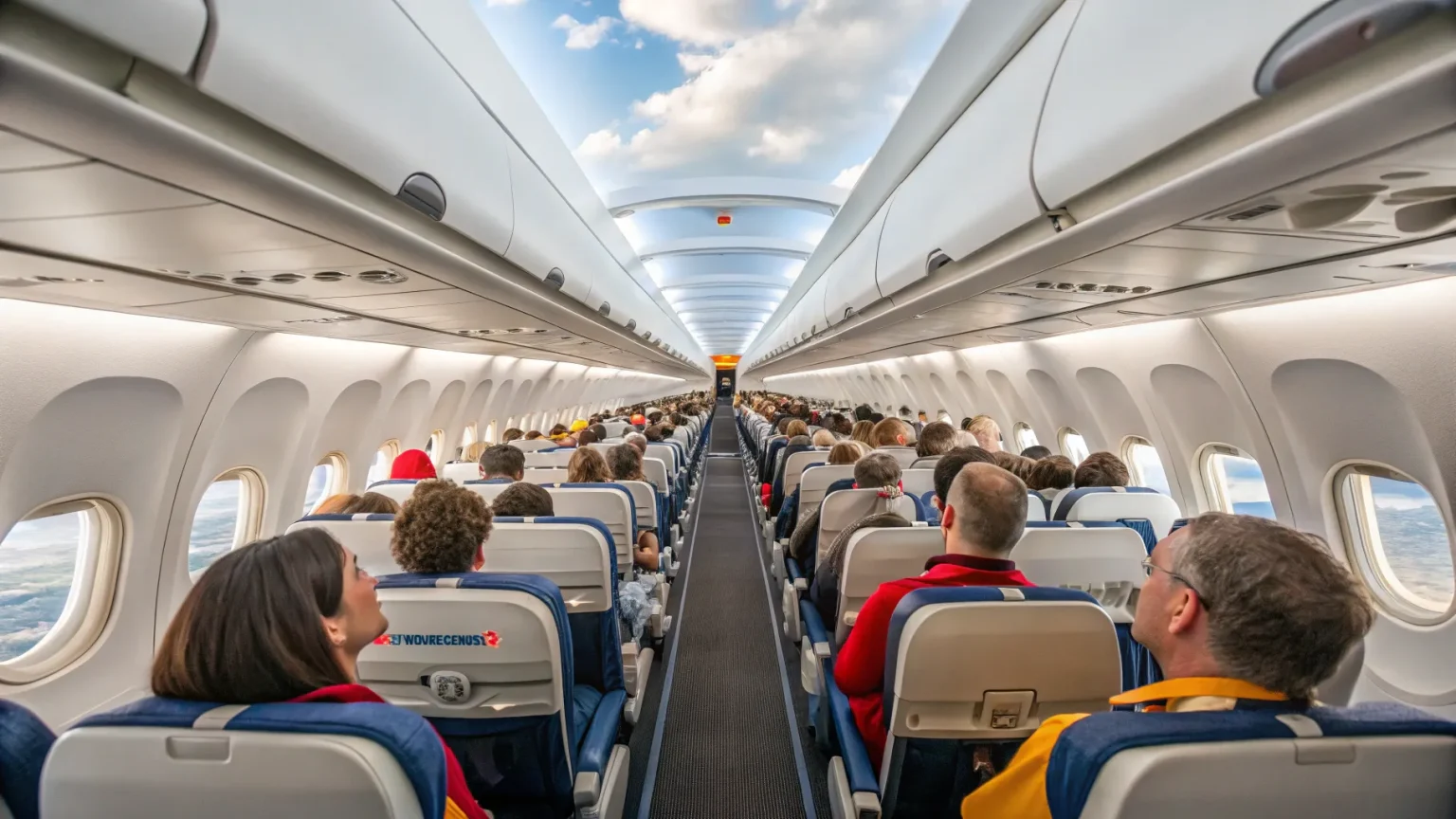
Southwest Airlines ended open seating on Tuesday, closing a signature practice that defined the carrier for five decades and signaling a major shift for U.S. air travel. The change affects millions of flyers across the country and raises questions about boarding speed, family seating, and potential new fees. The move marks a practical turn for an airline long known for simple fares and quick turns at the gate.
Southwest’s five-decade-long era of open seating ended on Tuesday.
How Open Seating Worked
For years, Southwest boarded travelers in groups and positions rather than assigning seats. Customers checked in and received a place in line, then chose any open seat once on board. The method was designed to keep aircraft turns fast and reduce complexity in reservations.
Many customers liked the freedom to pick a favored seat if they checked in early. Others found the process stressful, especially when traveling with children or in larger groups. The boarding ritual became part of the airline’s identity, for better and for worse.
Why The Policy Shift Matters
The end of open seating could change how Southwest operates and how it earns money. Assigned seating often allows airlines to sell preferred seats, exit rows, or extra-legroom options. That can boost revenue without adding flights.
Operational effects are also in focus. Southwest has long prized quick aircraft turns. Assigned seating can help reduce aisle congestion if boarding is managed well. It can also slow the process if customers search for their seat or if carry-on space fills early. The outcome depends on details the carrier adopts, such as boarding order and family seating rules.
What Travelers Want To Know
Frequent flyers and casual travelers have a common set of questions. They want clarity on how the airline will handle families, fees, and loyalty benefits in an assigned-seat world.
- Will families with young children be seated together without extra cost?
- Will certain seats cost more, and how will prices be set?
- How will elite status or fare class shape seat selection priority?
- Will boarding times change, and will on-time performance improve?
- How will customer service handle seat changes during irregular operations?
The answers will determine whether longtime customers view the shift as an upgrade or a loss of a quirky advantage. Clear communication and reliable tools in the app and at the gate will be essential.
Industry Context And Comparisons
Most large U.S. carriers use assigned seating. They typically offer a mix of free standard seats and paid upgrades. Many also guarantee family seating for children under a certain age. Those practices offer a roadmap for what Southwest could implement, though its single-cabin model makes the details important.
Consumer advocates have urged airlines to keep families together without extra charges. Travelers also expect transparency on seat maps, especially when equipment changes or when flights are oversold. On the airline side, executives often point to ancillary seat revenue as a key source of stability when fuel costs rise.
Southwest’s network strategy and tight schedules have long relied on efficient turns. If assigned seating reduces seat hunting in the aisle, it could help. If it prompts more bag shuffling or last-minute swaps, it could hurt. Execution will matter.
Customer Experience And Operations
Technology will carry a lot of the load. Accurate seat maps, proactive re-seating during delays, and clear alerts can keep small issues from escalating at the gate. Gate agents will need training and flexibility to resolve conflicts quickly.
For travelers, the change will reshape familiar habits. Checking in early may matter less if seat selection happens at booking. Early boarding products may shift from line position to seat type. Families and groups will watch closely to see if assigned seats reduce anxiety.
What To Watch
Early flights under the new system will offer clues. Key metrics include average boarding time, customer satisfaction, seat upgrade sales, and mishandled seating incidents. Feedback from flight crews and gate agents will help refine procedures.
The shift ends a long chapter for Southwest and opens a new one built around seat assignments. Success will depend on clear rules, fair treatment for families, and reliable technology. Travelers will judge the change by whether boarding feels calmer and arrivals stay on time.
For now, one fact stands out: a defining airline habit is gone. What replaces it—and how well it works—will shape the carrier’s next decade.


