

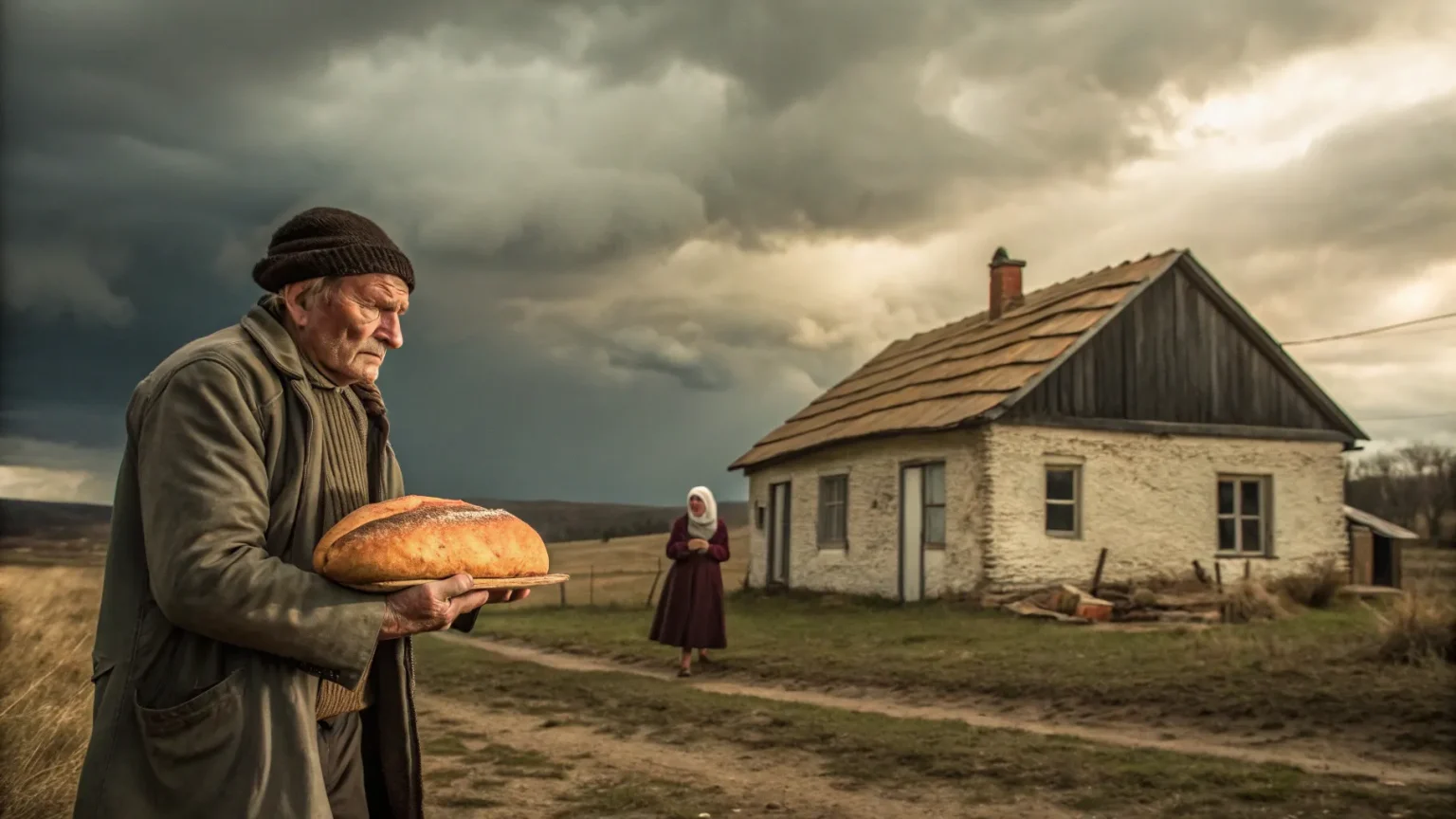
I grew up with stories of lack. My great-grandfather came to America with honey bread because it wouldn’t spoil. He couldn’t speak English. He was so cross-eyed that it’s a miracle he navigated that journey at all. He left his pregnant wife behind to find a way to feed the family. He planned to mine coal, but fate had other plans.
Right after he arrived, disaster struck. The mines went dark. He ended up herding goats in Utah, living in a tent for seven winters. That kind of hardship rewires a family. It installs scarcity as a default setting. It becomes the script you hand down.
“Scarcity becomes a learned behavior and it gets passed down like folklore.”
Here’s my stance: scarcity is a story, not a law of nature. It served my ancestors when survival was on the line. But when that story runs my money, my choices, and my relationships, it turns into a cage. It’s time to retire it and write a better one.
The Folklore That Raised Me
The family rules were clear: hold tight, spend little, trust no one with your money. I heard lines like these for years:
“You got to hold on to what you got. You got to take what you can.”
Fear always feels wise. It sounds like protection. But unchecked, it stops growth. It punishes risk. It delays dreams until they expire.
“You never want to spend any money because you don’t know when water’s going to be $15.”
I laughed when I paid $15 for water at LAX. That warning came true. But it’s a poor guide for a life. Preparing for every worst-case scenario is not the same as building a future.

What Scarcity Costs Us
When you let fear lead, you default to hoarding. You stash cash in the name of safety. You underinvest in yourself. You ignore opportunities because they look uncertain. Everything looks uncertain when you are trained to see threat first.
That mindset came from love. It came from parents and grandparents who endured cold tents and grief. But their survival playbook is not a wealth playbook. Survival asks, “How do I make it through the month?” Wealth asks, “How do I create value that outlives me?”
I coach business owners. I’ve seen the toll of scarcity firsthand. It shows up as cash sitting idle, ideas shelved, and teams starved of resources. It shows up as sleepless nights and stalled growth. And it hides under the banner of “being responsible.”
A Better Story Than Fear
We don’t fix scarcity with slogans. We replace it with systems and choices that honor risk, reward, and stewardship. That starts with confronting our inherited rules and testing them against reality.
- Separate prudence from paranoia: calculate risk; don’t worship it.
- Invest in skills and relationships that increase earning power.
- Use cash flow, not crisis, to make decisions.
- Create guardrails: protections, not prisons.
- Fund your future first: automate saving and investing.
These steps are simple, not easy. They require a new identity. Not the orphan of hardship, but the author of outcomes. Money grows where confidence meets competence.
Answering the Pushback
Some will say, “Times are tough. Play it safe.” I hear that. Safety matters. But hoarding isn’t safety. It’s stalled energy. Markets reward value, not fear. If you put dollars to work in your strengths and serve real needs, you’re safer than burying cash and hoping prices stop rising.
Others argue that spending is wasteful. Waste is buying what you don’t value. Wise spending is different. It funds learning, health, trust, and time. Those are assets that compound.
Honor the Past, Don’t Repeat It
My great-grandfather did what he had to do. He slept in a tent so my family could eat. I honor that grit. But I refuse to let an old winter define a modern spring. Scarcity trained us to survive; it did not teach us to thrive.
We can choose a new default. We can create cash flow over fear flow. We can measure risk and still move. We can invest in people and ideas that matter. That’s not reckless. That’s responsible.
Here’s the call: question the rules you were handed. Test them with math, not myths. Build habits that make you freer each month. Take one step this week—fund your future, upgrade a skill, or launch the project you keep postponing.
Let’s retire the folklore of lack. Let’s write a story our grandchildren will want to repeat.


