

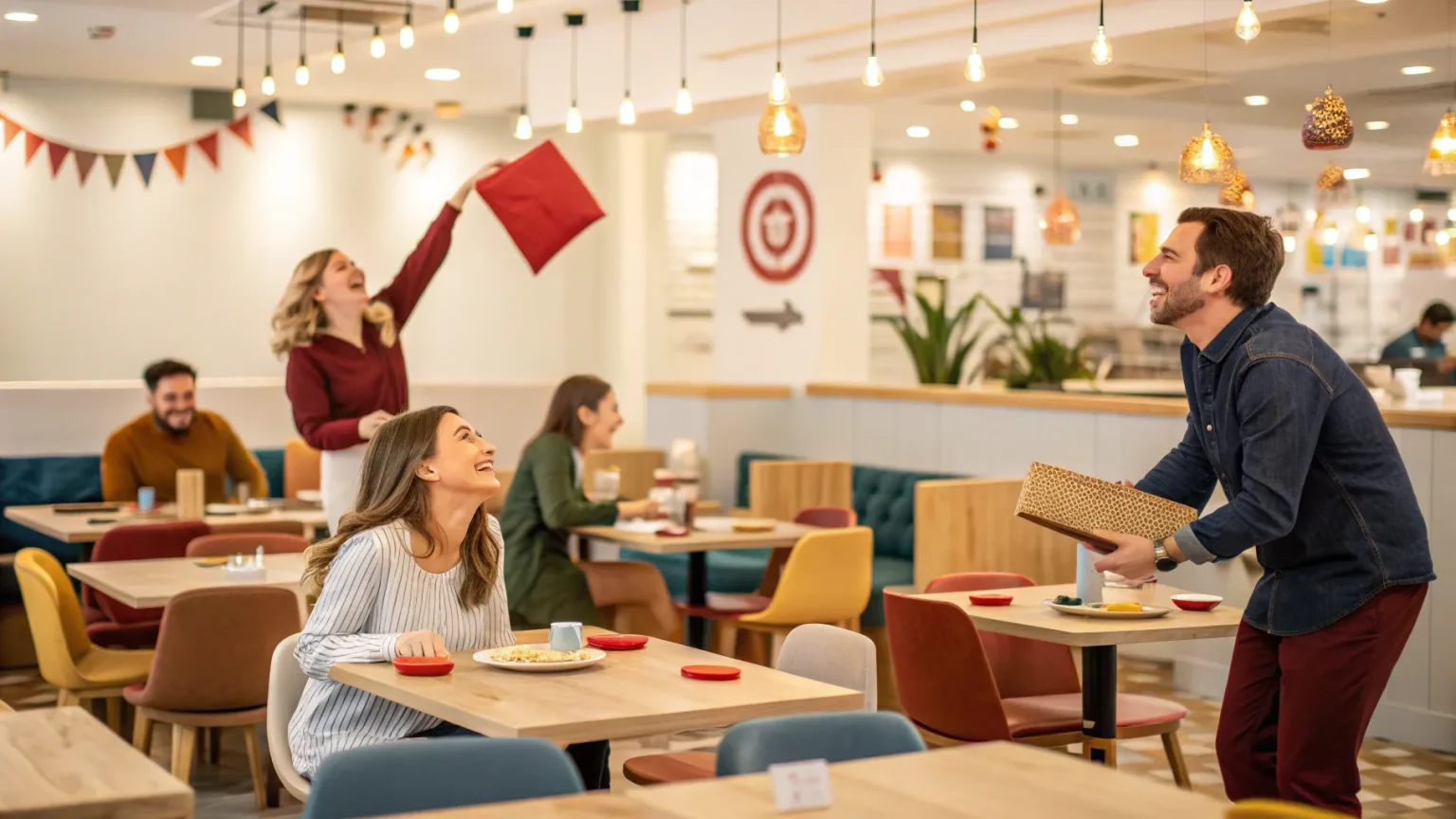
Across major cities, restaurants are turning dining rooms into playgrounds as adults record the fun for TikTok and Instagram. Operators say the goal is to drive foot traffic, extend visits, and earn free marketing at a time when attention is scarce.
From suburban malls to downtown corridors, the trend is visible in new openings and remodels. Games, bright set pieces, and photogenic corners are designed for short videos and selfies. The approach aims to win over groups seeking an easy night out that doubles as content.
Background: Dining Meets Entertainment
Experiential dining has cycled in and out of favor for years, from arcade bars to themed pop-ups. What is different now is the tight link to social media. A game wall or oversize prop can fill slow hours and spark a viral post. It also gives chains and independents something to promote beyond menu items.
During the recovery from pandemic slowdowns, many venues looked for ways to stand out. The rise of short-form video accelerated that push. Venues that offer playful moments often see guests linger, order one more round, and share footage with friends.
Eating establishments are getting games and whimsy—and adults film the fun for TikTok and the Gram.
What Guests Find Inside
Play features range from analog to high-tech. The point is to make social sharing easy and fun for groups. Venue design now includes lighting angles, bold colors, and clear backdrops that help videos pop on phone screens.
- Tabletop and lawn games like giant Jenga or ring toss.
- Mini challenges set on counters or at entryways.
- Photo spots with neon signs, murals, or themed props.
- Interactive screens or projection walls for casual play.
Staff often act as guides, suggesting photo angles or timing prompts around beverage service. Some restaurants add small prizes for game winners, which encourages repeat visits and group reservations.
Why Operators Are Betting On Play
For owners, games are a way to spark word-of-mouth without heavy ad spend. A short clip can reach far more people than a standard promotion. Operators also point to higher dwell time per table and more group orders, especially for shareable snacks and cocktails.
There are trade-offs. Games and props take space that might otherwise hold seats. Noise levels can rise, which may deter guests seeking a quiet meal. Staff need training to manage crowds and keep play areas safe. Insurance and maintenance also factor into budgets.
Voices From the Floor
Managers say the format works best when the experience supports the brand, not the other way around. A casual bar might lean on arcade cabinets and darts. A dessert shop may spotlight bright sets for photos. The key is consistency, so guests know what to expect and return with friends.
Some guests prefer traditional dining and avoid venues that feel like an amusement park. Others embrace the change as a simple, social way to catch up. The split shows why many operators keep zones: one end for games, the other for standard seating.
Business Impact and What’s Next
Early adopters report positive social engagement when they regularly refresh games and backdrops. Rotating themes around holidays or local events helps. So does coordinating with nearby businesses to create neighborhood crawls.
Analysts expect more hybrid models to appear, blending casual dining with light recreation. Operators are testing reservation slots that include game time, small cover charges that offset maintenance, and loyalty perks tied to posts or check-ins.
Communities are watching noise and late-night activity. Cities may look at permitting for large props or outdoor play zones. Clear house rules, monitored play, and accessibility planning will be important as the format spreads.
The takeaway is simple: diners want food, fun, and shareable moments in one stop. Restaurants that balance play with service and safety can gain an edge. The next test will be staying fresh as trends shift, while keeping the experience friendly for both quiet diners and those filming the night.


