

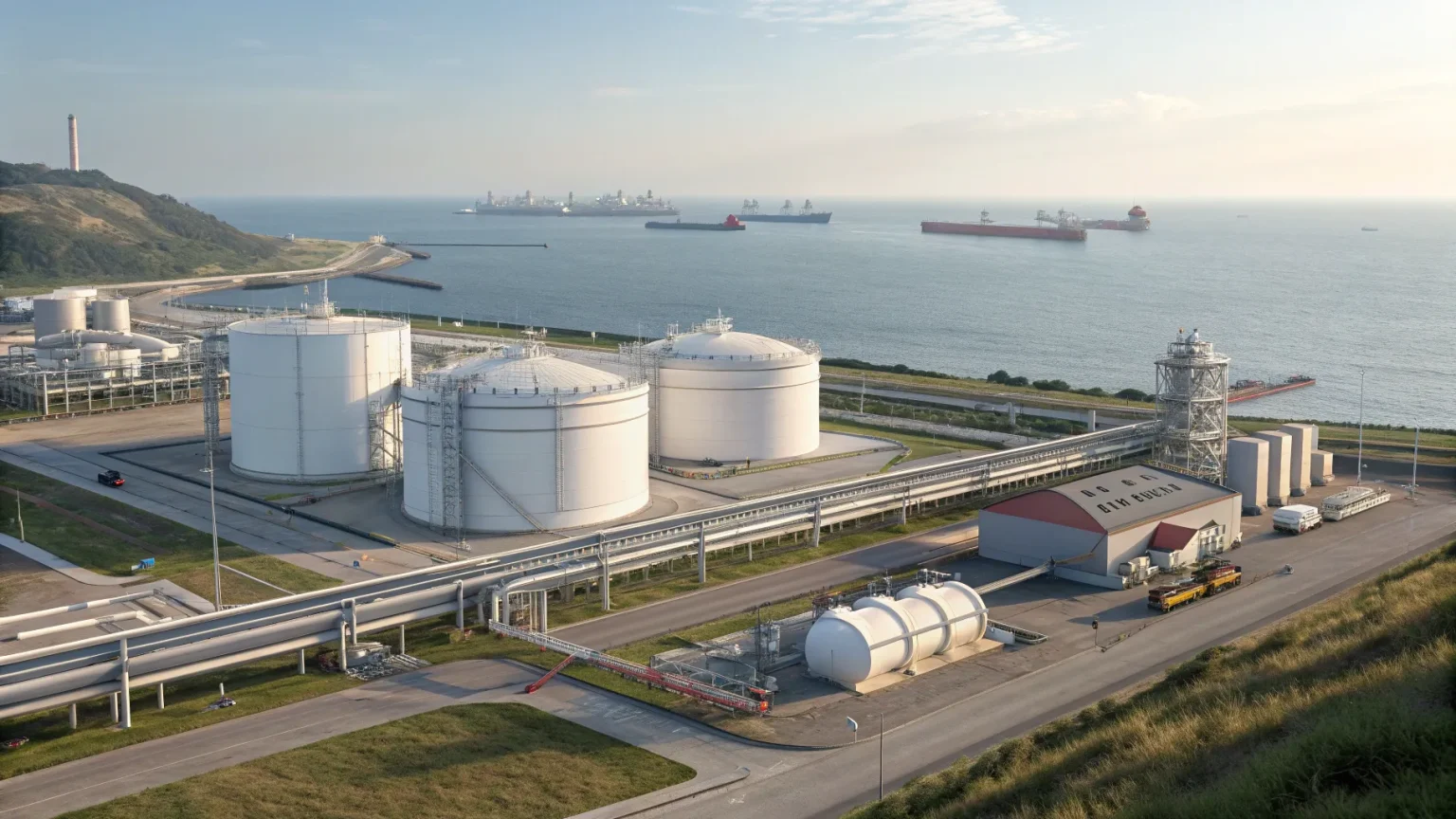
Puerto Rico’s energy regulators have given tentative approval to a contentious agreement with billionaire Wes Edens’ New Fortress Energy to supply liquefied natural gas to the territory, a move that could reshape how the island powers its grid while stirring a fresh round of debate over cost, reliability, and climate goals.
The decision, signaled this week, would allow New Fortress Energy to continue or expand deliveries of LNG to power stations serving the San Juan area. Regulators argued the deal could stabilize fuel costs and reduce outages. Critics warned it risks locking the island into fossil fuel dependence just as Puerto Rico is under mandate to ramp up clean energy.
Regulators in Puerto Rico tentatively approved a contentious deal with billionaire Wes Edens’ New Fortress Energy Inc. to supply liquefied natural gas to the US territory.
Background: A Fragile Grid Under Pressure
Puerto Rico’s electric system has struggled since Hurricane Maria devastated assets in 2017 and earthquakes in 2020 damaged key plants. Rolling outages, aging oil-fired generation, and long repair timelines have frustrated residents and businesses.
The Puerto Rico Electric Power Authority (PREPA) remains in bankruptcy proceedings, and a private operator, LUMA Energy, manages transmission and distribution. Fuel choices feed directly into rates, which are among the highest in the United States.
Under Act 17-2019, Puerto Rico is required to reach 40% renewable power by 2025 and 100% by 2050. Progress has lagged due to slow procurement, interconnection challenges, and supply chain delays. Natural gas has been pitched by some officials as a bridge fuel while utility-scale solar and battery projects come online.
What the Deal Would Cover
The tentative approval centers on LNG supply to San Juan-area generation units that were converted in recent years to burn natural gas instead of oil. Supporters say LNG produces fewer local air pollutants than fuel oil and can help reduce forced outages by improving unit performance.
Advocates for the agreement point to potential savings if LNG prices remain stable. They also argue that a consistent fuel supply is essential as hurricane season approaches each year.
- Potential short-term fuel cost relief for oil-to-gas converted units.
- Lower local air emissions compared with heavy fuel oil and diesel.
- Improved reliability for San Juan-area power plants.
Why It Stirs Debate
Environmental groups and some consumer advocates argue the plan conflicts with Puerto Rico’s renewable targets. They fear long-term fuel contracts could outlast the intended bridge period and delay clean energy buildout.
They also note that global LNG prices have been volatile since 2022, exposing ratepayers to swings that could offset any near-term savings. Supply disruptions or shipping constraints can quickly ripple through island grids that rely on imported fuels.
Public health advocates say LNG is cleaner than fuel oil but still emits carbon dioxide and methane across its supply chain. They want regulators to prioritize solar, wind, and batteries that have seen falling costs.
Regulatory and Legal Context
New Fortress Energy’s past operations near San Juan drew scrutiny from U.S. energy regulators, raising questions about permitting and federal oversight for LNG infrastructure. Company officials have said they are working within the regulatory framework and have sought approvals to align with federal and local rules.
Puerto Rico’s energy board often conditions fuel approvals on cost controls, transparency, and compatibility with the island’s renewable plan. Any final deal is expected to include compliance checks, public reporting, and limits on contract duration to avoid crowding out renewables.
Costs, Reliability, and Climate Targets
The core trade-off remains cost and reliability today versus the speed of the clean energy transition. Businesses want fewer outages and more predictable bills. Residents want cleaner air and lasting affordability.
Analysts say the most durable path pairs limited gas use with a fast buildout of solar and storage. That approach could reduce exposure to global fuel markets while keeping the grid stable during construction and interconnection of new projects.
Several utility-scale solar and battery projects are in various stages of contracting and development. Their timely delivery will influence how much LNG Puerto Rico needs and for how long.
What Comes Next
The tentative approval is not final. Regulators typically require public comments, additional cost data, and environmental reviews. Terms such as contract length, pricing formulas, and performance benchmarks could change before any binding agreement takes effect.
Key questions for the coming weeks include how the deal aligns with renewable procurement schedules, how risk is shared if LNG prices spike, and what milestones would trigger a scale-down of gas in favor of clean resources.
For now, the move signals a pragmatic attempt to keep lights on and bills steady. The final shape of the agreement—and its safeguards—will determine whether it supports Puerto Rico’s longer-term shift to clean energy or slows it. Watch for updated contract terms, regulatory conditions, and progress reports on solar and storage projects that could reduce the island’s dependence on imported fuels.


