

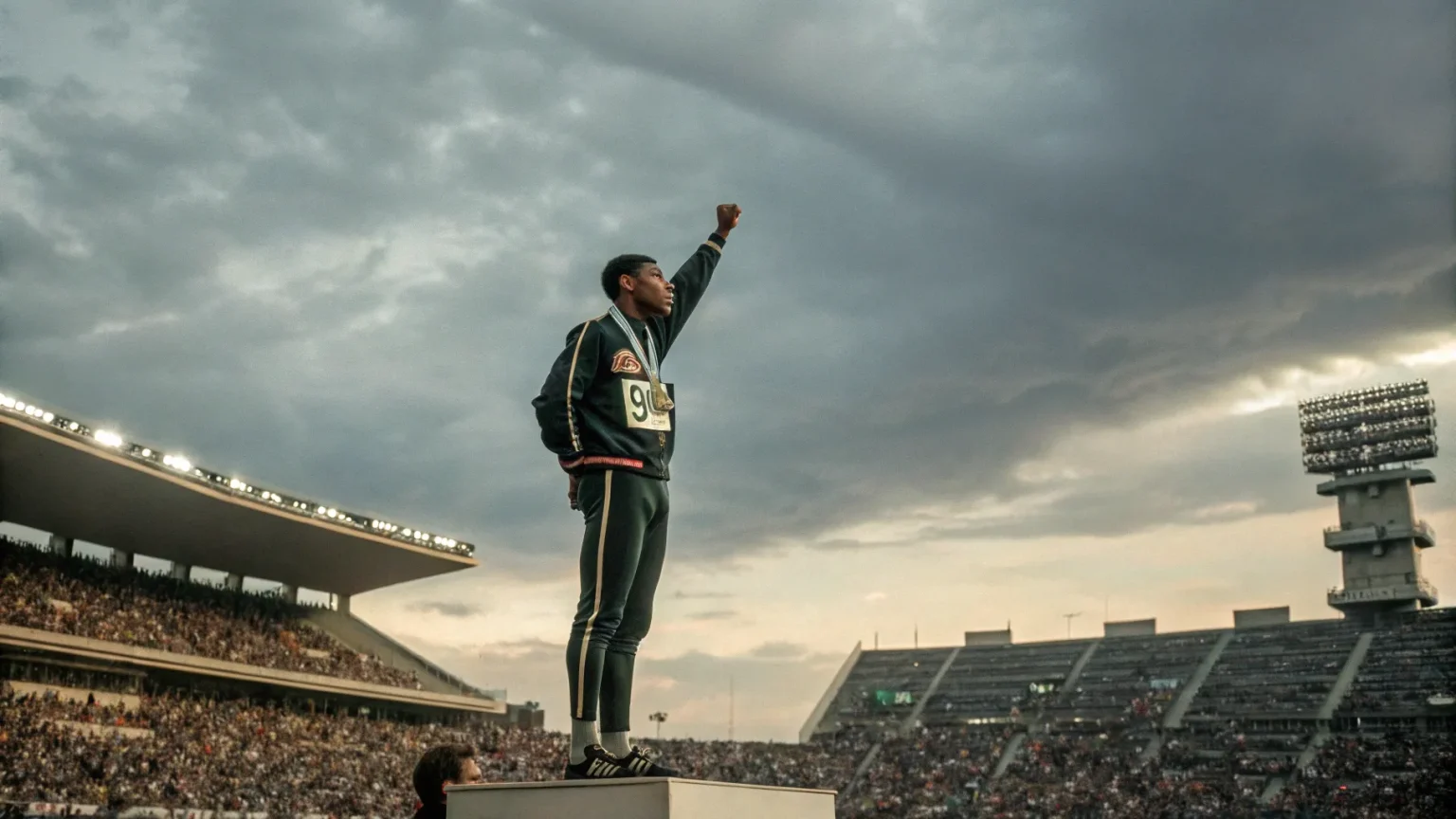
A celebrated Olympic champion is drawing a surge of anger online, raising questions about how fans treat elite athletes when success comes with visible flaws. As debate spreads across social media and sports talk shows, brand strategist Reid Litman of Ogilvy argues the athlete embodies a rare mix that unsettles people and draws them in at the same time.
The flare-up arrives as attention on international competition intensifies and sponsors fine-tune campaigns. While the athlete’s name is widely known, the conversation now centers on why a top performer is facing atypical hostility, and what that means for endorsements, media coverage, and mental health across elite sport.
Why “Excellence and Scars” Trigger Strong Reactions
Ogilvy’s Reid Litman sees a rare combination of “excellence and scars.”
Litman’s framing captures a tension that often defines modern sports fandom. People celebrate dominance but struggle when champions also show wounds—physical, emotional, or reputational. That duality humanizes a star who was once seen as untouchable.
Psychologists note that audiences often form rigid narratives around winners. When those narratives crack, reactions can swing hard. The athlete’s lapses or outspoken moments may feel like a betrayal to fans who embraced a polished image.
At the same time, many supporters say the vulnerability is what makes great athletes relatable. They see honesty about pressure and pain as part of a healthier sports culture.
The Long Shadow of Public Scrutiny
Olympic athletes have faced waves of criticism after missteps for years. Social media has amplified that trend by rewarding outrage and hot takes. A stumble or blunt remark now zips across feeds in minutes, often stripped of nuance.
Past episodes show a clear pattern: a viral clip, a rapid split between defenders and detractors, and a scramble by teams and sponsors to regain control of the story. The cycle can exhaust athletes who already operate under intense pressure to perform on command.
Coaches and former competitors argue that the bar for public behavior has grown even higher with every medal. Once an athlete becomes a standard-bearer, every comment, brand deal, and training decision gets weighed against a myth of perfection.
High Stakes for Sponsors and Media
For sponsors, an athlete who embodies “excellence and scars” is risky and valuable at once. The excellence justifies investment. The scars create a more complex story that can drive attention, but also backlash.
Brand managers watch for shifts in sentiment because campaigns can turn quickly if criticism snowballs. They often respond by reframing the athlete as resilient rather than flawless, spotlighting effort, accountability, and service to others. That strategy helps align public expectations with a more realistic image.
Media outlets, meanwhile, face their own tension. Audiences reward conflict, yet long-term trust depends on context and fairness. Some editors say the better course is to zoom out—covering performance, training, and community work alongside controversy.
Social Platforms as Force Multipliers
Online platforms spread both outrage and empathy. Short clips magnify errors, while longer interviews can restore balance. The mix produces volatile swings in public opinion that may not reflect in-person fan attitudes or viewership numbers.
Teams now train athletes in crisis response much as they train for competition. Quick, clear statements, consistent behavior, and a focus on performance often help steady the narrative. Silence can backfire if it leaves room for rumor.
- Own the mistake or clarify facts without defensiveness.
- Re-center attention on preparation and upcoming events.
- Engage with credible voices who provide context.
What to Watch Next
The next test is not a press conference but performance. Wins tend to quiet some critics, yet they do not erase the tension that Litman describes. The athlete’s appeal may grow stronger if they keep delivering while being honest about the weight they carry.
Fans and sponsors alike now prize authenticity. That does not mean perfection. It means consistency between words, deeds, and values over time. If that holds, the current anger could give way to a steadier, more nuanced respect.
For now, the story is a referendum on how the public treats greatness when it shows its scars. The athlete’s response, and the choices by brands and media, will shape whether this moment becomes a short-lived flashpoint or a lasting reset in how champions are seen.


