

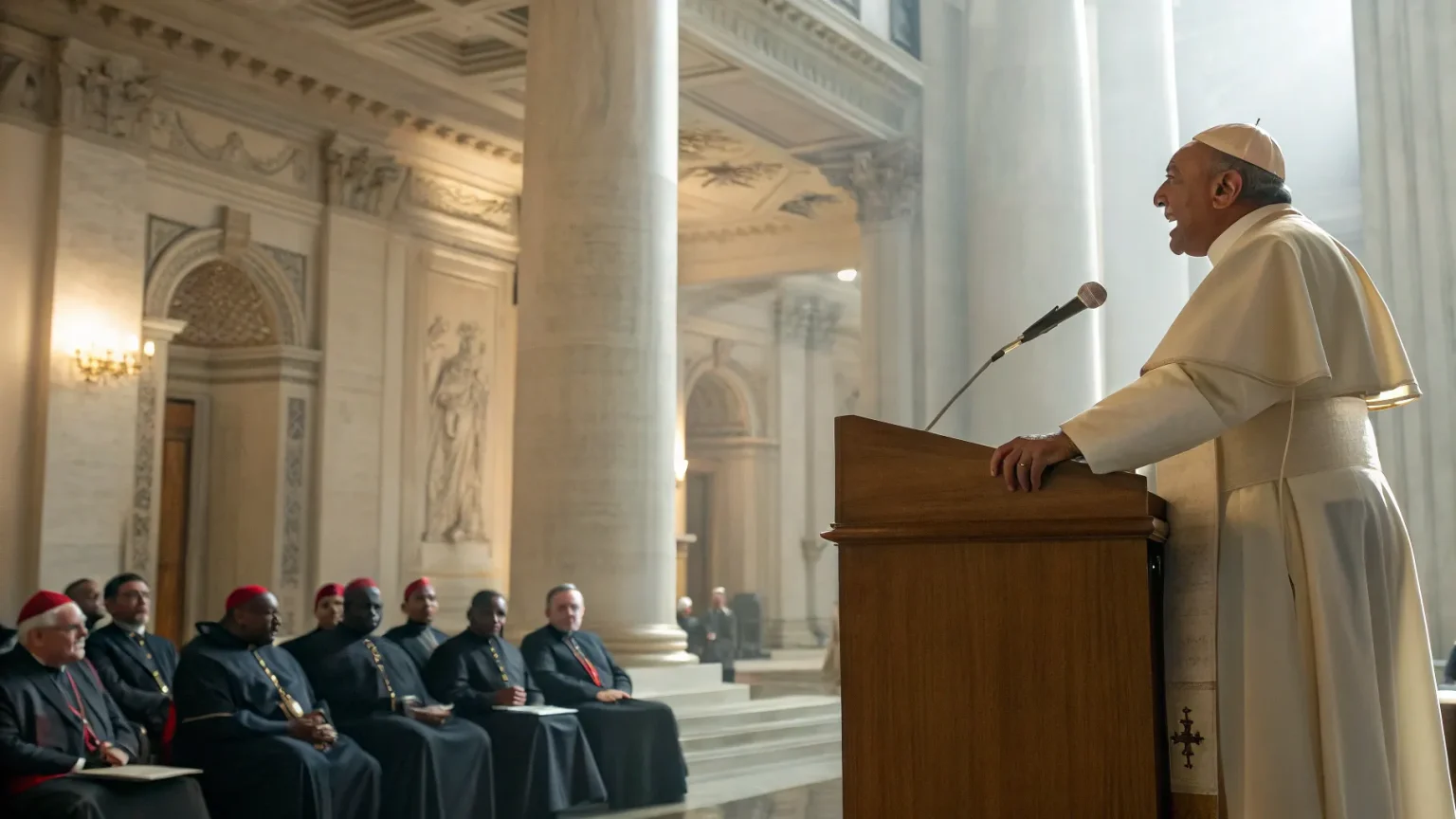
Pope Leo XIV pressed union leaders from Chicago on Thursday to stand up for immigrant workers and welcome minorities into their ranks during a meeting in Rome. The appeal came as the Trump administration steps up enforcement, adding urgency in a city with deep ties to organized labor and immigrant communities.
The pope met the delegation at the Vatican and called for labor leaders to protect vulnerable workers while respecting laws. He stressed inclusion as unions nationwide debate how to respond to tighter immigration actions that affect job sites and families in major U.S. cities.
Context: Enforcement Policies and Union Pressures
Immigration enforcement increased under the Trump administration, with more workplace checks and broader priorities for arrests. Those steps placed pressure on unions in industries that rely on immigrant labor, including construction, hospitality, and food processing. Chicago, with its long labor history, is no exception.
Union leaders often face a dual test. Members want job security and fair wages, while immigrant workers seek protection from exploitation and retaliation. The pope’s remarks addressed that tension by urging solidarity without ignoring national rules.
“While recognizing that appropriate policies are …”
The incomplete remark still captured the balance he sought: respect for regulations paired with a call to safeguard human dignity.
Calls for Inclusion Inside Unions
Pope Leo XIV urged unions to expand membership opportunities for minorities and new arrivals. He framed inclusion as a matter of basic fairness and workplace stability. Bringing more workers into the fold can reduce undercutting and wage theft that harm union and nonunion workers alike.
Several Chicago labor figures present at the meeting, according to people familiar with the delegation, expressed support for his message. They pointed to challenges in organizing workers who fear showing up at public meetings or filing grievances. They also raised concerns about employers using worker status to silence complaints.
Balancing Law, Workplaces, and Community
The pope did not endorse any single policy. Instead, he focused on practical steps unions can take to reduce harm while debates continue. Those steps include offering training on workplace rights, setting up confidential reporting channels, and coordinating with local groups that provide legal aid.
- Promote equal access to union membership and benefits.
- Provide know-your-rights education at job sites.
- Work with community clinics, churches, and legal services.
- Document wage theft and safety violations without exposing workers needlessly.
Union advocates say such moves can stabilize labor markets by reducing turnover and safety risks. Critics argue that strong enforcement preserves the rule of law and deters illegal hiring. The Vatican discussion acknowledged both views while urging care for workers caught in the middle.
Historical Roots and Present Stakes
Chicago unions have long organized immigrant workers, from early European arrivals to newer communities from Latin America, Asia, and Africa. Periods of strict enforcement and economic strain have often pushed workers into the shadows, making organizing harder and eroding labor standards.
The current moment echoes those patterns. Leaders worry that fear of deportation discourages workers from reporting injuries or wage abuses. That can drive down standards for everyone, including citizens and permanent residents. At the same time, some members worry that broader hiring pressures reduce job opportunities. The pope’s message sought common ground: healthier workplaces and lawful, fair hiring.
What To Watch Next
Union locals are likely to review outreach plans and member education after the Vatican meeting. They may expand ties with immigrant service groups and refine whistleblower protections. Faith leaders in Chicago could play a growing role, offering neutral spaces for trainings and mediation.
Policy shifts in Washington will remain a key factor. Any changes to enforcement priorities, work permits, or asylum rules would ripple through job sites. Unions will also watch local actions, including city policies on worker protections and cooperation with federal agencies.
The pope’s appeal was less about politics and more about duty. He asked labor leaders to protect people whose work keeps cities running, regardless of origin. For unions in Chicago, the path ahead will require careful steps: defend standards, follow the law, and keep doors open to those who build the economy from the ground up.


