

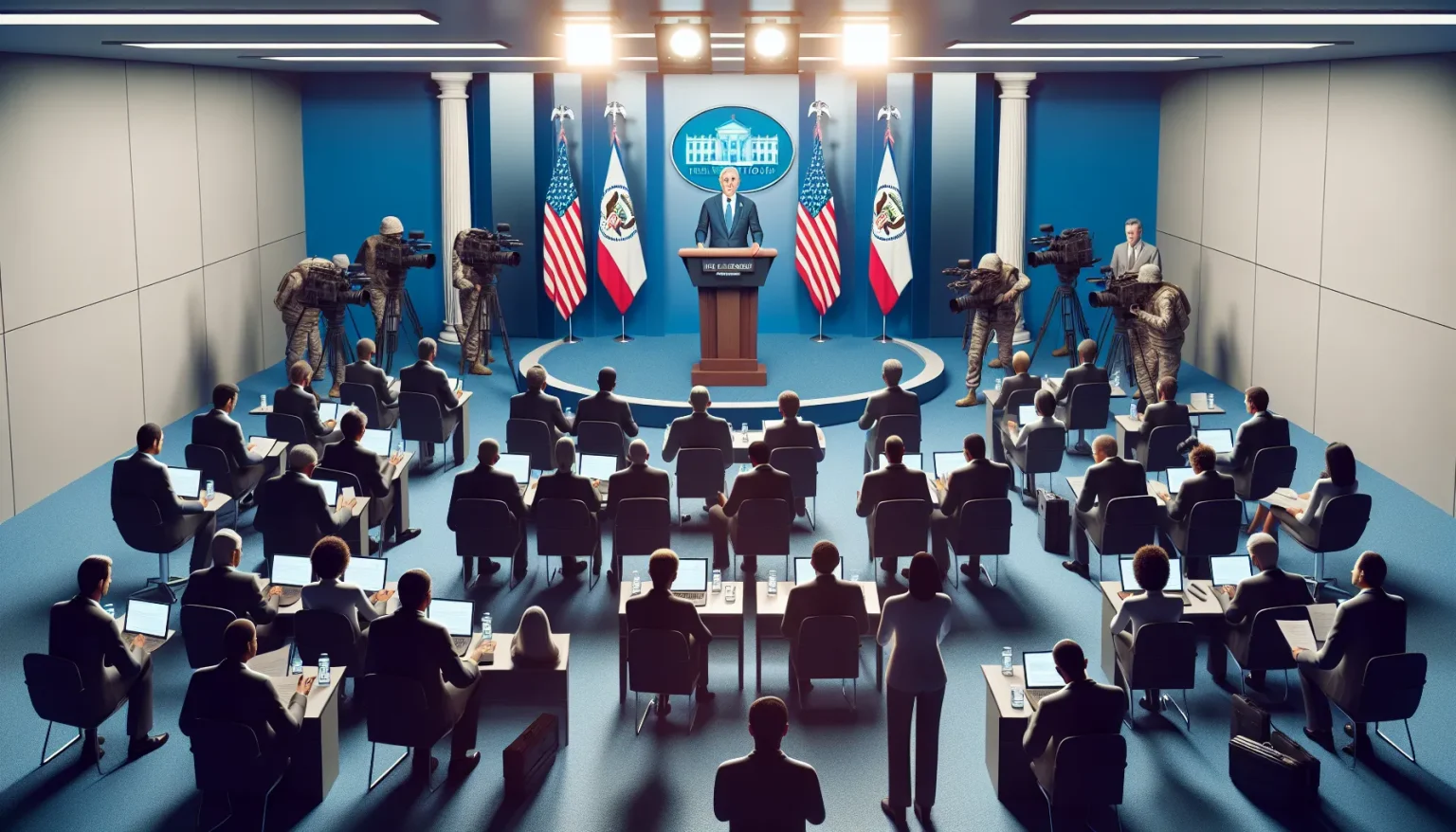
In a rare briefing that drew partisan media figures, Pentagon press secretary Kingsley Wilson fielded questions on Tuesday about possible U.S. military action if Venezuelan leader Nicolás Maduro were to flee his country. Former Rep. Matt Gaetz of Florida, now a host for One America News Network, pressed Wilson on the military’s role amid a pressure campaign by the Trump administration linked to alleged drug trafficking. The exchange highlighted the Pentagon’s messaging on counter-narcotics and raised fresh questions about how far U.S. plans extend in South America.
Unusual Access for Partisan Personalities
Tuesday’s briefing featured right-wing media figure Laura Loomer and Gaetz among the credentialed press. Their presence signaled a widening mix of voices in a setting that typically hosts traditional outlets. Gaetz, once floated for attorney general and a prominent ally of former President Donald Trump, was called on early in the session.
He sought clarity on whether the military had prepared for a sudden change in Caracas. His focus was on scenarios that could follow a potential departure by Maduro, who faces U.S. accusations related to drug trafficking. The question placed Venezuela squarely at the center of a briefing usually centered on global defense posture and routine updates.
Venezuela Question Dominates Early Exchange
Wilson kept the Pentagon’s options broad while centering on counter-narcotics missions. He stressed preparedness without detailing specific plans for Venezuela. His remarks aligned with long-standing policy to avoid telegraphing operations before they occur.
“The department has a contingency plan for everything,” Wilson said. “Our focus is taking out narco-terrorists … every single boat we strike is saving American lives.”
The framing suggested continuity in U.S. maritime interdiction efforts. It also implied that any future action would likely draw on existing authorities and missions against drug trafficking networks.
Background: Pressure on Caracas and U.S. Priorities
Washington has pressured the Maduro government for years, citing corruption and alleged ties to drug trafficking. The U.S. has relied on sanctions, indictments, and diplomatic isolation to squeeze Caracas. Counter-narcotics operations in the Caribbean and Eastern Pacific have been a recurring theme in Pentagon briefings and Coast Guard updates.
While the Pentagon avoids commenting on potential regime changes, the department often maintains flexible plans for regional instability. Wilson’s comments fit that pattern. He offered no timeline, troop numbers, or details on the triggers that might prompt a military role in Venezuela-related contingencies.
Signals From the Pentagon
Wilson’s emphasis on maritime interdiction reflects a focus on operations that the department can quantify. Seizures and interdictions are measures that defense officials often cite when discussing drug flows. By linking interdictions to “saving American lives,” Wilson grounded the mission in public safety terms rather than geopolitics alone.
That framing may resonate with a domestic audience wary of broader interventions. It also leaves space for the Pentagon to operate within counter-narcotics mandates without signaling a shift to large-scale involvement in Venezuela.
Multiple Viewpoints and Media Dynamics
Gaetz’s question underscored how partisan media figures can shape the focus of a briefing. By centering Venezuela, he steered the exchange from general defense updates to a contentious Latin American file. Loomer’s presence added to the unusual media mix and suggested new lines of questioning could surface in future sessions.
Wilson kept a steady tone. He neither confirmed nor denied specific Venezuela scenarios. Instead, he pointed to standing plans and a consistent mission set against drug networks.
What to Watch Next
- Whether Pentagon briefings continue to feature a broader range of media voices.
- Any rise in maritime interdictions linked to routes near Venezuela.
- Signals from U.S. officials on the threshold for military involvement.
Analysts will track whether pressure on Caracas increases and how that intersects with existing counter-narcotics efforts. Any public shift would likely appear first in briefings, statements, or deployment notices.
Tuesday’s exchange did not unveil a new doctrine. It did reveal a message: the Pentagon wants to talk about drug interdiction and flexibility, not detailed plans for Caracas. For now, the department’s stance remains steady—prepare for many outcomes while highlighting actions at sea that officials say save lives.


