

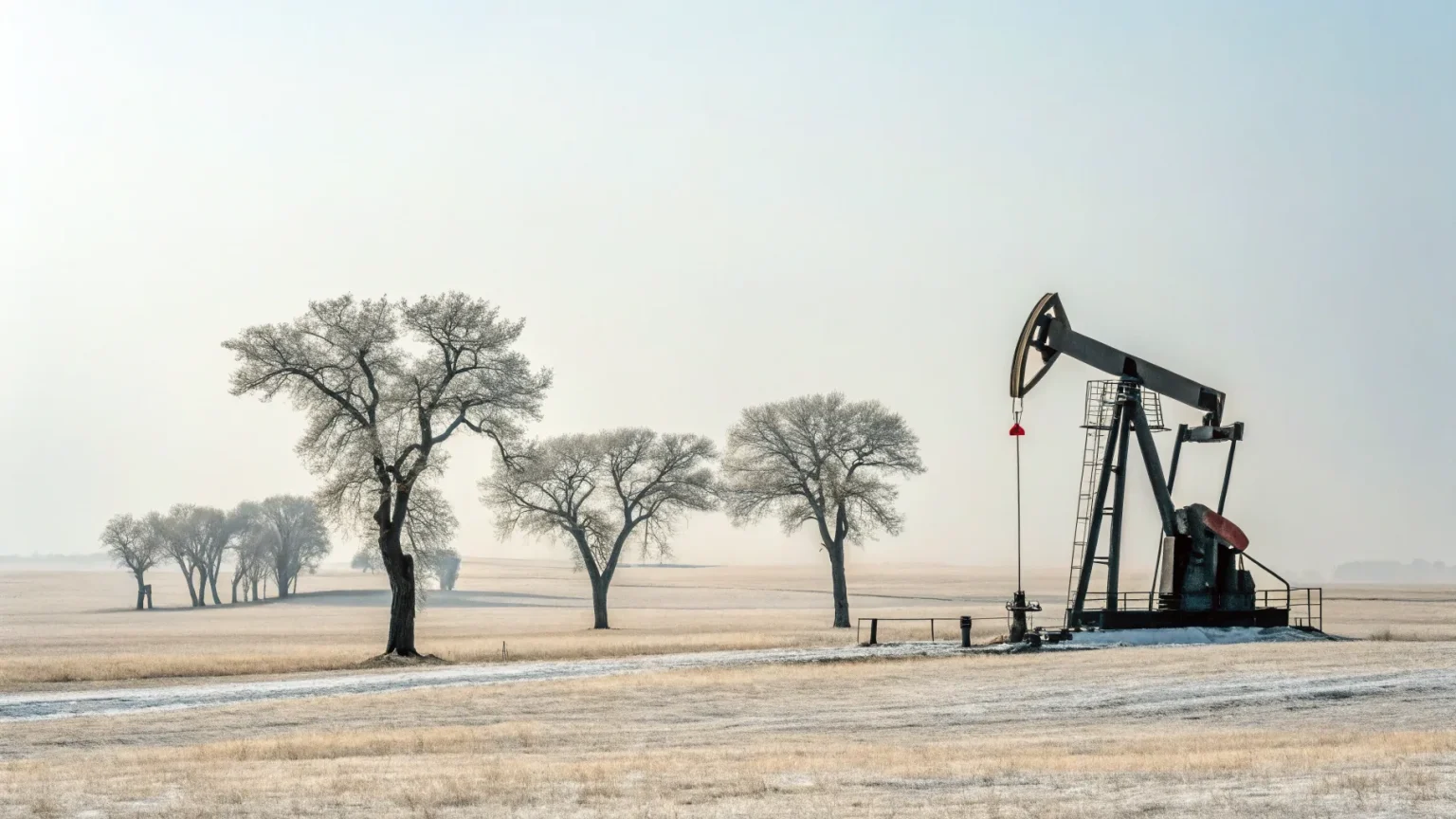
Oil prices have fallen more than 10% this year, reshaping debates on inflation, consumer spending, and energy policy across major economies. The pullback is pressuring producers while offering relief at fuel pumps. Traders point to softer demand signals and steady supply as the key drivers of the move.
“Oil prices have shed more than 10% this year.”
The decline comes as markets reassess global growth, OPEC+ production plans, and the strength of U.S. output. The shift is being felt from airline balance sheets to petro-state budgets. It also feeds into central banks’ inflation outlooks, which remain sensitive to energy costs.
How We Got Here
Oil markets have swung widely over the past few years. Prices crashed during the 2020 pandemic, then surged as demand rebounded and supply lagged. Russia’s invasion of Ukraine sent further shock waves through energy trade flows and spurred policy responses in Europe and the United States.
Since then, producers have tried to manage output to stabilize prices, while consumers faced higher costs for gasoline, diesel, and heating. The latest decline reflects a turn in that cycle. Demand growth shows signs of cooling, while supply has proven resilient.
What Is Driving The Drop
Traders cite a mix of supply, demand, and currency factors. U.S. production has stayed robust, and inventories are not signaling acute shortages. At the same time, demand indicators from major economies have softened.
- Softer demand growth in key markets, including parts of Asia and Europe
- Resilient non-OPEC supply, led by North America
- Periodic doubts about OPEC+ cohesion and future cuts
- A strong U.S. dollar, which can pressure commodity prices
Refining margins have also eased at times, suggesting less strain in downstream markets. Shipping flows are adapting to changed trade routes, and some supply disruptions have been shorter than feared.
Winners And Losers
Consumers benefit first. Lower crude tends to pull down retail fuel prices, leaving more disposable income. For airlines, trucking firms, and logistics companies, cheaper fuel can bolster margins and help stabilize fares and freight rates.
Energy-importing countries may see an improvement in trade balances, easing pressure on currencies. Lower energy bills can also temper headline inflation, giving central banks slightly more room to assess interest-rate paths.
For producers, the calculus is harder. National oil companies depend on revenue to fund budgets. Extended price weakness can force spending cuts or extra borrowing. Independent producers face tighter cash flow and may trim drilling plans if benchmark prices fall below break-even levels.
Industry And Policy Implications
OPEC+ faces a familiar question: whether to adjust output targets to support prices. Deeper or extended cuts could steady markets, but they also risk ceding market share to producers outside the group.
In the United States, stable output despite lower prices would test capital discipline. Producers have promised investors steady returns rather than rapid growth. If prices stay under pressure, companies may emphasize cost control, hedging, and selective drilling.
Governments will watch the impact on inflation and public finances. Some countries may rebuild strategic reserves while prices are lower. Others could ease fuel subsidies to reduce fiscal strain. Any renewed supply outage or geopolitical flare-up could quickly change the outlook.
What To Watch Next
Several indicators will guide the next move in prices. Weekly inventory data can show whether demand is holding. Refinery utilization and margins reveal pressure points in gasoline and diesel. Forward curves signal whether traders expect tighter or looser balances ahead.
China’s industrial activity, European manufacturing surveys, and U.S. consumer spending will shape demand expectations. On the supply side, the pace of rig activity in North America and compliance with OPEC+ targets will be key.
The year-to-date slide suggests a market searching for equilibrium after years of shocks. If demand weakens further, prices could face more pressure. If producers curtail output or growth steadies, the decline may slow. For now, consumers get a reprieve, while producers weigh their next steps. The balance between steady supply and cautious demand will define the path from here.


