

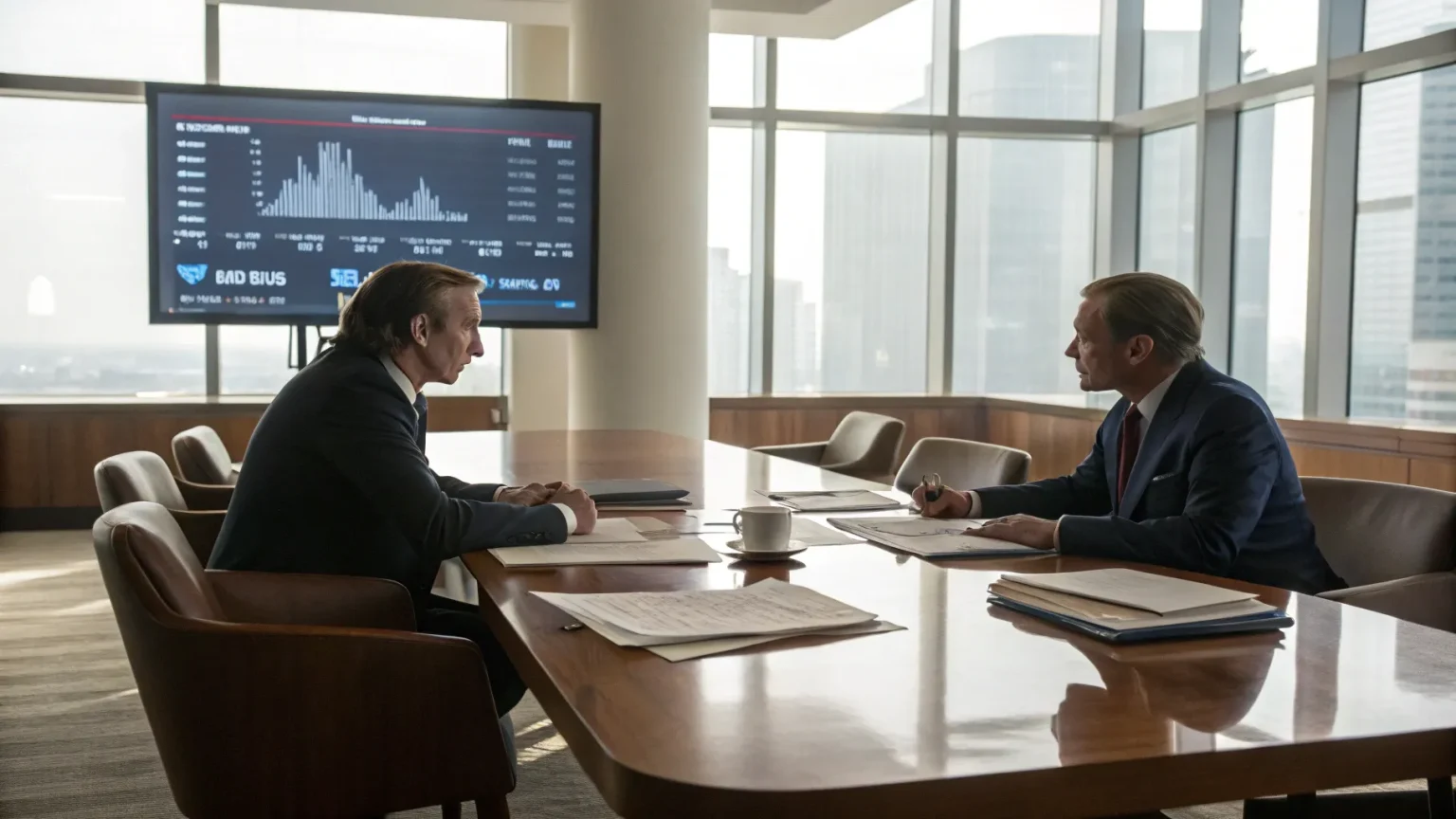
Netflix has submitted a mostly cash offer for Warner Bros., according to people familiar with the matter, escalating a contest that also includes fresh bids from Paramount and Comcast. The interest suggests a new phase in the streaming shakeout as major media groups seek scale, a larger content library, and steadier profits after years of heavy spending.
The potential deal would rank among the most closely watched moves in entertainment this year. It could reshape alliances across film, television, and streaming. Regulators would face another test over media consolidation. The companies involved did not comment on the reports.
What Is Being Offered
“Warner Bros. received a mostly cash offer from Netflix, according to reports. Paramount and Comcast also submitted new bids.”
The early signals point to a competitive process. A cash-heavy approach could appeal to shareholders seeking certainty in a volatile market. The competing interest from Paramount and Comcast shows traditional media is not ceding ground to a pure-play streamer without a fight.
Why Warner Bros. Is a Prize
Warner Bros. Discovery controls some of the most valuable entertainment assets. It owns HBO and the Max streaming service, Warner Bros. Pictures, DC Studios, and a deep television catalog. That mix offers franchises, prestige series, and live channels that can feed both streaming and traditional platforms.
- Blockbuster franchises and a large film library.
- Premium series from HBO and Warner Bros. Television.
- Global brands that support merchandising and licensing.
For a buyer, those assets could help cut churn, boost subscription growth, and expand licensing revenue. They also provide leverage in advertising and distribution deals.
Strategic Motives for Each Suitor
Netflix has long built its business on organic growth and disciplined spending. It has avoided large acquisitions. A move on Warner Bros. would mark a shift, signaling a push to lock up content at a time when rivals are bundling services and leaning on franchises. A cash bid suggests confidence in its balance sheet and cash generation.
Paramount brings its own library, including CBS and Paramount Pictures, plus the Paramount+ service and Pluto TV. A tie-up with Warner Bros. could create a stronger combined streaming slate and cost savings across marketing and technology. It could also stabilize film output and bolster sports and news portfolios.
Comcast, the owner of NBCUniversal and Peacock, has sought to scale Peacock and strengthen its studio pipeline. Adding Warner Bros. content would help fill release calendars, deepen catalog depth for Peacock, and add power to international distribution through existing Comcast infrastructure.
Regulatory Hurdles and Timing
Any deal for Warner Bros. would face intense antitrust scrutiny in the United States and abroad. Regulators have questioned past media mergers on grounds of consumer choice and pricing. The review could examine control of premium series, movie windows, and advertising influence.
Integration would be complex. Buyers would need to navigate overlapping studios, streaming platforms, and licensing contracts. They would also need to manage debt and possible divestitures to win approval. Analysts say long review timelines and potential conditions could affect price and structure.
Industry Impact and What Could Change
If Netflix prevailed, it would gain a major studio and a premium TV brand. That could shift the balance in streaming, where Netflix already leads in subscribers. It could also reduce the number of major bidders for sports rights and top talent, affecting prices across the sector.
If Paramount or Comcast won, traditional media would regain ground against Netflix and Amazon. A stronger studio and streaming bundle could slow subscriber losses and improve ad sales. It could also spur rival deals as others scramble to match scale.
What Analysts Are Watching
Market watchers are focused on a few key variables: the final mix of cash and stock, the handling of existing output deals, and any plans for the Max and Peacock or Paramount+ platforms. They are also tracking how each bidder would manage costs without weakening the creative pipeline.
Debt levels will matter. Buyers may avoid overpaying in a higher-rate environment. That could favor bids that promise faster approvals or lighter integration risk.
The bidding for Warner Bros. signals a fresh wave of consolidation pressure. It shows that scale and steady cash flow remain the top goals across streaming and film. Whether Netflix breaks from its playbook or a traditional player prevails, the outcome will reshape how audiences find movies and series. Watch for clearer proposals on streaming integration, regulatory feedback, and financing structures in the weeks ahead.


