

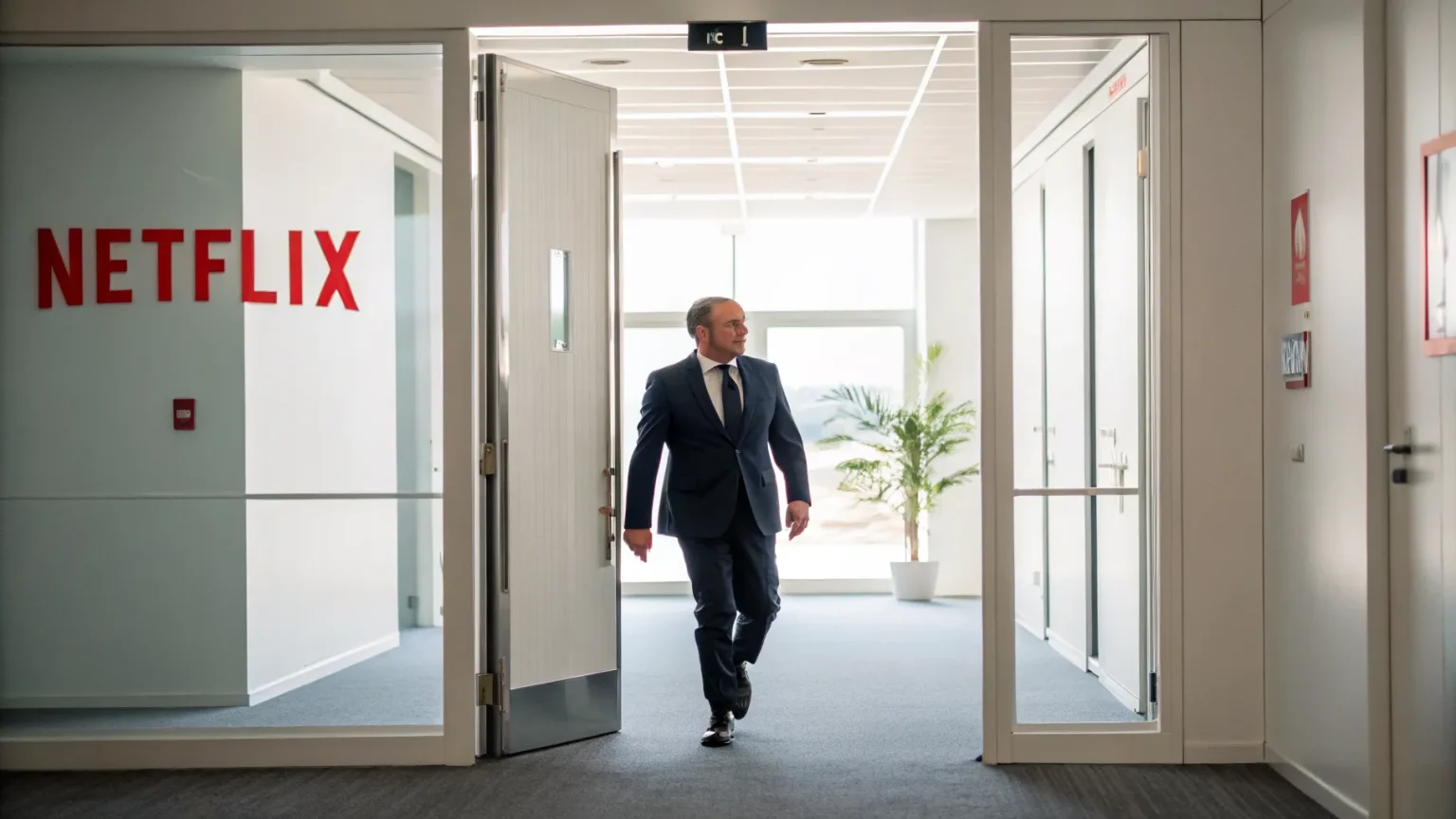
Netflix has stepped back from a bidding war, opening the way for Paramount to secure a contested takeover. The move, described by people close to the talks on Wednesday, shifts the balance in a race that had drawn intense interest from investors and the media industry. The decision narrows the field and places Paramount in a stronger position as final terms are negotiated.
“Netflix’s decision to back down from the bidding war clears the path for Paramount to win the takeover battle.”
The retreat marks a sharp turn in a competition that had become a test of scale and strategy in streaming and studio ownership. It also highlights deal-making pressures as major players weigh expansion against cost control and regulatory scrutiny.
Why Netflix May Have Walked Away
Netflix has focused on controlling costs while growing its ad-supported tier and cracking down on account sharing. A large acquisition can distract from those goals and add debt. Stepping away signals discipline at a time when investors reward steady margins and reliable cash flow.
Buying a major asset also brings antitrust questions. Regulators in the United States and Europe have taken a tougher stance on big media mergers. Even if a deal passed, integration risk can be high in content businesses where talent, rights, and culture matter.
For Netflix, keeping flexibility to license content, fund originals, and invest in live events and sports-style programming may be more attractive than owning another complex studio operation.
What Paramount Stands To Gain
Paramount, a legacy studio with a global television footprint, now faces fewer obstacles. A win would expand its library, strengthen distribution, or add key technology and talent, depending on the target. That could help its streaming service and linear networks compete for audience attention and advertising dollars.
Industry consolidation can also bring negotiating power with advertisers and distributors. A larger library and more franchises tend to improve subscriber retention. But it also raises challenges. Integrating assets, rationalizing overlapping units, and aligning release strategies are not simple tasks.
Industry Context: A New Phase Of Consolidation
The streaming boom is maturing. Subscriber growth is slowing in many markets, and content costs have climbed. Studios and platforms are looking for scale, better monetization, and smarter windowing across theaters, streaming, and licensing.
After years of rapid expansion, boards are emphasizing profit. Deals are being judged on earnings impact, debt levels, and the speed of integration. This shift favors buyers with clear strategies and the patience to execute.
What Comes Next In The Deal Process
Paramount still needs to finalize terms and secure approvals. The target’s board will continue to review price, structure, and certainty of closing. Labor groups and creative communities may also weigh in if jobs or production pipelines are affected.
- Due diligence on content libraries, rights, and liabilities.
- Talks over leadership, integration plans, and cost savings.
- Regulatory filings and potential remedies if required.
- Investor updates on financing and timeline.
Implications For Competitors And Creators
Rivals may adjust plans. With Netflix out, other bidders could re-enter or partner if they see value. Smaller streamers might seek alliances, sharing technology or bundling subscriptions to reduce churn.
For creators, a larger combined buyer can mean bigger checks for hit franchises but fewer greenlights for riskier projects. Talent deals may tilt toward proven IP, while mid-budget films and niche series face tighter scrutiny.
Investor Takeaways
Paramount has a clearer shot at a deal that could reshape its growth path. Execution will be the key test. Investors will watch for details on cost savings, content strategy, and how the company balances box office, streaming, and licensing revenue.
For Netflix, the decision helps protect its balance sheet and focus. Walking away avoids integration risk and keeps attention on product, pricing, and international expansion. That may serve shareholders well if growth slows across the sector.
The next few weeks should reveal price, structure, and a roadmap for integration. If the transaction closes, the studio will face a heavier lift but also a larger platform. If talks stall, the field could reopen. For now, Netflix’s exit reshapes the race and gives Paramount a clear, if challenging, path to victory.


