

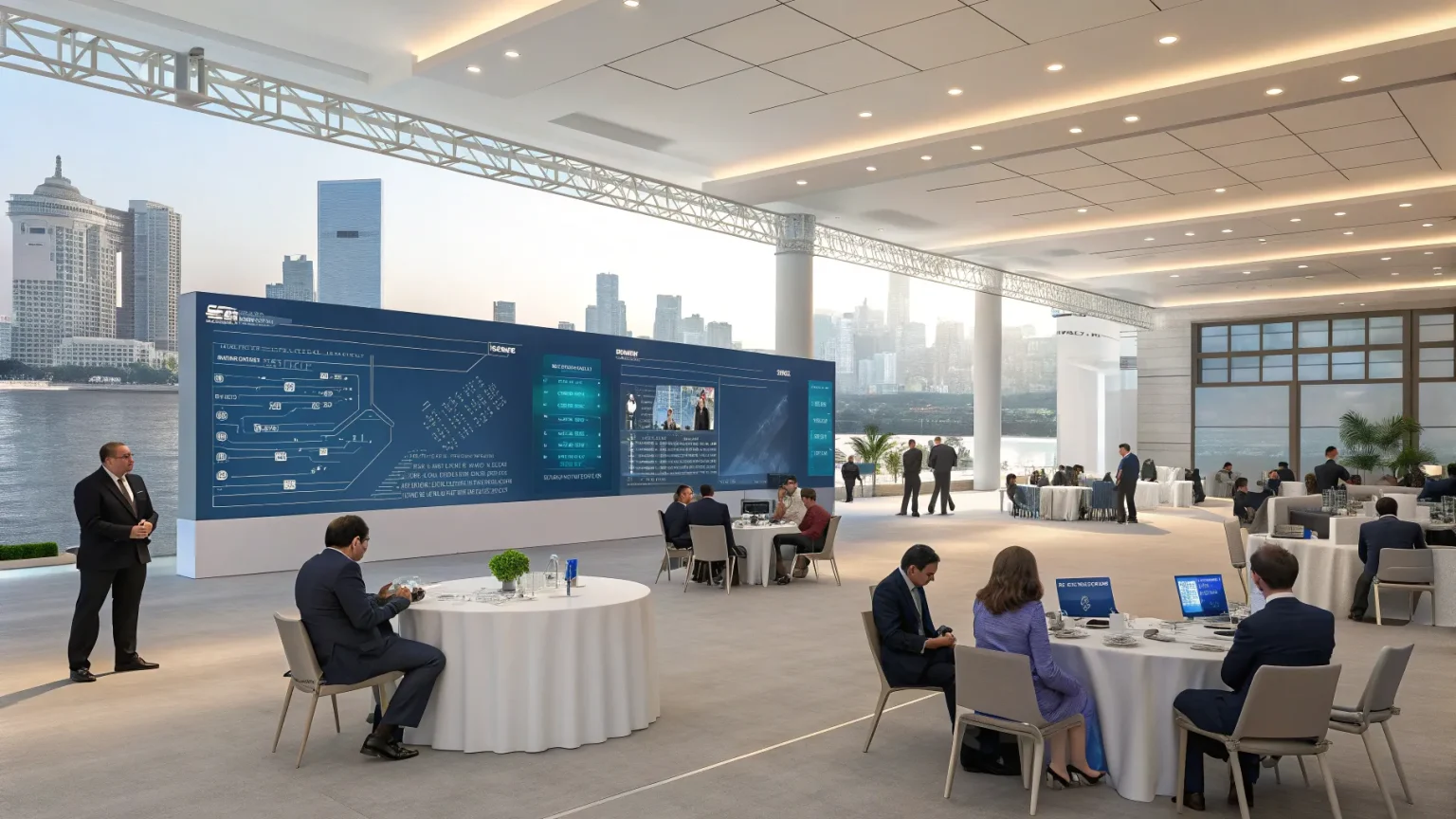
Mumbai welcomed cybersecurity professionals from across the industry as it hosted AlphaSec II on September 10, 2025. The event brought together chief information security officers (CISOs), cybersecurity leaders, and innovators for a day focused on addressing current challenges in the digital security landscape.
The summit featured a comprehensive program of panels, presentations, and discussions centered around critical topics including artificial intelligence in cybersecurity, cloud security frameworks, and advanced data protection strategies.
Industry Leaders Gather for Knowledge Exchange
AlphaSec II served as a platform for security professionals to share insights and best practices. Attendees participated in various sessions where experts presented their perspectives on emerging threats and defensive technologies.
The conference highlighted how organizations are adapting to an increasingly complex threat environment. Security executives shared case studies and practical approaches to protecting sensitive information assets while maintaining operational efficiency.
Discussions frequently returned to the growing role of artificial intelligence in both attack and defense scenarios. Presenters examined how machine learning algorithms are being deployed to detect anomalous network behavior before breaches occur.
Cloud Security Takes Center Stage
Cloud infrastructure security emerged as a dominant theme throughout the event. Sessions addressed the specific challenges organizations face when migrating critical systems to cloud environments.
Speakers emphasized the importance of implementing robust security architectures that account for shared responsibility models between cloud service providers and their customers. Presentations covered topics including:
- Identity and access management in multi-cloud environments
- Container security and orchestration protection
- Compliance frameworks for regulated industries operating in the cloud
Several CISOs shared their experiences implementing zero-trust security models across hybrid infrastructure, noting both successes and obstacles encountered during deployment.
Data Protection Strategies
With data breaches continuing to make headlines globally, AlphaSec II dedicated significant attention to data protection methodologies. Experts discussed encryption technologies, data loss prevention systems, and regulatory compliance requirements.
“Organizations must implement layered approaches to data security,” noted one speaker during a panel discussion. “The combination of technical controls, user education, and proper governance creates the strongest defense against unauthorized access.”
Sessions also addressed the challenges of protecting data across increasingly distributed workforces and systems. Presenters shared frameworks for classifying information based on sensitivity and applying appropriate controls throughout the data lifecycle.
AI Security: Opportunity and Risk
Artificial intelligence featured prominently in discussions about both security threats and defensive capabilities. Security professionals examined how AI systems can be compromised and how they can strengthen security postures.
Presentations covered the application of machine learning for threat detection, automated response to incidents, and predictive security analytics. Speakers also addressed the ethical considerations surrounding AI deployment in security operations.
Several demonstrations showcased new tools leveraging AI to identify vulnerabilities in applications and infrastructure before attackers can exploit them. These proactive approaches were contrasted with traditional reactive security measures.
The summit concluded with networking opportunities allowing attendees to form connections that will facilitate ongoing collaboration in addressing cybersecurity challenges. As threats continue to evolve in sophistication, these professional relationships become increasingly valuable for sharing threat intelligence and effective countermeasures.
AlphaSec II reinforced the importance of community-based approaches to security, where organizations work collectively rather than in isolation to protect digital assets across industries and geographic boundaries.


