

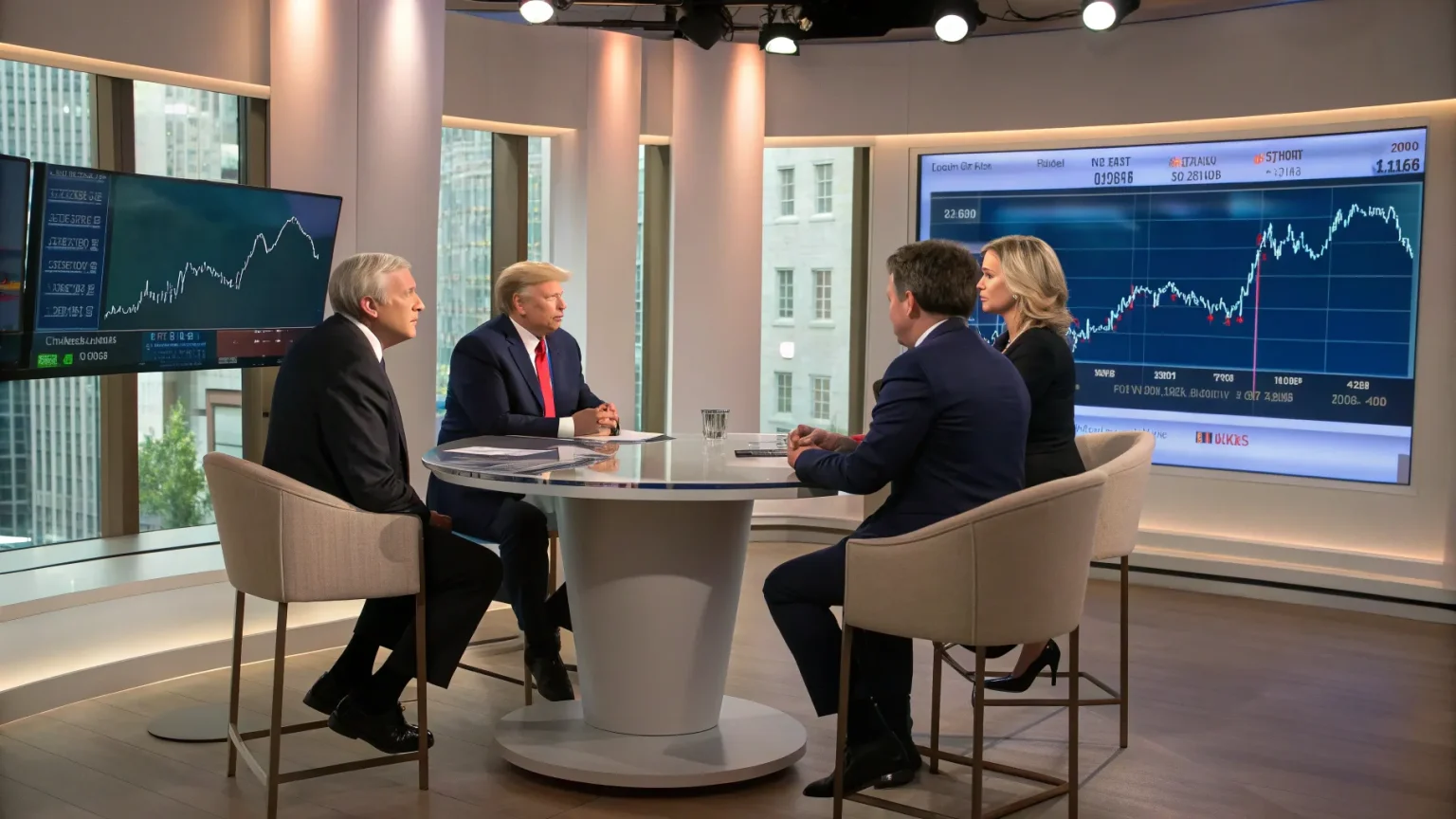
Investors turned their focus to President Donald Trump’s choice for the Federal Reserve as markets gauged what the decision could mean for interest rates and policy. The discussion played out on a financial news panel, where commentators weighed how a new voice at the central bank might guide borrowing costs, inflation control, and growth. With uncertainty high, the debate centered on whether policy could tilt tighter or stay patient in the months ahead.
Why a Fed Pick Matters Now
The Federal Reserve sets the target for short-term interest rates and shapes the outlook for inflation and jobs. A new appointee can shift the balance of views on the rate-setting committee. That can influence borrowing costs for households and businesses. Markets tend to react quickly when expectations about the path of rates change, moving Treasury yields, stocks, and the dollar.
Historically, investors watch Fed leadership signals for clues about future policy. Even small changes in tone can affect mortgage rates, credit card interest, and corporate financing plans. Stability is valuable, but the market seeks clarity most of all.
On-Air Debate Highlights
“The Big Money Show panel reacts to President Donald Trump’s Fed pick as markets weigh the future of interest rates and monetary policy.”
Panelists framed the choice as a test of how the central bank will balance inflation risks with a cooling growth outlook. One theme was whether the new pick might favor higher rates to keep prices in check or support holding steady to safeguard jobs and credit conditions. Another theme was how policy statements and press briefings could reset market expectations.
Commentators also discussed market mechanics. Rate-sensitive sectors such as banks, housing, and small-cap companies tend to move first when policy signals shift. Tech and growth stocks often respond to changes in bond yields, which reflect the path of future rates.
Possible Paths for Policy
A new policymaker could emphasize inflation risks. That would point to a slower path to rate cuts, or even a bias to keep rates elevated for longer. Higher-for-longer policy can steady inflation but raises borrowing costs, which can weigh on hiring and investment.
The alternative is a cautious stance that prioritizes flexibility. That approach keeps options open if inflation eases and growth slows. It may support credit markets and housing but risks letting price pressures persist if demand stays firm.
- If policy tilts tighter: bond yields may rise, the dollar could strengthen, and banks may benefit from higher net interest margins.
- If policy tilts patient: bond yields may ease, rate-sensitive stocks could gain, and refinancing activity may pick up.
Impact on Households and Businesses
For households, the direction of policy affects mortgages, car loans, and credit card rates. A steady or lower rate path can reduce monthly payments and support home sales. Higher rates can slow borrowing and cool price gains in housing.
For businesses, financing costs drive investment plans. Companies with heavy debt loads are sensitive to even small shifts in yields. Small firms depend on bank credit, which can tighten when policy signals turn restrictive.
Central Bank Independence and Communication
The Federal Reserve operates with policy independence. Appointees bring their own views but must build consensus on a committee. Clear communication helps guide markets and avoid surprises. Investors will watch confirmation remarks, speeches, and meeting statements for policy clues.
Forward guidance remains a key tool. Markets often react more to messages about the future than to a single rate decision. The new pick’s approach to guidance could shape volatility in the weeks ahead.
What Investors Are Watching
Traders will focus on inflation readings, job reports, and consumer spending. Market-based measures, such as Treasury yields and futures pricing, will signal how expectations shift. Equity moves in banks, homebuilders, and growth stocks will offer a read on sentiment.
The central question is simple: will policy lean tighter to curb inflation or stay patient to protect growth? The answer will guide borrowing costs, hiring plans, and market risk appetite. Until clearer signals emerge, investors are likely to trade on data and the new pick’s early remarks. The next steps will show how the balance between price stability and growth is set, and whether markets get the clarity they seek.


