

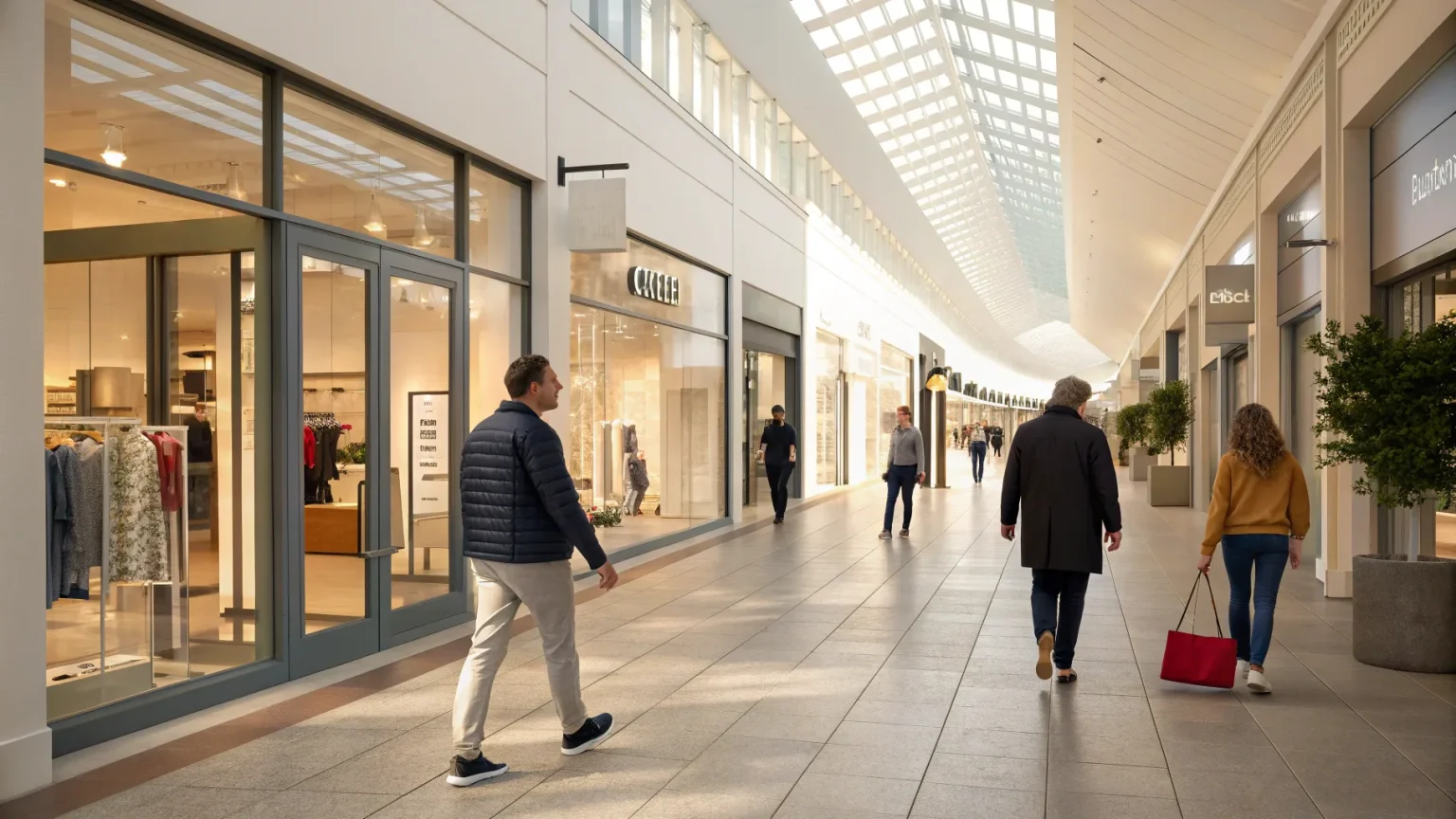
On a recent visit to a Pittsburgh shopping mall, retail expert Katie Thomas walked the corridors to read what everyday purchases might say about the nation’s financial health. Her goal was simple but timely: spot the signals in how people spend, and what that could mean for the months ahead.
The outing comes as households juggle prices, promotions, and new shopping options. It also reflects a wider question facing retailers and policymakers alike. Are shoppers pulling back, trading down, or still willing to spend for the right items?
Retail expert Katie Thomas scours her local shopping mall in Pittsburgh to divine what Americans’ shopping habits reveal about the economy and the nation’s future.
Why A Mall Still Matters
Shopping malls remain one of the clearest places to see consumer behavior in real time. Foot traffic, store mix, and the size of shopping bags can hint at confidence or caution. People tend to spend more freely when they feel secure about jobs and savings. They trim extras and seek deals when budgets tighten.
The United States has seen a shift in how people shop over the last decade. E-commerce has grown, and stores have adapted with curbside pickup, easier returns, and more promotions. Many malls now lean on fitness centers, entertainment spaces, and restaurants to draw crowds. Yet traditional retail still anchors much of the daily spend.
Signals From The Aisles
Thomas’ approach highlights small cues that can add up. Are shoppers browsing or buying? Are they flocking to discount racks or new arrivals? These simple questions can reveal where the wallet is heading. She studies the mix of bags from apparel, electronics, beauty, and home goods, and how often people leave empty-handed.
Retailers read the same signs. When shoppers favor basics and seek sales, companies ramp up promotions. When new collections move at full price, they plan for stronger demand. The balance between value and novelty often changes with news about jobs, gas prices, and borrowing costs.
- Heavy discounting suggests price pressure on households.
- Crowded food courts can show steady small-ticket spending.
- New store openings hint at retailer confidence in local demand.
What Retailers Are Watching
Store managers pay close attention to returns, basket size, and the pace of weekend sales. These metrics help them decide how much to order and which categories to feature. Beauty and wellness often hold up when apparel slows. Footwear can outperform when consumers refresh essentials but skip big wardrobe updates.
Shoppers today also blend online and in-person habits. Many research on phones, compare prices, and then pick up in store. Others try on items in person but complete the purchase online with a coupon or loyalty points. This mixed pattern makes malls a window into both channels, not just in-store sales.
A Broader Economic Barometer
Consumer spending drives a large share of U.S. economic activity. That is why small changes in mall behavior can matter. If shoppers trade down to value brands or hunt for clearance, it may hint at tighter budgets. If they choose full-price products or premium experiences, it can suggest confidence.
Local factors also shape the picture. Pittsburgh’s job market, commuting patterns, and neighborhood growth all affect mall traffic. Seasonal events, school calendars, and weather can swing sales week to week. One mall visit is not a full picture, but it adds texture to monthly retail reports and earnings calls.
What The Visit Could Mean Next
If Thomas sees steady foot traffic and balanced bags across categories, retailers may expect stable demand into the next quarter. If the crowds cluster at discount chains and clearance bins, merchants may lean harder on promotions and keep inventory tight.
For households, the pattern reflects trade-offs. People still spend on small treats and experiences, even when they trim big purchases. That mix can support service jobs and keep malls relevant, while putting pressure on discretionary goods that are easy to delay.
Thomas’ mall walk is a reminder that the consumer story is written in small choices. The next few months will show whether shoppers keep prioritizing value over novelty, or feel confident enough to spend more freely. Watch for the balance of full-price sales and promotions, the pace of new store openings, and how often people leave with bags in hand. Those signs will offer early clues to the economy’s direction and the strength of the retail year ahead.


