

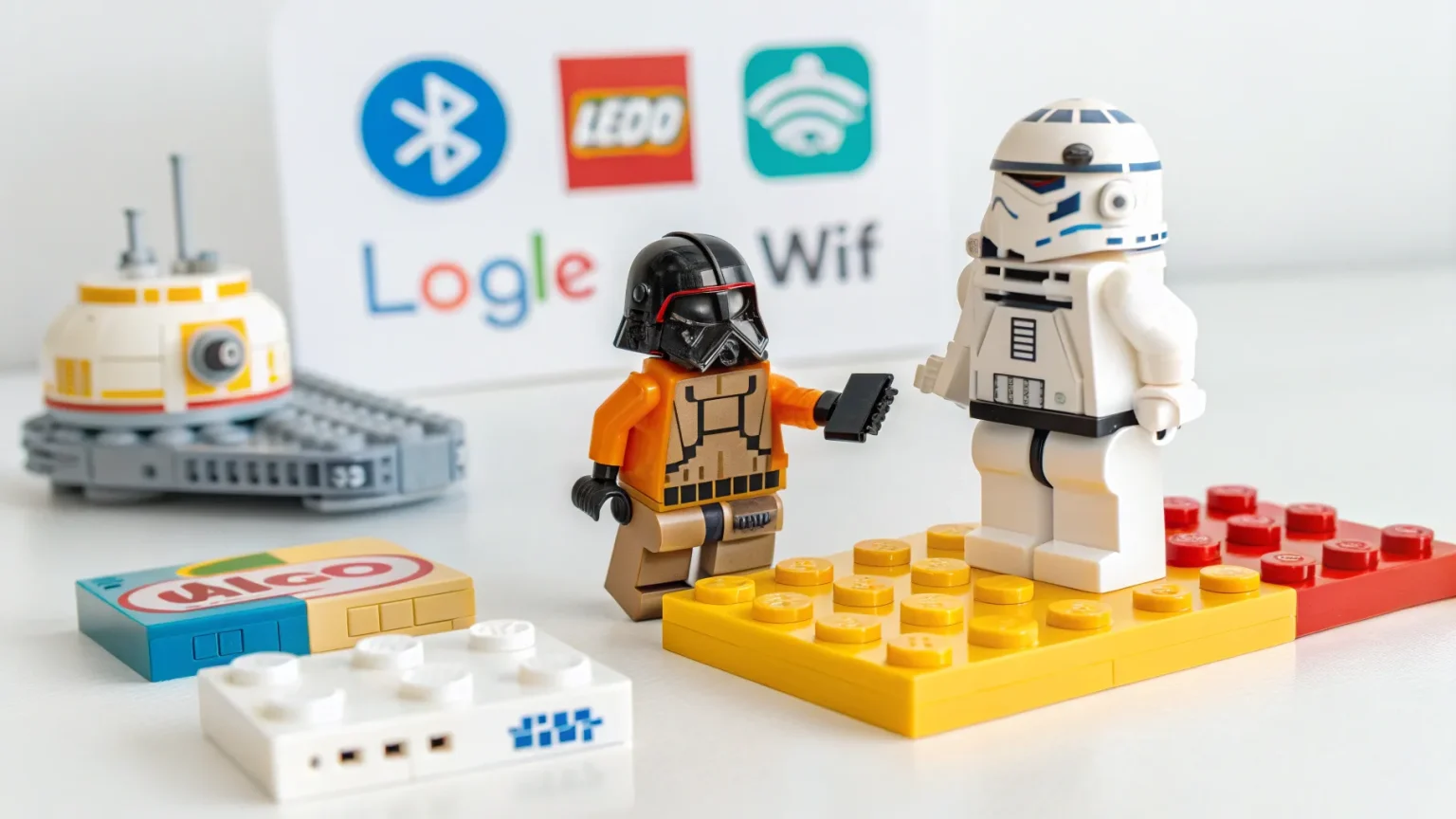
Lego says a new brick will debut in March and “make entire sets come to life,” starting with a Star Wars release. The company offered a brief teaser and set a near-term timeline, signaling a fresh push into interactive play for one of its most popular franchises. While details remain scarce, the move points to a strategy that blends classic building with modern features to keep fans engaged.
What We Know So Far
“Make entire sets come to life,” starting with Star Wars in March.
The company confirmed a March rollout and a Star Wars-first approach. It did not share technical specifications, pricing, or which sets will support the brick at launch. The phrasing hints at light, sound, motion, or app-driven features, but that remains unconfirmed.
Retailers and fan forums have speculated about sensors, wireless control, or effects that sync across a model. Lego has used Bluetooth hubs and LEDs in recent lines, so a single “hero” brick that coordinates effects is plausible. Still, the company has not described how the new piece will work, or whether it requires an app.
A History Of Interactive Play
Lego has tried several forms of tech-aided play across the past three decades. Light and sound bricks appeared in sets as early as the late 1980s. The company later explored programmable play with Mindstorms for education and hobbyists. App-controlled motors and lights arrived through Powered Up in the late 2010s. It also experimented with augmented reality in the Hidden Side theme and a toys-to-life game with Dimensions.
Not every effort lasted. Mindstorms was retired in 2022, with education-focused kits taking its place. Dimensions ended in 2017 amid shrinking demand for toys-to-life. Hidden Side’s AR features drew curiosity but did not anchor a long-running theme. The new brick appears to distill those lessons into a simpler value: one piece that enhances many sets.
Why Start With Star Wars
Star Wars has long been a pillar for Lego. Licensed themes, especially Star Wars, consistently rank among top sellers in company reports. Launching the brick in this line ensures high visibility and a large base of adult and younger fans who build display models and play sets.
Star Wars models also lend themselves to effects. Engines, lightsabers, droids, and starship interiors can benefit from coordinated sounds and lights. If the brick also supports motion or interactivity, ships, walkers, and dioramas could offer new play patterns without complex wiring.
What It Could Mean For Fans And Retailers
For builders, a standout brick could lower the barrier to add effects. Instead of learning a control system, users could place the brick, connect a few elements, and press a button or use a simple app. That ease could appeal to families and casual fans.
For stores, a single feature piece could drive add-on sales. If the brick works across multiple sets, retailers might promote it alongside new releases and key Star Wars models. Clear packaging and in-store demos would be important if the concept relies on visual impact.
Open Questions And Caution
- Will the brick need an app, or work stand-alone?
- How will batteries, charging, or durability be handled?
- Will older sets be compatible, or only new releases?
- What is the price, and is it included in sets or sold separately?
Past experiments show risks. App reliance can limit longevity if software support wanes. Complex setup can put off younger builders. Collectors may also worry about cables or large modules inside display models. Clear design and long-term support will matter.
Signals From The Market
Toy makers continue to blend physical and digital play, but many now favor simpler features over heavy app use. Battery life, safety, and privacy rules have also pushed companies toward modular ideas that add value without constant connectivity. A flexible Lego brick that brings light and sound to many models would fit that trend.
Lego’s teaser sets the stage for a high-profile March reveal tied to Star Wars. The promise to “make entire sets come to life” suggests an easy way to add effects without a steep learning curve. If the brick proves simple, compatible, and well supported, it could become a standard add-on for new and existing kits. Watch for official details on functions, pricing, and whether the piece will expand to themes like City, Technic, or Icons after the initial launch.


