

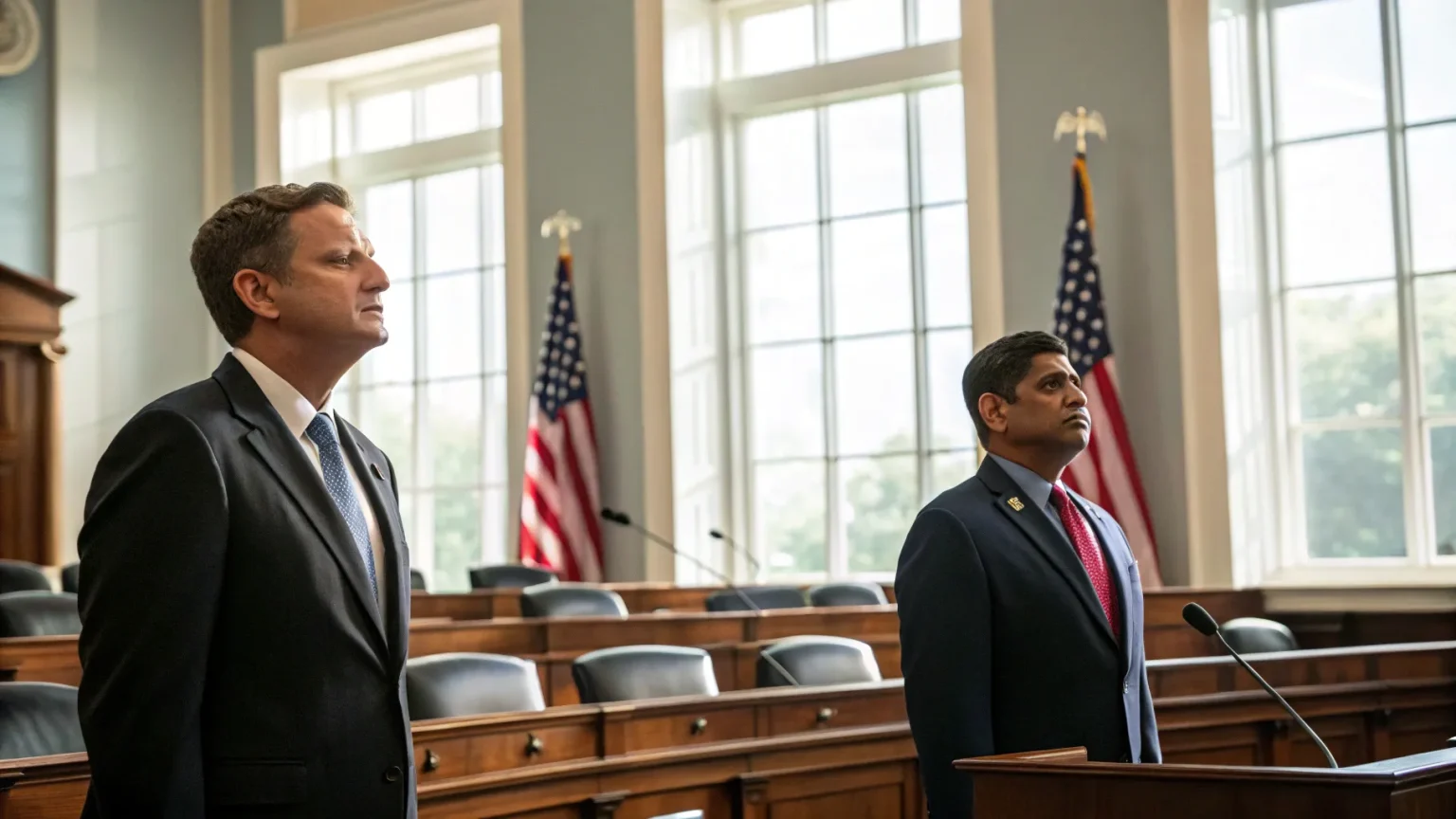
Two members of Congress said newly reviewed Justice Department records about Jeffrey Epstein kept the identities of at least six men from public view without a clear legal reason. Reps. Thomas Massie of Kentucky and Ro Khanna of California described the redactions as shielding “prominent” figures, pressing the government for an explanation and greater transparency.
The comments came after the lawmakers examined unredacted files tied to the Epstein investigation. They said the materials differ from earlier releases, which had blacked out names and details. Their account raises fresh questions about how the government handled disclosures in a high-profile case that has sparked public interest for years.
What the Lawmakers Saw
“At least six men were concealed from the public without clear legal justification,” Massie and Khanna said after reviewing the files.
They added that previously released documents included redactions protecting “prominent” individuals.
Neither lawmaker named the men they believe were shielded. They said the point was the lack of a stated legal basis for the blackouts, not the identities themselves. Their remarks suggest the redactions went further than privacy norms typically require.
Redactions and the Rules
Federal agencies often remove names in public records to protect privacy, ongoing investigations, or national security. Courts and the Freedom of Information Act allow such limits in certain cases. But the standard usually requires a specific justification tied to each redaction.
The lawmakers’ criticism centers on that threshold. If the men were not targets, witnesses under threat, or part of an active probe, they argue, the public may have a right to know. The Justice Department did not immediately provide a detailed rationale, according to the lawmakers’ account.
Why It Matters
Epstein’s case has long fueled debate about special treatment for well-connected people. He died in federal custody in 2019 after being charged with sex trafficking. Since then, courts and agencies have released batches of records, some with extensive redactions.
Advocates for disclosure say secrecy feeds mistrust. They argue that sunlight deters favoritism and helps victims and the public see how power operated around Epstein. Others warn that naming third parties who were not charged risks unfair harm, especially if mentions are untested or incidental.
Competing Interests at Stake
- Privacy: Third parties may be named in files without wrongdoing.
- Fairness: Public naming can damage reputations without due process.
- Transparency: Excessive secrecy can erode confidence in justice.
- Safety: Some redactions protect witnesses and victims.
Balancing those interests is the core challenge. The lawmakers say the government has tilted too far toward secrecy in this instance. Critics of that view caution that case files can include sensitive material that demands care.
What Comes Next
Massie and Khanna’s statements could prompt new oversight steps, including formal letters to the Justice Department, hearings, or requests for an inspector general review. Congress can also press for updated guidance on redactions in cases of high public interest.
Legal experts say a practical path would be a fresh review using a tighter standard and written justifications. That would allow more precise disclosures and help explain any names that must remain sealed.
The Broader Pattern
This dispute fits a wider trend of tension over high-profile disclosures. In cases involving influential figures, even routine redactions draw scrutiny. Clear explanations, timely releases, and consistent standards can reduce suspicion and limit speculation.
For victims and the public, the key questions are simple: who knew what, and when. Whether the answer comes through new disclosures or a formal review, the outcome will shape confidence in how the government handles sensitive cases.
For now, the lawmakers’ account sets up a test for the Justice Department. If the six names were blacked out without a solid reason, a corrected release may follow. If there are valid grounds, a clear explanation could calm the debate. Either way, more detail and stronger standards are likely to be the next steps to watch.


