

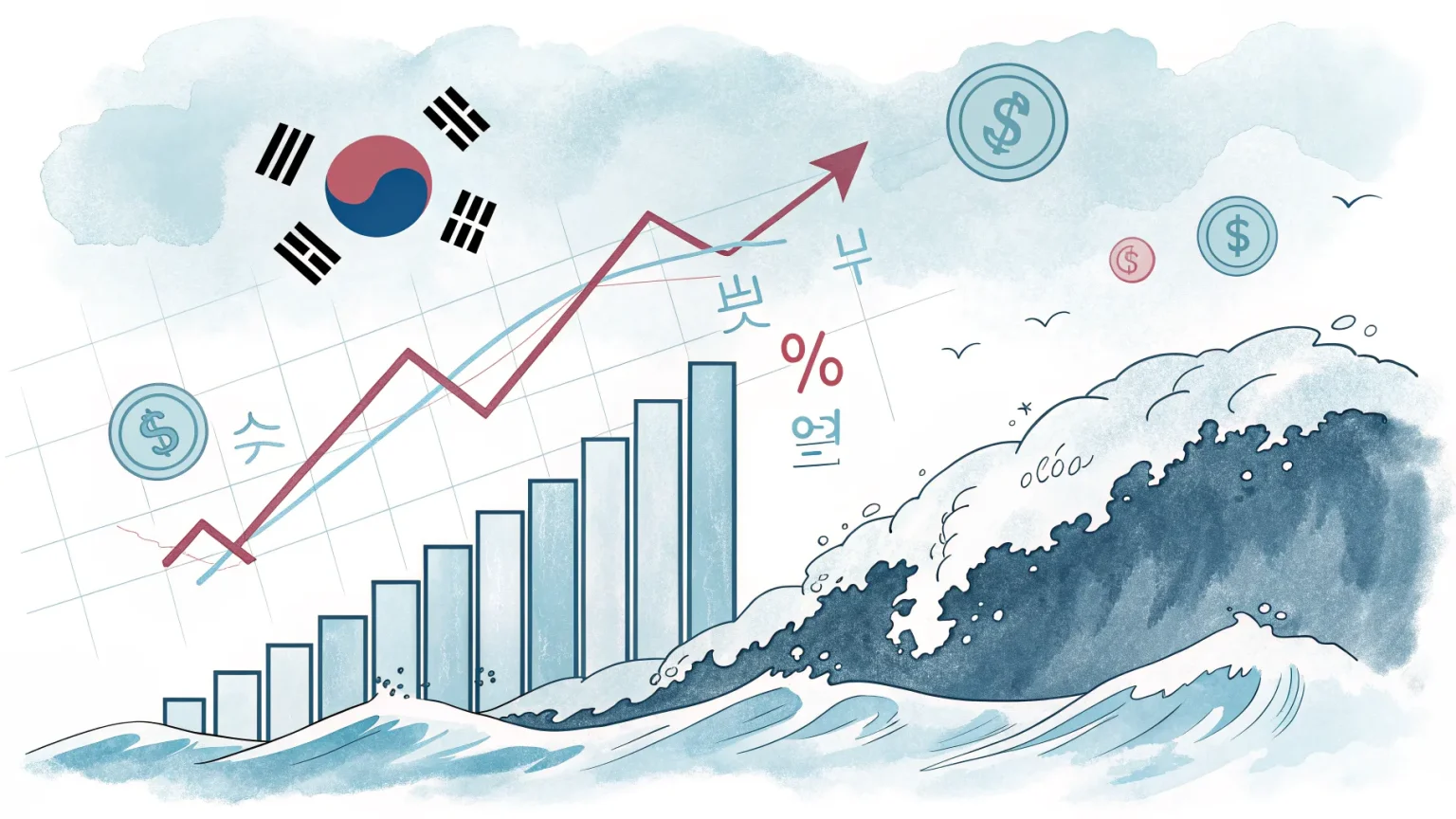
South Korea’s main stock index fell 20% over two trading sessions, as leveraged bets by retail investors spiraled into margin calls and forced selling. The sudden slide, centered in Seoul, rattled brokerages and put policymakers on alert as investors rushed to cover losses and reduce risk.
The sharp drop came amid heavy trading and rising volatility. Market participants described a feedback loop: falling prices triggered margin calls, which then forced more liquidation and deeper losses. The Korea Composite Stock Price Index, a key barometer for Asia’s fourth-largest economy, faced pressure across sectors.
The KOSPI has shed 20% in two trading sessions as excess leverage triggers margins calls and forced liquidation of positions by retail investors.
How Leverage Turned Losses Into a Freefall
Leverage allows investors to control larger positions with borrowed funds. When stocks drop, lenders demand more collateral. If investors cannot meet these calls, brokers close positions to limit risk. That selling often pushes prices even lower, prompting more calls.
Analysts say this pattern is common during sudden market stress. It is especially acute when many retail accounts use margin at the same time. In such periods, even solid companies can see steep declines as investors sell to raise cash quickly.
A Market With a History of Sharp Swings
The KOSPI has seen swift moves during past shocks, including the global financial crisis and the early months of the pandemic. Retail activity has grown in recent years, amplifying both rallies and pullbacks. Low rates and easy access to trading apps helped fuel that rise. As rates climbed and growth slowed, many investors held onto positions with borrowed money, leaving them exposed to sudden drops.
South Korea’s market is also sensitive to global cues, from U.S. tech earnings to currency shifts and energy prices. This week’s slide shows how quickly local leverage can magnify global jitters into homegrown stress.
Where the Stress Is Showing
- Brokerage risk desks are monitoring margin shortfalls and client liquidations.
- Highly traded retail names and small caps are seeing outsized moves.
- Sentiment-sensitive sectors are bearing the brunt as investors raise cash.
Veteran traders note that liquidity can dry up when many investors head for the exits at once. Bid-ask spreads widen, and exit prices worsen. That intensifies losses and can deepen the selloff in the short term.
What Authorities and Investors May Consider Next
Regulators often review leverage rules after periods of strain. Tools may include tighter margin requirements, closer oversight of retail borrowing, and temporary steps to calm trading. Any changes would aim to reduce the chance of forced selling waves without constraining everyday market activity.
For investors, risk control becomes the priority. Smaller position sizes, more cash, and clearer stop-loss levels can help when volatility rises. Diversification across sectors and asset classes may also reduce drawdowns during fast declines.
Possible Paths From Here
Markets can stabilize when sellers exhaust, fresh buyers appear, or policy signals restore confidence. Company earnings and economic data may also guide the next move. A steadier currency and calmer global risk sentiment would help. If conditions remain tense, further forced selling could extend losses, even in otherwise healthy names.
History shows that rebounds can follow deep setbacks, but timing is uncertain. Investor psychology matters: once fear cools, liquidity returns and price discovery improves. Until then, funding pressure and margin calls will set the tone.
The latest drop highlights how leverage can reshape a routine decline into a swift slide. The coming days will test whether selling pressure fades and whether policy signals calm nerves. Watch for changes in margin usage, signs of renewed liquidity, and company guidance that could anchor prices. For now, caution and strong risk controls are in focus.


