

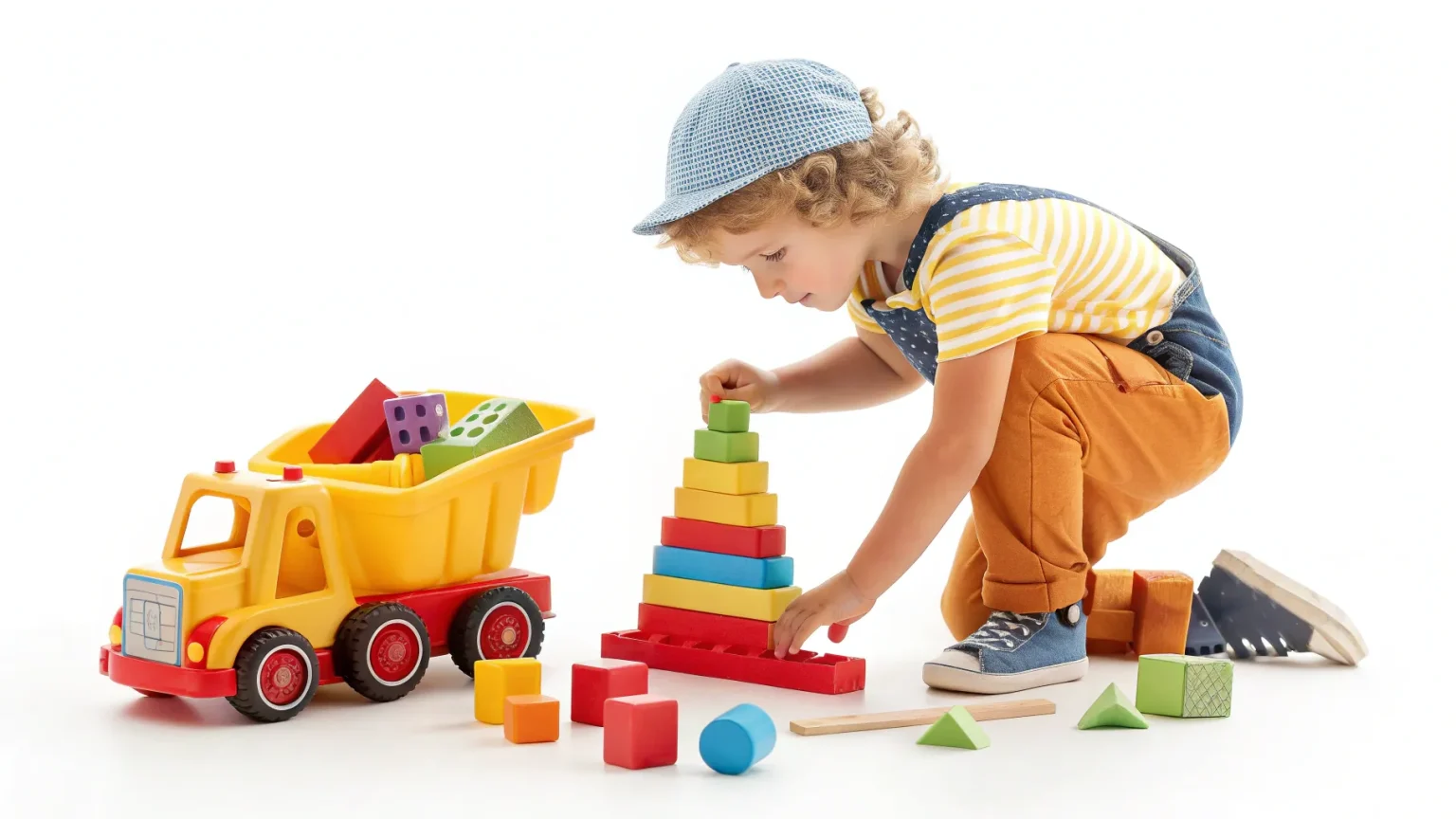
A $249 children’s toy from an unnamed company has surged in popularity this year, underscoring the power of word-of-mouth and seasonal demand in the toy market. The trend gained steam as families sought gifts that balance fun, durability, and perceived value. Retailers report higher foot traffic in toy aisles, while shoppers weigh price against quality with the holidays in view.
The company has not disclosed sales figures, but momentum is clear. As one statement put it,
“The company’s $249 toy for kids surged in popularity this year.”
The rise comes as parents look for products that feel worth the spend amid inflation pressure and tighter household budgets.
Why a Premium Price Resonated
The $249 price point sits in the premium range for children’s products. That can signal higher-quality materials, longer lifespans, or a feature set that promises extended use. Parents often compare cost to the number of months a toy will hold a child’s interest. If a toy crosses into daily use, families may treat it more like a small appliance than a novelty.
Retailers often build bundles and financing options around higher-ticket toys. These tactics break the cost into manageable chunks and can boost conversion. Limited-time discounts also create a sense of urgency, which can accelerate sell-through in peak weeks.
Seasonal Timing and Supply Pressures
Toy demand typically peaks in late November and December. Products that catch on by early fall often see stock fluctuations as the season progresses. When a single item gains traction, supply chains can strain, especially if components or assembly are concentrated in one region.
Parents have learned from past shortages. Many buy early or set alerts across multiple retailers. Third-party marketplaces can heat up if inventory thins out, sometimes driving resale prices above MSRP.
- High-demand toys often see staggered restocks.
- Bundles may appear to manage limited supply.
- Resale activity increases when shelves empty.
What Parents Are Prioritizing
Price matters, but durability and safety sit at the top of the checklist. Parents want products that can survive daily play and still be handed down. Clear age guidance and simple setup are also important. If the toy involves batteries or charging, families look for long life per charge and safe materials.
Screen time is another factor. Many households seek toys that get kids moving, building, reading, or socializing. A product that satisfies these goals can justify a higher price to some families, especially if it reduces recurring costs on other entertainment.
Retailer Strategies Behind the Surge
Merchandising can make or break a new hit. Eye-level placement, demo stations, and staff recommendations lift conversion. Online, high-quality videos and clear specs help parents decide quickly. Many stores use limited-inventory notices to nudge purchases when stock could run low.
Customer reviews play a key role. Consistent four- and five-star ratings with specific praise for durability and value can propel a toy into a bestseller slot. That visibility then drives even more interest, creating a flywheel effect.
Risks and Trade-Offs
A hot product can face quality-control pressure as production scales. Returns may rise if later batches vary. Competition may also intensify as rivals position similar items near the same price. If an item includes small parts or advanced features, customer support load can increase, raising costs for the maker.
Affordability is a concern. At $249, many families will wait for sales or pass in favor of lower-cost options. That gap can shape how retailers plan promotions and how the company frames the product’s value over time.
What Comes Next
The company has not announced new versions or expansions, but products that gain momentum often evolve. That may include accessories, seasonal colors, or updates based on customer feedback. Retail partners could push special editions if demand holds.
For now, shoppers should expect uneven availability through the peak season. Early purchases and price tracking remain prudent. Retailers will watch returns, reviews, and repeat purchases to judge whether this surge is a short holiday spike or the start of a durable category leader.
The year’s big takeaway is clear: when a children’s product aligns with family priorities—durability, safety, and day-to-day usefulness—price can be less of a barrier. If supply keeps pace and quality stays consistent, the toy’s strong run could extend well into next year.


