

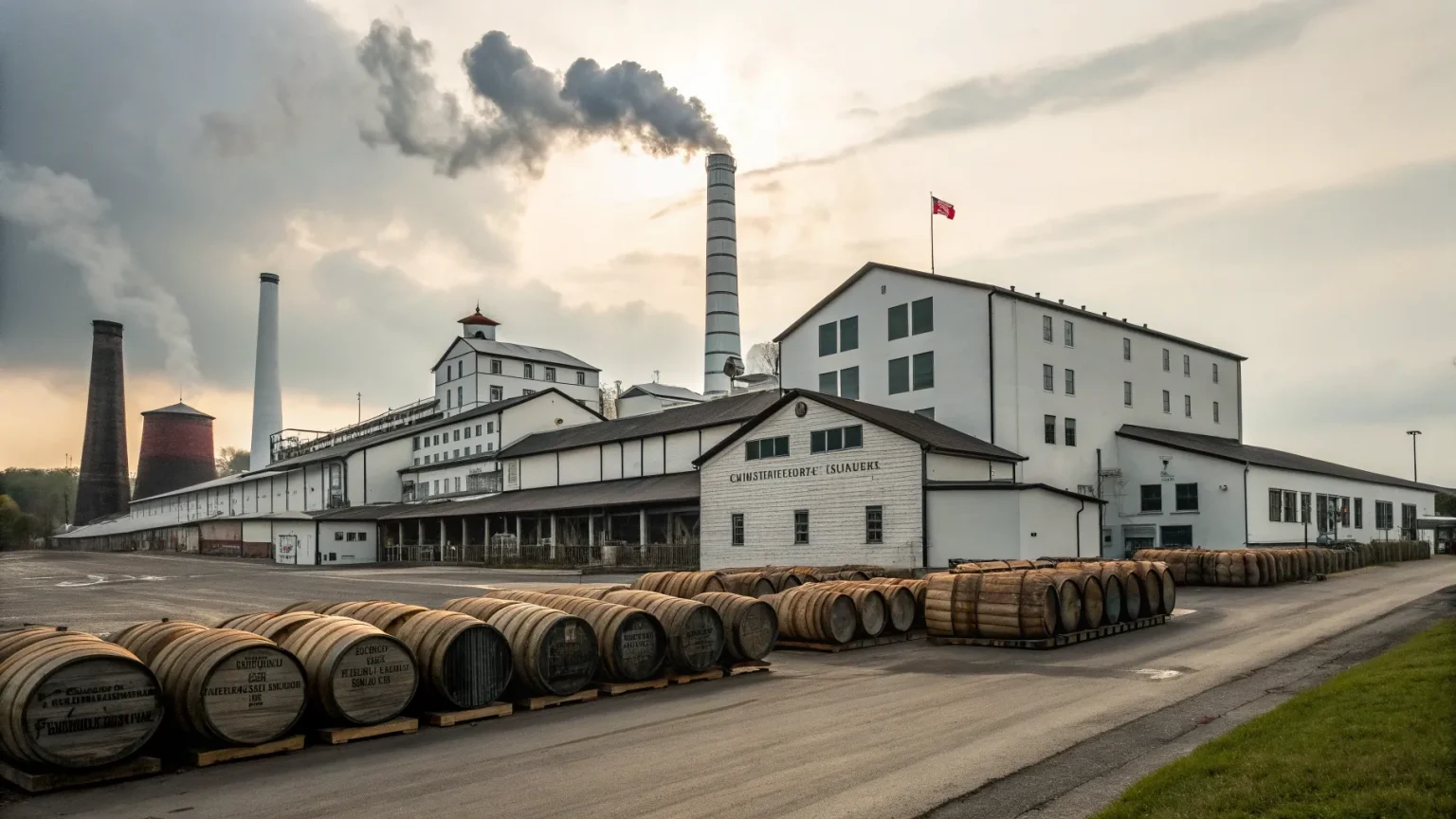
Jim Beam, the best-selling Kentucky bourbon brand, plans to pause production at its main distillery next year, according to the James B. Beam Distilling Company. The move affects its flagship site in Clermont, Kentucky, and signals a shift in how the company is managing inventory and operations. The company did not share a timeline or the length of the pause, but the announcement will be closely watched by workers, suppliers, and bourbon fans.
Company Statement And What It Means
“Popular Kentucky bourbon maker Jim Beam plans to pause production at its main distillery next year, according to the James B. Beam Distilling Company.”
The company confirmed the planned pause but did not provide further details on why or for how long. A pause can serve many purposes in the bourbon business. It can help align supply with demand. It can also support maintenance, upgrades, or construction projects that prepare a facility for future growth.
Jim Beam’s parent company, long known as Beam Suntory and now operating as Suntory Global Spirits, has invested heavily in Kentucky in recent years. The Clermont campus has been modernized and expanded to handle visitors and production needs. The brand also operates the Booker Noe plant in Boston, Kentucky, which gives it flexibility across sites.
Background On Bourbon’s Boom And Bottlenecks
American whiskey has surged over the past decade, with Kentucky bourbon at the center. Exports grew, tourism increased, and new distilleries opened. But bourbon also has a long production cycle. Whiskey must age for years, so decisions made today shape supply far into the future.
That cycle can create periods of tightness or surplus. When demand cools or shifts by product type, producers sometimes slow or pause production to balance future inventory. This can also create windows for equipment upgrades, sustainability projects, and compliance work that is hard to do while still running at full speed.
Potential Impact On Supply And Jobs
Any production change at Jim Beam’s main site matters because the brand is a major volume producer. Retail shelves are unlikely to feel an immediate effect. Most bourbon in stores today was distilled years ago. Short-term supply depends on what is already aging in warehouses.
The company did not say whether the pause will affect staffing levels. In many cases, workers remain focused on barreling, bottling, maintenance, warehousing, and visitor operations even when distillation slows. Local suppliers, including grain and barrel vendors, will watch for more guidance on timing and scope.
Why A Pause Can Be Strategic
Industry analysts often point to three practical reasons for a planned pause:
- Inventory planning for products that must age for years.
- Maintenance or upgrades that improve efficiency or sustainability.
- Managing costs during periods of demand fluctuation.
For a brand with broad distribution, small production shifts can stabilize future releases. It can also position limited editions and age-stated products more predictably. While consumers may worry about shortages, a measured pause can help avoid uneven supply later.
What To Watch Next
Key questions remain. How long will the pause last? Will it include only distillation, or also barreling? Will production move to other company sites during the pause? Answers to these points will shape the effect on Kentucky’s bourbon economy and on Jim Beam’s shelf presence.
The company’s tourism business at Clermont is also an important factor. Visitor centers, tastings, and education programs have become core to brand-building. Those operations often continue regardless of a production pause, keeping fans engaged and the region’s travel economy active.
Jim Beam’s decision shows how large distillers manage long timelines and complex inventories. The immediate impact for consumers should be limited. The longer-term story depends on how the company times the restart and balances production across facilities. More details from James B. Beam Distilling Company are expected as the pause draws closer.


