

With inflation fears back in focus, investors are looking for safer places to park cash. Precious metals are drawing fresh attention, and silver is moving onto watchlists. Analysts say demand rises when prices in the economy feel less stable. The debate now is how much silver belongs in a modern portfolio and what risks come with it.
Concern over rising costs has pushed savings questions to the front. Households and institutions are weighing tools that can hold value when currencies weaken. While gold gets most of the spotlight, silver is part of the same discussion and has a different profile. It trades as both a store of value and an industrial metal, which can cut both ways for returns.
Why Silver Enters the Conversation
“If you’re worried about increased inflation, adding precious metals like silver to your portfolio can be a smart choice.”
That view, shared during a recent discussion, reflects a wider sentiment. Precious metals are seen as a hedge when purchasing power slips. Silver often rallies when inflation expectations rise and when investors doubt central banks will cool prices quickly.
Unlike gold, silver also serves factories. It is used in electronics, solar panels, medical devices, and batteries. Industrial demand can support prices during growth cycles. It can also pull prices lower during slowdowns. This mix makes silver more volatile than gold, but also offers different entry points for buyers.
How It Fits in a Portfolio
Wealth managers tend to treat silver as a diversifier. It can reduce exposure to stocks and bonds during price shocks. The allocation size varies by risk appetite and time horizon. A small slice can change the risk profile without driving the whole portfolio.
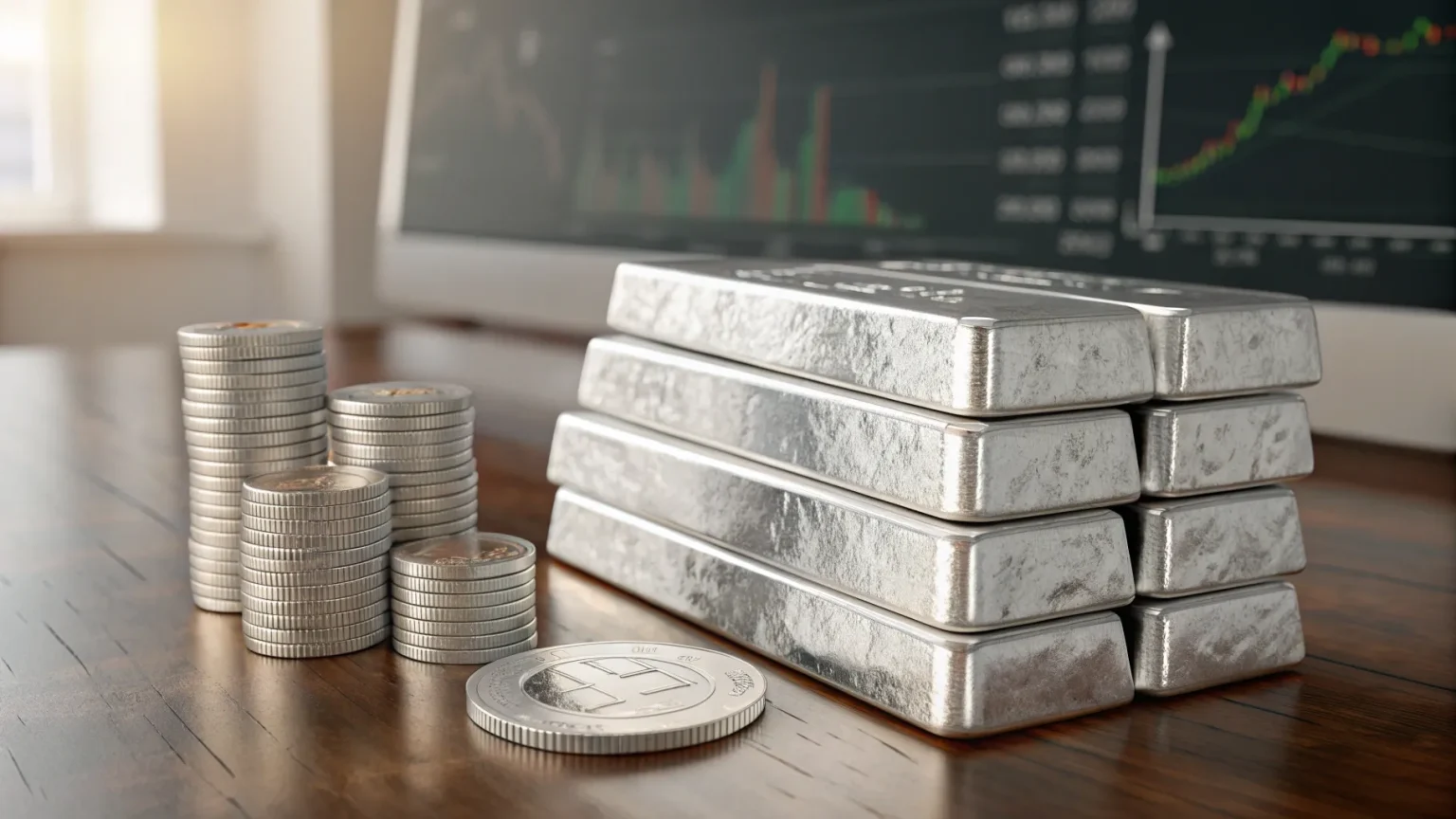
- Physical bars and coins offer direct exposure but require storage.
- Exchange-traded funds track spot prices and are easier to trade.
- Mining stocks add company risk and can move more than the metal.
- Futures allow leverage, which can magnify gains and losses.
Financial planners often stress costs and liquidity. Physical metal usually has wider bid-ask spreads. Funds carry fees. Stocks and futures come with market and counterparty risks. The choice depends on how quickly an investor may need to sell and at what cost.
Risk Cuts Both Ways
Silver’s price history shows sharp swings. Inflation can lift the metal, but other forces matter. A strong dollar often weighs on metals. Rising interest rates can do the same by making cash yields more attractive. Manufacturing slowdowns can sap industrial demand.
These cross-currents argue for caution. Investors who buy on headlines can face whiplash. A plan with clear goals, a holding period, and rebalancing rules helps manage these moves. Advisors often suggest setting bands for metals exposure to avoid emotional trades.
What Experts Are Watching
Analysts track a few signals. Inflation expectations in bond markets offer clues on sentiment. Central bank guidance sets the tone for rates and currencies. Manufacturing surveys hint at industrial demand. Solar buildouts and electronics orders can influence forecasts for silver use.
Gold-to-silver ratios also matter. When the ratio spikes, some see silver as cheap relative to gold. Others warn that ratios can stay elevated for long periods. The lesson is to avoid leaning on a single metric.
Case for Balance
Inflation hedging is one goal among many. Retirement timelines, income needs, and risk tolerance still lead the plan. A modest silver position can serve as insurance. It should sit alongside cash reserves, diversified equities, and high-quality bonds.
The broader message is discipline. Metals can protect during price spikes, but they can also fall when inflation cools. Long-term investors spread bets and rebalance when positions drift. That approach helps turn a theme into a strategy.
Inflation worries may wax and wane, but the search for stability remains constant. Silver offers one tool in that effort, pairing value storage with industrial ties. The key is sizing it well, picking the right vehicle, and knowing the risks. Investors will watch inflation gauges, rate moves, and factory demand. Those signals will shape whether silver’s renewed appeal endures or fades.


