

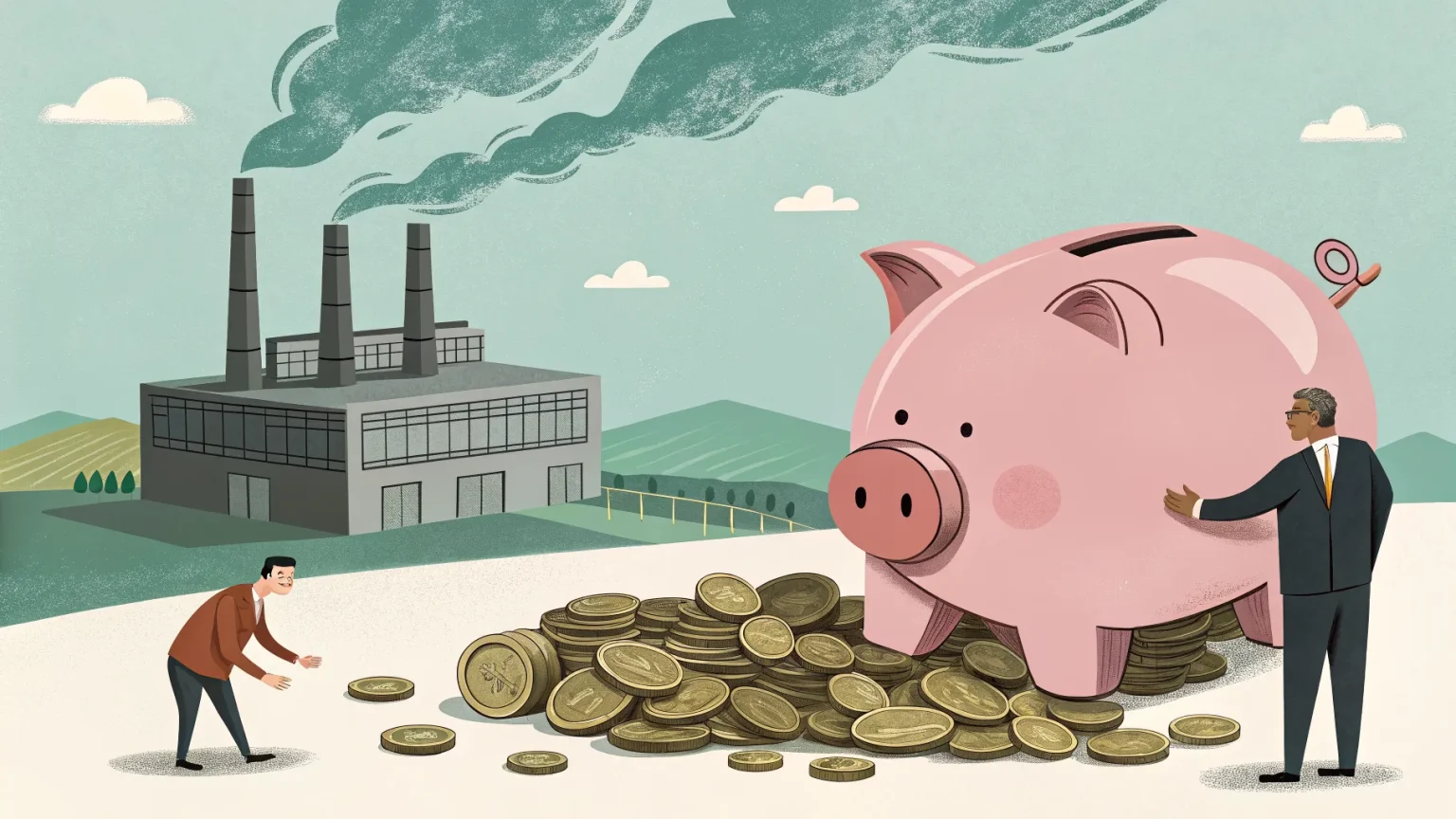
Money printing is not a growth plan. It is a tax on the unaware. My view is simple: wealth comes from value creation, not from fresh dollars poured into the system.
“The game of wealth comes from value creation.”
When the government spends what it doesn’t have, the bill shows up as higher prices and weaker dollars. Some service is delivered, sure, but in a sloppy, wasteful way. Inflation rises. Real value falls. Those who create value and own productive assets win anyway. Those who rely on cash in a savings account lose ground each year.
Value Creation Beats Money Printing
“If the government just says, ‘We’re going to ask the Fed to print more money so we can spend more money,’ it’s very inefficient.”
That inefficiency shows up in your grocery bill, your rent, and your retirement plan. The cash you worked for buys less. Yet there is a path to win. Increase your value and acquire assets that rise with inflation. Owners adjust prices, renegotiate contracts, and innovate. Savers hope the math will change. It won’t.
People ask why debt can be useful during inflation. Here is the plain truth: inflation erodes the value of dollars, including the dollars you owe.
“If I have a million-dollar loan and pay $75,000 a year, that hurts more this year than 10 years from now when the dollar is worth 50 cents.”
In that case, the future payment feels like $37,500 in today’s money. Same number of dollars. Far less purchasing power. Fixed-rate debt becomes lighter over time when prices rise.

How Inflation Punishes Savers and Rewards Owners
Savers lend money to banks for tiny interest. Owners buy cash-flowing assets that can raise prices with inflation. That is a different game. If you hold assets—real estate with solid rents, a business with loyal customers, royalties, or equity—you gain leverage. Your revenue can adjust. Your loan payment stays fixed. That spread is your edge.
Does this mean debt is always good? No. Stupid debt on weak assets is a fast way to pain. Smart debt on productive assets can protect you and even help you grow.
What To Do Now
Winning requires a shift in behavior, not a wish for better policy.
- Build skills that raise your income. Pricing power beats price pressure.
- Prefer assets that cash flow and can adjust prices.
- Use fixed-rate loans on productive assets, not toys or trips.
- Cut lazy cash balances. Keep reserves, then deploy the rest wisely.
- Review debt terms. Refinance to fixed rates when the math works.
Each move should improve cash flow, reduce risk, or increase control. If it does none of those, skip it.
A Quick Word on Critics
Some argue more spending boosts demand and jobs. Short term, yes. Long term, wasteful spending distorts prices and punishes workers through inflation. Others say debt is dangerous. True when rates float, cash flow is weak, or the asset stinks. Discipline beats dogma. Run the numbers. If it cash flows, it can carry the debt. If it doesn’t, don’t buy it.
My Stand
As an entrepreneur and investor, I’ve watched inflation punish the unprepared. Creators who solve real problems own the future. They out-earn inflation, structure deals that get lighter over time, and hold assets that rise with the tide. That is not luck. That is design.
“The people that learn to increase their value, own the future.”
This is not a call to gamble. It is a call to create, to price fairly, and to own what you know. Stop waiting for policy to save you. Build value. Buy cash flow. Fix your rates. Win on purpose.
Final Thought
Inflation is a storm, but it is also a teacher. It punishes passivity and rewards producers. Choose to be the latter. Audit your money moves this week. Shift idle cash into solid assets. Tighten your offers. Lock in fixed terms where you can. The dollar may weaken, but your decisions don’t have to.


