

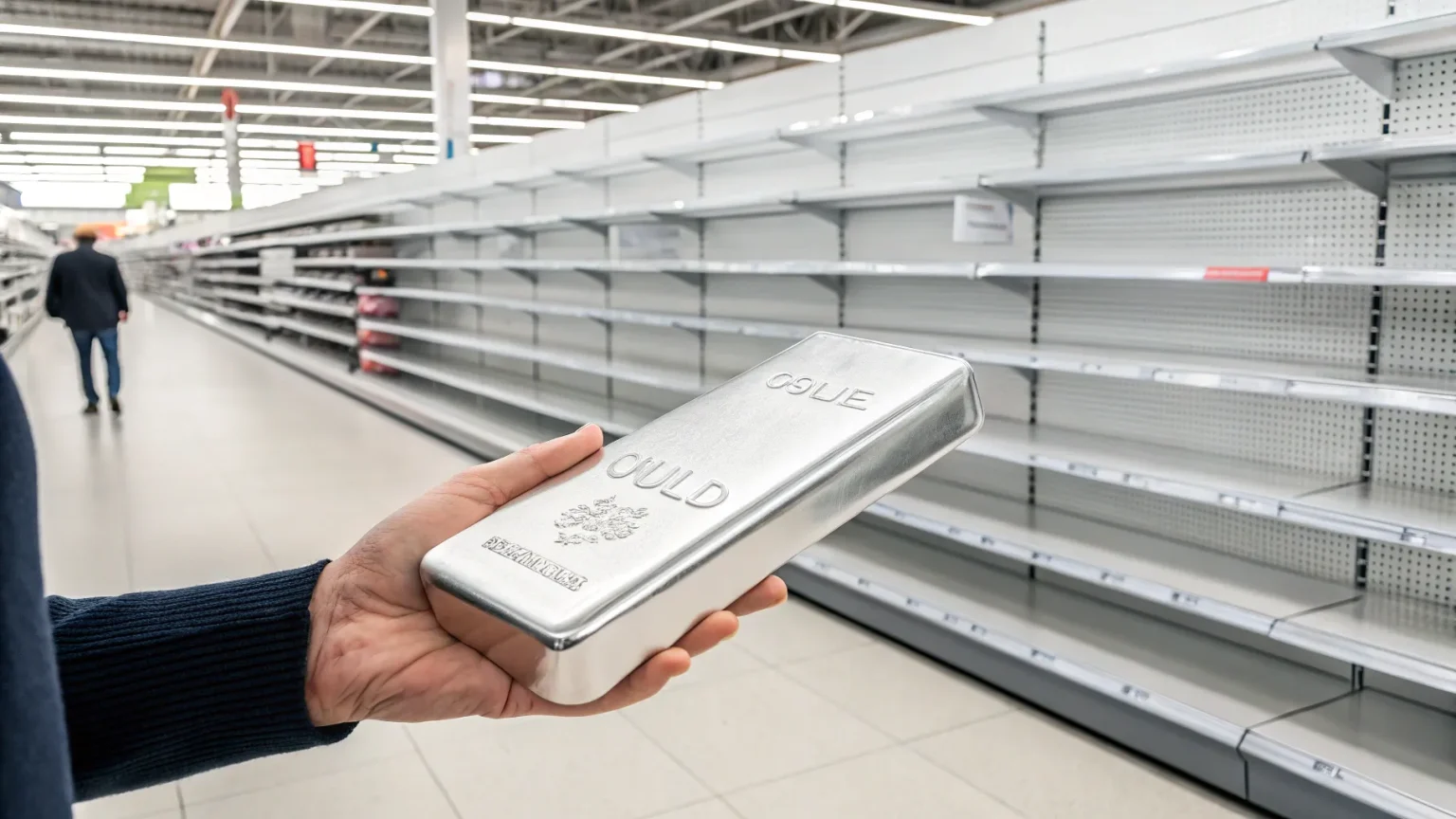
As shoppers face higher prices at the checkout, more investors are eyeing silver as a hedge against rising inflation. The metal, long seen as a store of value, is getting new attention from savers worried about eroding purchasing power. In a recent discussion, one speaker summed up the pitch simply:
“If you’re worried about increased inflation, adding precious metals like silver to your portfolio can be a smart choice.”
The comment reflects a wider shift toward assets that may hold value when prices climb. It also highlights a debate: Can silver really help protect a portfolio, and at what cost?
Why Inflation Is Back in Focus
Inflation reduces the buying power of cash and fixed-income payments. When prices rise faster than wages or yields, investors look for ways to keep pace. Precious metals have a history as alternative stores of value during such periods. Gold usually gets the spotlight, but silver often tags along because it is tied to both investment demand and industrial use.
Historically, silver has had bursts of strong performance during inflation scares. The 1970s saw large gains, ending with a spike in 1980. More recently, silver surged after the global financial crisis, then fell sharply. That record shows why the metal tempts investors but also why caution is needed.
Silver’s Appeal—and Its Risks
Supporters point to silver’s finite supply and its role as hard money. They also cite diversification benefits, since silver does not move in lockstep with stocks or bonds. Some investors prefer silver to gold because it costs less per ounce, making it feel more accessible.
But silver is volatile. Its price can swing more than gold because it is a smaller market with large industrial exposure. Demand from electronics, solar panels, and medical devices can amplify cycles. That means silver may rise with inflation at times, yet drop if factories slow or investor sentiment shifts.
Analysts warn that correlation with inflation is inconsistent. Silver can lag during certain periods, especially when the dollar is strong or real interest rates rise. There are also practical issues: storage for physical bars and coins, bid-ask spreads, and taxes on collectibles in some places.
How Investors Gain Exposure
Investors have several paths to add silver exposure, each with trade-offs:
- Physical silver: Coins and bars offer direct ownership but require secure storage and insurance.
- Exchange-traded funds (ETFs): Provide price exposure and easy trading, with management fees.
- Mining stocks: Offer leverage to silver prices but add company and operational risks.
- Futures: Allow precise positioning but involve margin and higher complexity.
Choosing among them depends on costs, risk tolerance, and the time horizon. Long-term savers often balance convenience and fees by mixing funds with a small share of physical holdings.
Balancing the Portfolio
Financial planners typically recommend measured allocations rather than big bets. A modest slice of precious metals can help diversify a portfolio heavy in stocks and bonds. Some suggest pairing silver with assets that respond differently to inflation, such as inflation-linked bonds, short-duration Treasuries, or a broader commodities basket.
One advisor cautioned that metals are not a cure-all, saying, “Silver can play a role, but it should not replace a plan.” The focus, they added, should stay on clear goals, emergency savings, and steady contributions.
What To Watch Next
Investors tracking silver often watch three signals. First, inflation expectations: if markets price in faster price gains, demand for hedges may rise. Second, real interest rates: higher real yields can pressure metals. Third, industrial trends: growth in solar capacity or electronics can lift demand for silver, while slowdowns can weigh on prices.
Long-term trends, such as energy transition policies and technology upgrades, may support silver use in manufacturing. But sudden shifts in policy or supply can reverse gains just as quickly.
For now, silver is back on watchlists as households look for ways to protect savings. The case is simple, yet the execution requires care. A small, well-chosen allocation can add diversification, but it should fit a broader strategy that factors in costs, volatility, and risk.
Bottom line: inflation concerns are driving fresh interest in silver. Careful sizing, clear goals, and a mix of inflation-aware assets can help investors stay prepared for what comes next.


