

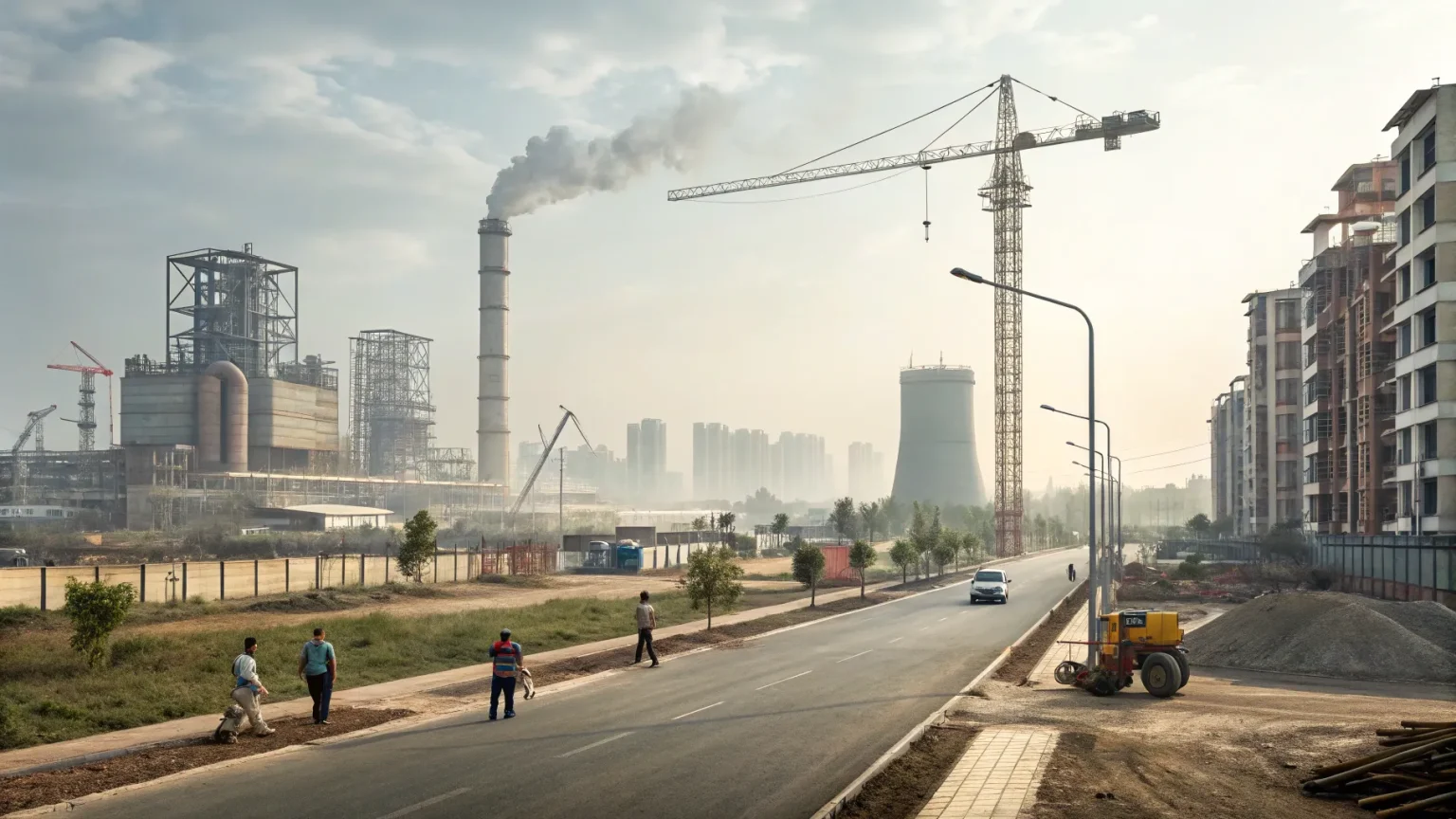
India’s industrial backbone posted a 1.8 percent rise in November, as stronger steel and cement output offset softer segments and signaled steady investment activity. The advance comes amid a continued public push to expand road networks and housing, two areas that rely heavily on basic materials.
The increase, though modest, matters for growth. The core sector tracks key industries and acts as an early guide to factory performance and investment momentum. November’s uptick suggests infrastructure building stayed on track as the year wound down.
What Drove the Gain
“In November, India’s core sector demonstrated resilience with a 1.8 percent increase in output. The rise is largely attributed to gains in the steel and cement industries, driven by an ambitious agenda for infrastructure enhancement in both roadways and housing projects.”
Steel and cement rose in response to project demand. Pre-stressed steel, structural steel, and rebar are central to bridges, expressways, and urban transit. Cement consumption typically climbs with highway construction and pre-festive housing activity.
Government capital spending has focused on logistics, connectivity, and urban renewal. Those programs tend to lift orders for basic materials before work at sites fully peaks. Private housing launches and ongoing urban projects have also supported deliveries.
Why the Core Sector Matters
The core sector covers eight heavy industries and carries significant weight in industrial indicators. It is closely watched as a signal for the Index of Industrial Production and for capital formation. When steel and cement move higher, it often reflects project execution on the ground.
- Industries tracked include coal, crude oil, natural gas, refinery products, fertilizers, steel, cement, and electricity.
- The group accounts for about 40 percent of the industrial basket by weight.
Because these industries supply inputs for construction, power, and manufacturing, a change in their output can foreshadow shifts in jobs, credit demand, and tax revenue. November’s reading points to steady site activity despite global uncertainty.
Signals From Steel and Cement
Stronger steel output hints at robust orders from roads, metro rail, industrial sheds, and warehousing. Analysts often see a positive link between public capital expenditure and flat steel demand. When tenders translate into site work, steel mills ramp up production.
Cement gains tell a similar story. Highway projects, rural roads, and housing drive bulk consumption. Seasonal factors can also help. The post-monsoon period typically sees faster pouring and paving before winter slows some regions.
Price stability in key inputs like coking coal and petcoke can further support margins and production plans. If input costs remain steady, producers are more willing to run plants at higher rates.
Risks and Counterpoints
Not every core industry moved in step in November. Energy-linked segments can face supply or price swings that weigh on output. Global demand remains uneven, which can affect refinery products and related exports.
There are domestic constraints as well. High borrowing costs can delay private projects. Land and clearance timelines can slow new starts. Weather and logistics bottlenecks can interrupt deliveries to sites.
Still, public infrastructure outlays often provide a floor for activity. When government projects continue, they can cushion softer areas and keep factories running.
Outlook: What to Watch Next
Market participants will track whether steel and cement strength carries into the last quarter of the fiscal year. Bid awards, project execution rates, and state-level spending will be key indicators.
Housing bookings and new launches could add support if affordability holds. Construction finance and inventory levels will also shape the trajectory of materials demand.
For a durable upswing, broader gains across the eight industries would help. Stable energy supply, steady input costs, and an improving global backdrop could lift the overall index.
November’s 1.8 percent increase shows steady footing rather than a surge. The materials-led advance ties back to road and housing work that is visible nationwide. If public spending and urban demand remain firm, the core sector could extend its gains into the new year. Continued monitoring of execution on major projects, along with trends in energy and prices, will guide expectations for industry and growth.


