

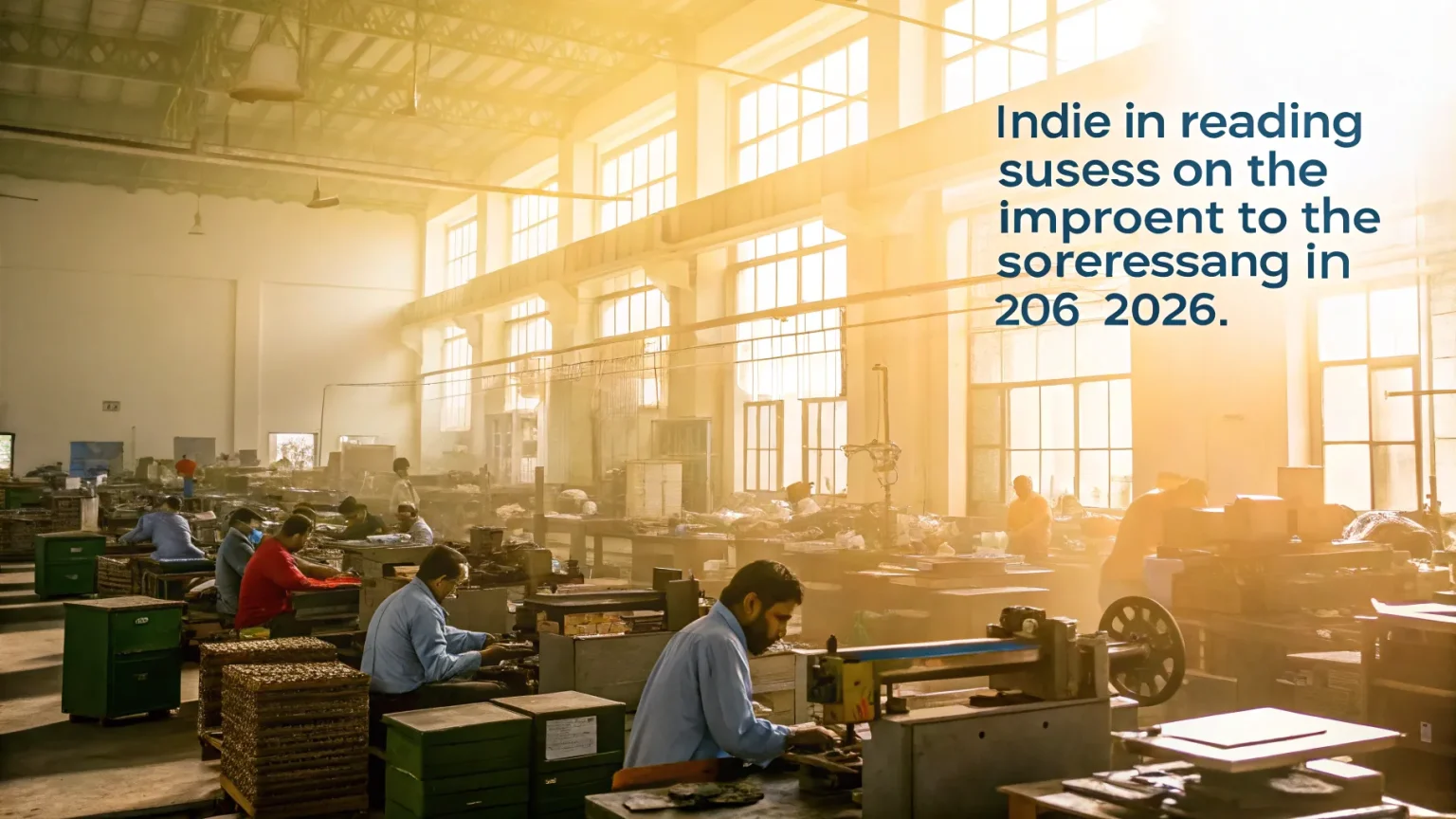
India enters its 2026 budget season with momentum building in factories and offices, as stronger household demand and rising investment lift growth expectations. Policymakers are preparing a fiscal blueprint that could shape jobs, prices, and the pace of development in the year ahead.
The budget, due in the first half of the year, arrives after steady gains in manufacturing and services. Analysts say the twin supports of consumption and capital spending have improved the outlook. Some forecasters are raising their projections, citing healthier order books and fresh project pipelines.
What Is Driving Momentum
Two forces are at work: people are spending more, and companies are investing in new capacity. Urban consumers are buying discretionary goods again. Rural demand is stabilizing as incomes recover and public works continue. Corporate balance sheets have improved, giving firms room to invest.
“As we move into 2026, India’s economic landscape is flourishing with notable strides in both manufacturing and services. The dual engine of rising private consumption and investment is propelling this success, leading experts to amend their growth predictions positively.”
Higher capital spending by the government in recent years helped crowd in private projects. Now, more sectors are seeing capacity expansion plans. Banks report healthier credit demand from industry and small businesses. This mix is feeding jobs and incomes, which cycle back into spending.
Manufacturing And Services Outlook
Factories tied to electronics, auto components, pharmaceuticals, and chemicals are seeing steady orders. Production-linked incentives introduced earlier in the decade supported select industries and exports. Supply chain shifts in Asia have also nudged multinational firms to source and assemble more in India.
On the services side, technology and business services continue to earn foreign revenue. Domestic services such as travel, healthcare, and finance are benefiting from pent-up demand and digital adoption. Together, these sectors are broadening the base of growth.
What The Budget Could Prioritize
With activity improving, the budget focus is likely to balance growth support and fiscal discipline. Economists expect attention on job creation, manufacturing depth, and relief for smaller firms. Stable tax policy and quicker project clearances remain business priorities.
- Capital spending on transport, energy, and logistics to ease bottlenecks
- Measures to deepen credit access for MSMEs and startups
- Support for skilling, apprenticeships, and women’s workforce participation
- Domestic manufacturing incentives tied to productivity and exports
- Green energy and efficiency programs to cut costs and imports
State governments may also get support for urban infrastructure, water, and housing. Such projects tend to have strong local job effects and can anchor private investment nearby.
Risks And Pressures To Monitor
Inflation management remains a priority. Food prices can be volatile, and global commodity swings affect input costs. A weak monsoon or external shocks could test household budgets.
Global demand for goods and services is another swing factor. Slower growth in key export markets would weigh on factories and technology services. Maintaining supply chain reliability and trade facilitation can help cushion those risks.
Fiscal Path And Reform Signals
Markets will watch the fiscal glide path, borrowing plans, and the quality of spending. A clear path to narrower deficits, paired with targeted capital outlays, would reassure investors. Steps to simplify compliance, improve contract enforcement, and speed approvals could lift private confidence further.
Reforms that strengthen logistics, energy reliability, and land availability would lower costs. Continued improvements in digital public infrastructure can expand access to payments, credit, and services for smaller firms and households.
Why Expert Sentiment Is Improving
Stronger demand, cleaner balance sheets, and a healthy project pipeline are influencing forecasts. Upgrades to growth expectations reflect more than a quarter or two of momentum. They indicate confidence that both engines—consumption and investment—are working together.
“The dual engine of rising private consumption and investment is propelling this success, leading experts to amend their growth predictions positively.”
The coming budget will test how policy can lock in these gains while keeping prices stable and debt manageable. A plan that sustains capital spending, backs jobs, and encourages private capacity could extend the upswing. The key signals to watch are the deficit target, the investment push, and steps that make it easier to build and hire.


