

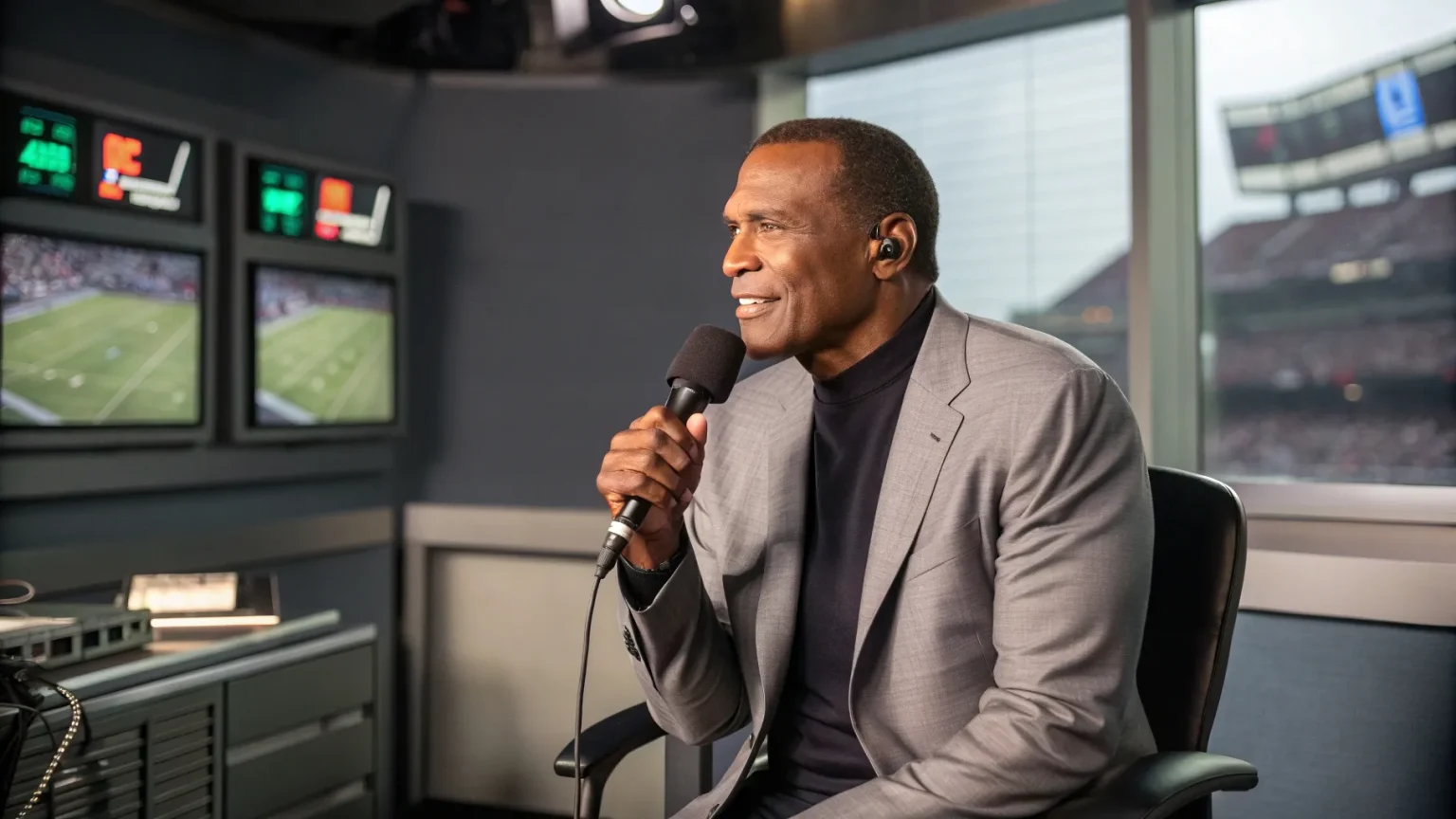
The football star who once led teams on the field is starting to lead conversations off it. After an uneven start in television, the iconic quarterback appears to be settling into the broadcast booth, winning over skeptics with sharper insight and a calmer voice on air.
In recent weeks, fans and industry watchers have taken note of the shift. The change follows a first year filled with scrutiny and high expectations. Now, with a season of experience, the broadcaster is showing better timing, clearer breakdowns, and more poise under pressure.
From Field General to TV Analyst
Former players often move into media after retirement. The path can look easy from the outside. It is not. Live television demands quick analysis, smooth delivery, and instant trust with viewers.
This quarterback entered the role with fame and a deep playbook. That did not shield him from a tough start. Early shows drew mixed reactions. Some viewers wanted more storytelling. Others wanted simpler terms. On-air chemistry takes time, and so does pacing between plays.
Now, the improvement shows in smaller moments. He lets the pictures speak, then adds a clear point. He draws lines on replays with purpose. He speaks to casual fans without losing the hard-core audience.
Early Struggles, Clearer Voice
“After a rough rookie year, the iconic quarterback is finding his rhythm as a broadcaster.”
The first season exposed common hurdles. Long pauses, crowded phrasing, and too much jargon can hurt the flow. The fix often comes from repetition, coaching, and a tighter prep routine.
Producers look for three simple things from any new analyst. They want concise setup, a memorable takeaway, and a human moment that connects. The quarterback is ticking more of those boxes this year.
Evolving On-Air Style
The shift is showing up in how he frames plays. Instead of listing every detail, he picks one or two keys and explains why they matter. He has started to use clearer language for protections, route concepts, and coverage tells.
He now leans on short, strong phrases. He adds context on coaching choices. He explains how a quarterback reads leverage before the snap. That approach helps viewers follow along without a rulebook in hand.
- Cleaner pacing between play and replay.
- Fewer technical terms, more plain speech.
- Sharper focus on one key per breakdown.
Balancing Star Power and Substance
Fame brings attention, but it also raises the bar. Audiences expect candor from stars who have been in the huddle. They want stories that feel real, not filtered. The quarterback has begun to share more sideline details and locker-room lessons, which adds warmth to his analysis.
There is also the matter of critique. Fans notice when former players go easy on friends or former teams. The strongest broadcasts show fair criticism without theatrics. Recent segments suggest a firmer stance, even on high-profile mistakes.
Industry View and Audience Expectations
Networks value analysts who can reach both casual and core viewers. That means plain language, strong game sense, and a steady presence during big moments. The quarterback’s improvement aligns with that checklist.
Audience habits also matter. Many fans now watch with phones in hand, scanning clips and commentary. Quick, clear points travel well on social media. When an analyst nails a 15-second breakdown, it can shape the day’s conversation.
What to Watch Next
Sustaining progress will depend on consistency. Big games bring stress and scrutiny. Postseason broadcasts can define reputations. If the quarterback keeps up the cleaner pacing and focused storytelling, trust will grow across the season.
There is room to expand as well. Features that break down quarterback mechanics, red-zone decision-making, or two-minute drills could become signature segments. Clear visuals and simple rules of thumb can turn complex plays into teachable moments.
The early verdict is encouraging. The former field leader is finding his TV voice, one drive at a time. If the current trend holds, the booth may become his new home field.


