

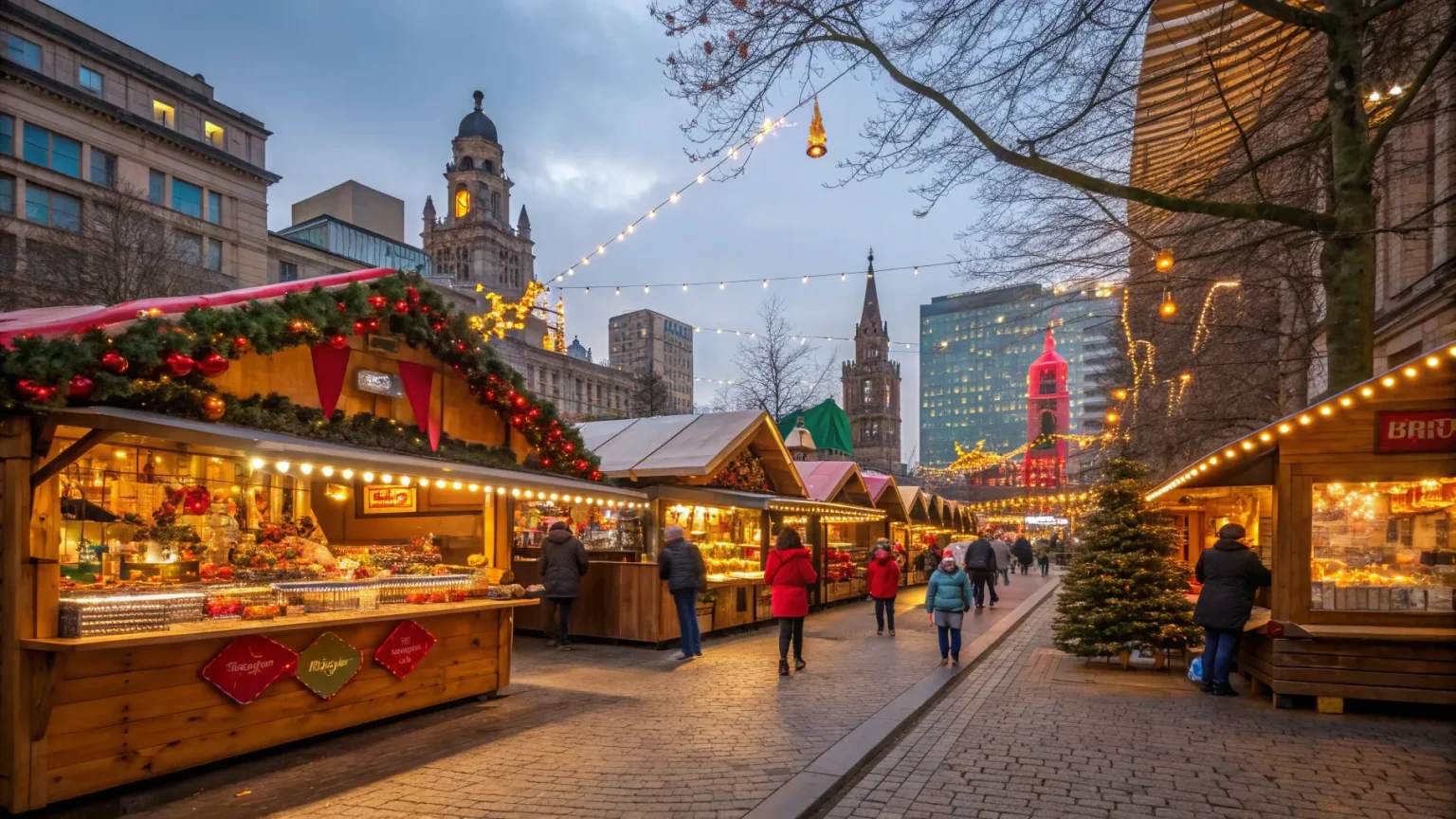
Christmas markets, once local winter fairs, have grown into global tourist magnets and economic drivers for cities across Europe and beyond. As the holiday season begins, city halls, small vendors, and travel firms are preparing for a surge of visitors and spending. The annual tradition has become a key winter strategy for urban centers, drawing travelers with food, crafts, lights, and a sense of place.
The markets’ rise is not new, but its scale is. Originating in medieval Europe, these events only reached mass popularity in the mid-20th century. They have since turned into a cornerstone of seasonal travel, hospitality, and retail.
From Medieval Fairs to Mass Appeal
Germany and Austria have long histories of Advent markets. Dresden’s Striezelmarkt dates to the 15th century, while Nuremberg’s Christkindlesmarkt became a symbol of holiday trade in the early modern era. For centuries, these were largely regional affairs serving nearby towns.
The turning point came after World War II, as cities rebuilt and consumption grew. Cheap flights, package tours, and car travel helped people cross borders with ease during winter months.
“It wasn’t until the 1960s, amid a postwar global consumerism boom, that Christmas markets exploded in popularity. Now they’re a major tourism boon.”
This shift linked old customs with a new travel economy. It turned seasonal fairs into multi-week attractions tied to city branding and cultural heritage.
Tourism Engine and Economic Impact
Christmas markets now anchor winter tourism campaigns. Hotels and airlines promote weekend breaks that feature market visits, ice rinks, and concerts. Restaurants extend hours. Museums plan night openings to catch the evening crowds.
Local governments see reliable gains from visitor spending on accommodation, dining, and transit. Small vendors also benefit. Many depend on December sales of ornaments, textiles, and handcrafted goods to support their year-round business.
While exact figures vary by city, major markets report millions of visitors during peak years. Smaller towns see notable lifts in foot traffic and retail sales. The effect often stretches to nearby neighborhoods, which welcome spillover diners and shoppers.
A Global Spread of a European Tradition
What began as a Central European tradition now spans continents. London, New York, and Tokyo host large markets modeled on German examples. North American cities install wooden chalets and hire European-style vendors to meet demand for “authentic” experiences.
The export carries both charm and pressure. Cities balance tradition with novelty to keep visitors returning. Some import well-known traders from Bavaria or Tyrol. Others commission local artisans to ensure regional flavor.
- Core attractions: mulled wine, gingerbread, sausages, and woodcrafts.
- Added draws: light festivals, ice rinks, and music stages.
- New features: contactless payments and timed entries at crowded sites.
Strains, Safety, and Sustainability
Growth brings challenges. Crowd control, public safety, and transport capacity demand careful planning. Cities now deploy barriers, bag checks, and one-way foot routes on busy nights.
Rising costs have also hit vendors. Higher fees for stalls, energy, and insurance can squeeze family businesses. Some markets offer tiered rates or local vendor quotas to protect diversity of traders.
Waste and energy use draw scrutiny. Organizers promote reusable cups, LED lighting, and local supply chains to cut emissions. Visitors increasingly look for clear signs of responsible practices.
Outlook for the Holiday Economy
Market organizers forecast steady demand as travelers seek festive trips close to home. The mix of culture, shopping, and open-air settings remains appealing during colder months when other events slow down.
Analysts expect more weekday programming to spread crowds and longer seasons that start in late November. Digital tools are also expanding, with mobile maps, queue updates, and online ordering for pickup at stalls.
Cities that invest in transit, safety, and vendor support are likely to keep the gains. Those that manage crowding and protect local character may stand out from copycat events.
Christmas markets are now part of the winter playbook for many destinations. They deliver economic activity, showcase crafts, and draw visitors during a slow tourism period. The tradition’s future will hinge on careful growth, fair vendor policies, and smart management of crowds and waste.
As the season opens, one thing is clear: these markets have become modern anchors of holiday travel, linking centuries-old customs with the needs of today’s city economies.


