

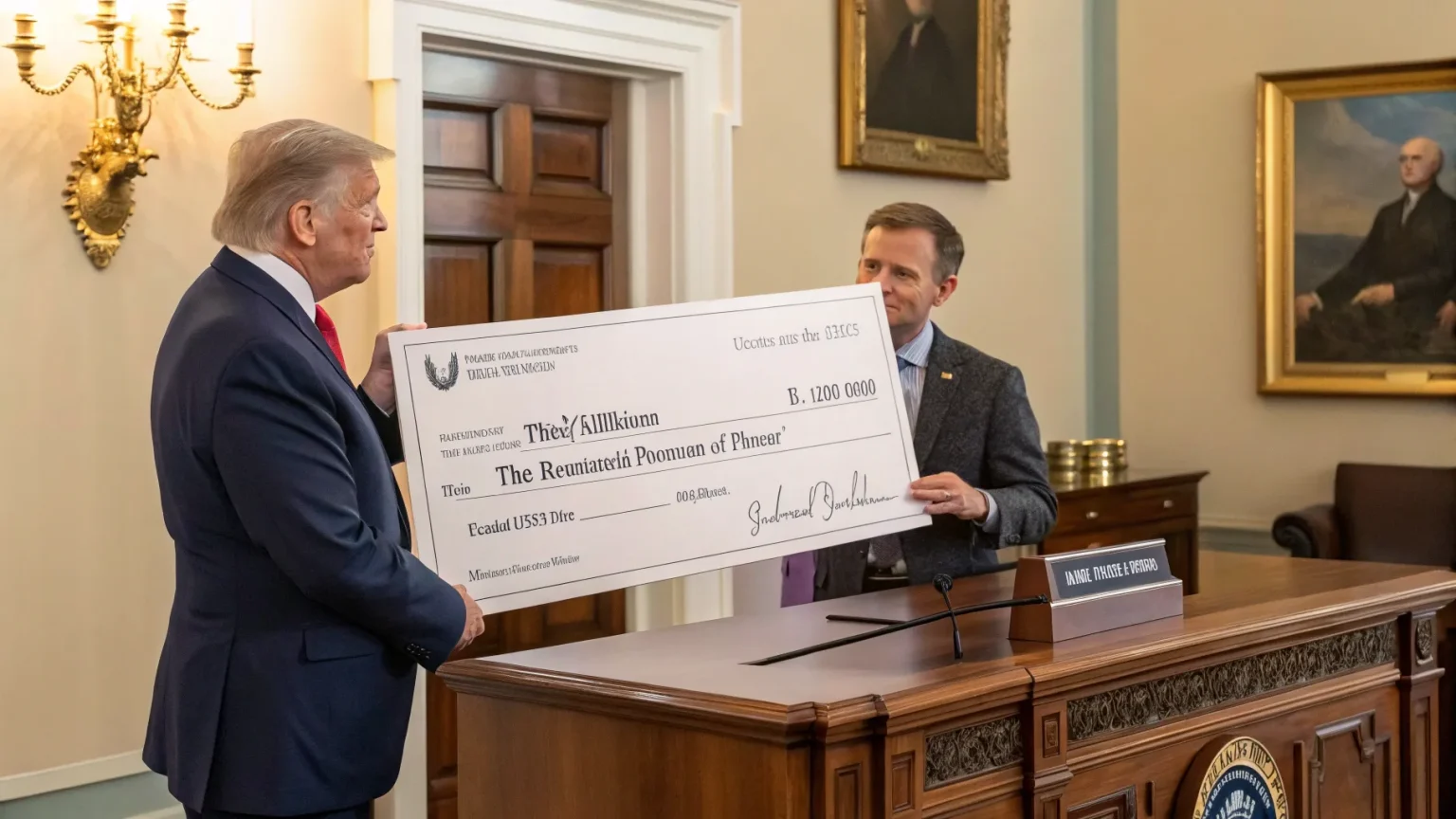
One of the country’s most persistent donors has given about $200 million to a wide range of causes, a sum that sets a high bar for private giving. The lifetime total, attributed to philanthropist Hal Jackman, signals sustained commitment at a moment when major gifts carry growing influence over public life. His approach, and the scale of his support, are drawing fresh attention to how private money can shape services, research, and culture.
Hal Jackman has donated about $200 million over a lifetime of giving to a host of causes. Here’s his view on philanthropy and more.
Large, multi-decade gifts help fund hospitals, universities, arts groups, and social programs. They also raise questions about accountability, priorities, and long-term impact. Jackman’s total places him among donors whose decisions can set agendas and expand access, but whose choices may also steer which ideas rise first.
A Legacy Built Over Time
Lifetime giving of this size rarely happens overnight. It reflects years of steady commitments, capital campaigns, and endowment support. By spreading contributions, donors can respond to changing needs while keeping focus on institutions they trust.
The phrase “a host of causes” hints at a broad portfolio. That often includes health care and education, which rely on private funds for labs, scholarships, and new facilities. It can also include community programs that support housing, food security, and youth services. When a donor sustains that mix over decades, the effects compound through matching funds and follow-on grants.
What Big Gifts Can Do—and What They Cannot
Major donations can stabilize organizations and accelerate projects that might otherwise wait years. They can launch research chairs, expand clinic capacity, or preserve arts spaces. At the same time, leaders warn against dependence on a single funder. Balanced budgets need diverse revenue streams and clear plans for when a grant ends.
Boards and executives often set guardrails to protect mission. They outline how money is spent, how results are measured, and what happens when priorities shift. These steps help align large gifts with community needs.
Debate Over Influence and Accountability
Supporters of major philanthropy argue that private capital moves faster than public budgets. They say it can test new ideas, then scale what works. Critics counter that big gifts can tilt attention to donor interests, leaving other needs behind.
Transparency is one answer. Clear disclosures, independent evaluations, and published outcomes help the public see what a grant achieved. So does shared governance, where community leaders help shape programs funded by large donors.
How Donors Are Rethinking Impact
Many long-time givers review strategy at regular intervals. They weigh direct service against policy work, and immediate relief against prevention. They may shift from naming rights to flexible funds that let organizations move money where it is needed most.
Another change is partnering with peers. Co-funding can spread risk and draw more expertise to complex issues. It also encourages common reporting standards, making it easier to compare results across programs.
- What outcomes will define success in three to five years?
- How will the grant support long-term operations, not only new projects?
- Which voices from the community informed the plan?
Why a $200 Million Total Matters
The headline number stands out for its scale and its durability. It reflects not just one check, but a pattern. For recipients, that can mean the confidence to hire, build, and plan.
It also sends a message to other donors. Public commitments often spur matching drives and draw in smaller gifts that keep programs running. When a prominent donor maintains support over years, it can encourage broader civic participation.
Hal Jackman’s lifetime giving highlights both the promise and the trade-offs of large-scale philanthropy. The figure signals deep engagement and a belief in private action for public benefit. It also renews calls for openness, shared priority-setting, and careful measurement. As institutions navigate tighter budgets and rising needs, watch for more donors to pair big checks with clearer goals, wider partnerships, and transparent results.


