

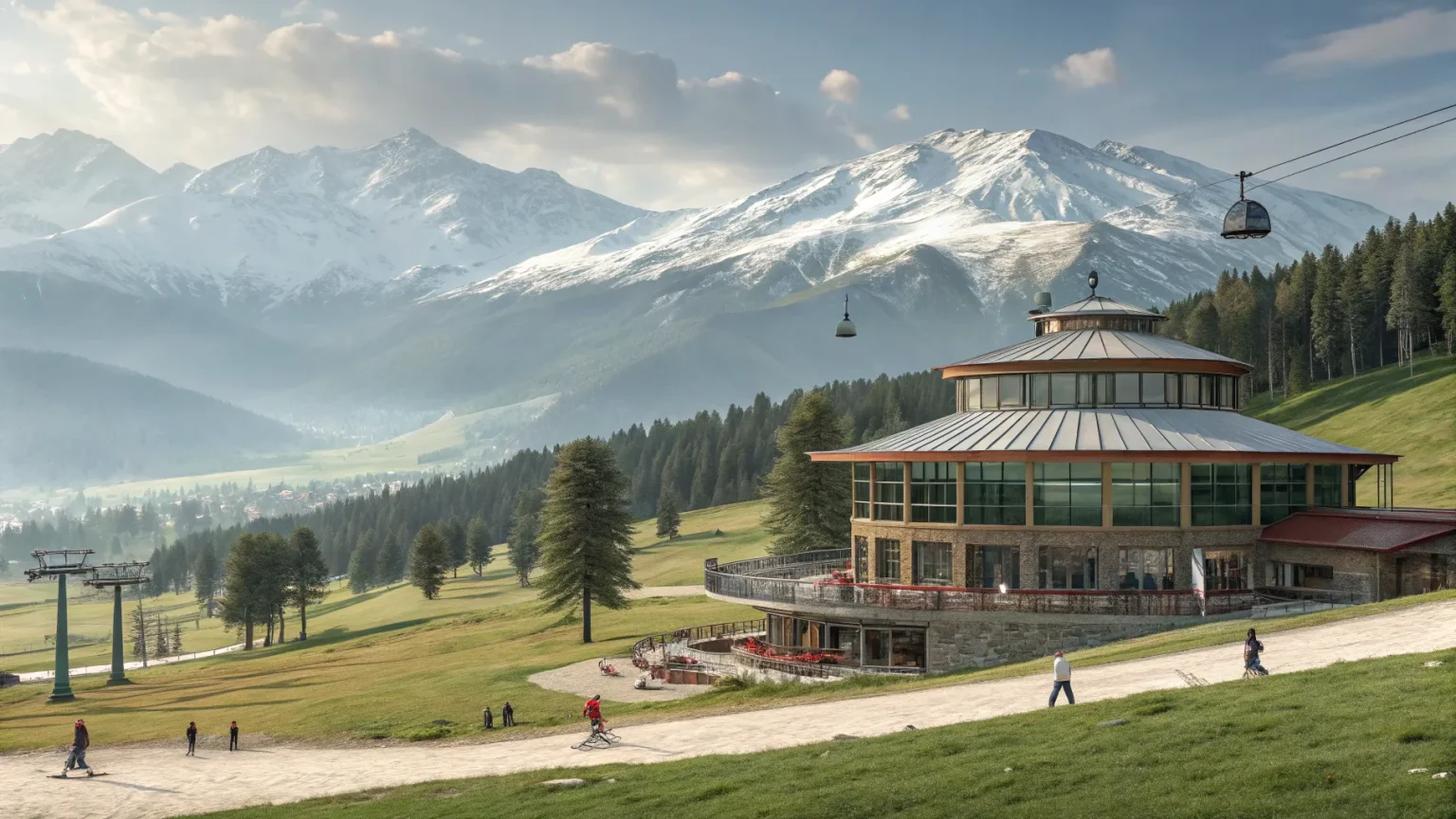
Jammu and Kashmir Chief Minister Omar Abdullah on Saturday opened a slate of new projects in Gulmarg to boost high-altitude tourism and winter sports. The launch introduced a revolving restaurant at Affarwat and a new ski drag lift at Kongdori, moves aimed at drawing more visitors and events to the Himalayan resort town.
The work was led by the Jammu and Kashmir Cable Car Corporation and the Department of Tourism. Officials say the additions will help Gulmarg compete with top ski and mountain destinations worldwide.
What Was Launched
The rollout focused on visitor services and sport infrastructure. The projects include a revolving restaurant and conference hall at Affarwat, known for sweeping views, and an extended ski drag lift at Kongdori for training and race events.
“The world’s highest revolving restaurant and Asia’s longest ski drag lift” are among the new additions, according to the launch announcement.
- Revolving restaurant and conference facility at Affarwat.
- Panoramic viewing areas designed for year-round appeal.
- New ski drag lift at Kongdori to support winter sports.
Abdullah said the effort strengthens Gulmarg’s position as a global tourism and adventure sports destination. The facilities are designed to attract both leisure travelers and sports federations.
Background and Context
Gulmarg has long been a winter draw for skiers and snowboarders, helped by the Gulmarg Gondola and steady snowfall. Summer hiking and meadow tours also bring visitors. State agencies have invested in cable car systems and basic services over the past two decades to support this growth.
The new restaurant at Affarwat sits at high elevation where weather can shift quickly. That setting offers dramatic views. It also tests operators on safety, maintenance, and supply planning.
The Kongdori drag lift adds capacity on a popular slope. It should reduce wait times and allow organized training, which coaches have requested for years.
Economic Stakes for the Region
Local business owners expect a rise in footfall during both winter and summer. Hotels and guesthouses near the gondola say advanced bookings tend to spike when new attractions open.
Tour operators argue that a conference hall at altitude will help bring small business events and media launches. That can extend stays beyond the usual two to three nights.
Vendors also point to seasonal jobs. The drag lift needs operators, ski patrol support, and instructors. Restaurants and transport services gain from longer operating hours and more visitors.
Environmental and Safety Questions
Environmental groups urge caution on carrying capacity. They warn that more traffic at sensitive heights can strain waste systems and disturb habitats. They ask for strict limits on daily visitors and stronger rules on litter and wastewater.
Safety experts focus on wind and avalanche control near Affarwat. They say equipment checks, weather monitoring, and trained staff are essential at these elevations. The state has not released technical manuals yet, but operators say standard operating procedures will be in place before peak season.
Local guides support growth but want better trail markings, first-aid posts, and clear emergency routes. They also ask for affordable access for residents who rely on the slopes for work.
Competitive Positioning and Future Plans
Officials hope the new features will attract regional ski races and training camps. The drag lift can support timed runs and beginner coaching on dedicated lanes.
Tourism planners say Gulmarg must spread demand through the year to stabilize incomes. The revolving restaurant and conference hall are meant to draw visitors even when snow is thin.
If the launch drives steady traffic, the state could add more services, such as shuttle links and guided packages. Stakeholders are watching booking data, slope usage, and off-peak travel to judge early results.
The unveiling marks a new phase in Gulmarg’s expansion as a mountain resort. The additions aim to blend leisure, sport, and business travel in one hub. Success will depend on careful operations, safety oversight, and protection of fragile alpine zones. The next test comes with winter arrivals, when the drag lift and high-altitude facilities face their first full season.


