

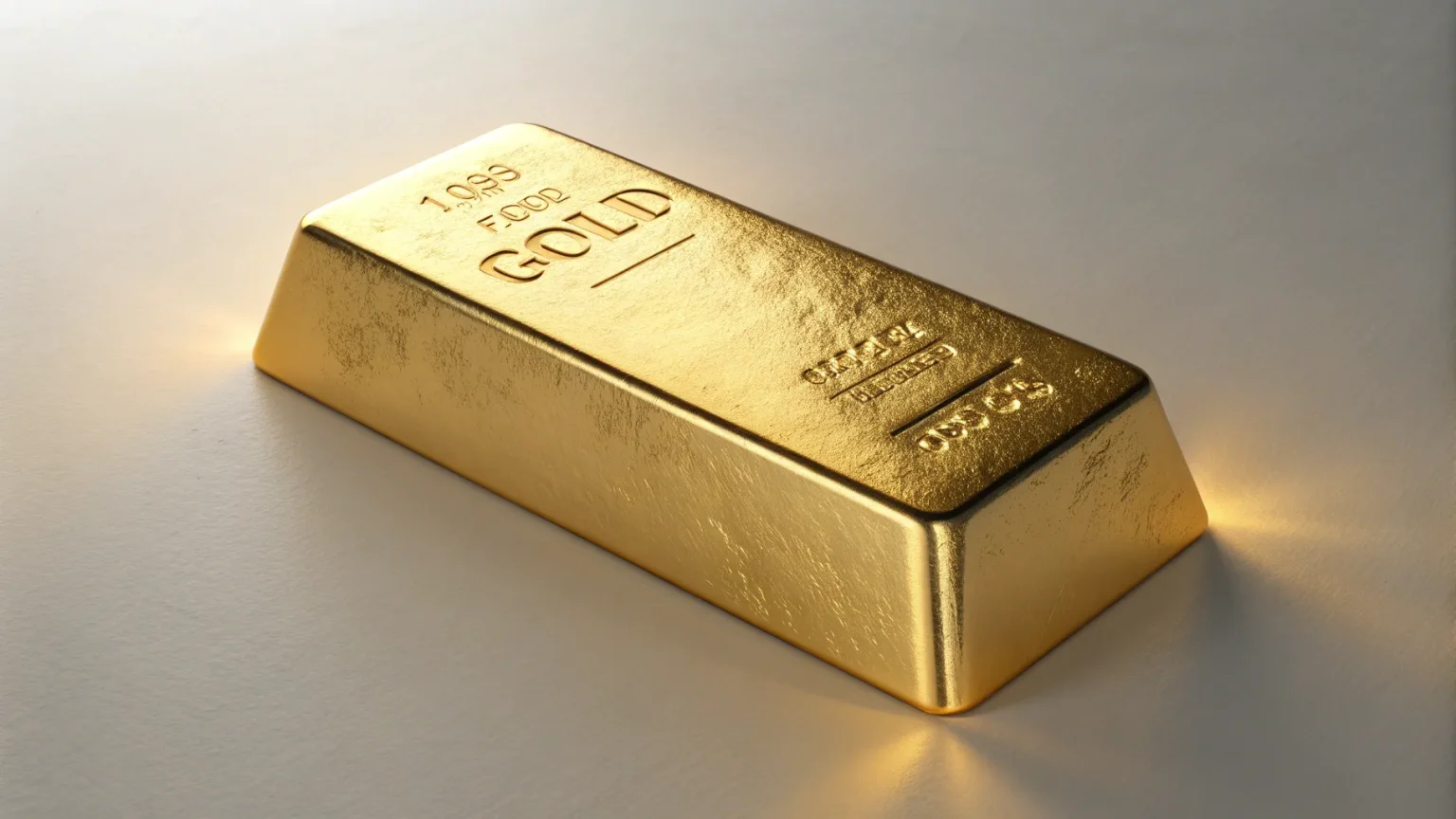
Spot gold is testing levels last seen late in 2025 as investors weigh fresh geopolitical risks and signals of Federal Reserve rate cuts. The move comes during a week of heightened headlines and cautious trading across global markets. Traders are seeking safety while parsing the path of U.S. policy and inflation.
“Spot gold is nearing its late 2025 high as geopolitics and Fed rate easing are in focus.”
The metal’s climb reflects renewed safe-haven demand and lower real yields. A softer dollar and expectations for easier policy have lifted interest in bullion. The shift has revived debate on how long the rally can run and what it means for currencies, commodities, and equities.
Why Gold Is Climbing Now
Gold tends to rise when policy makers reduce rates or signal they will. Lower yields reduce the opportunity cost of holding a non‑yielding asset. A weaker dollar often amplifies that move by making gold cheaper for buyers outside the United States.
Geopolitical headlines are adding to demand. Periods of uncertainty often push investors toward perceived stores of value. Market participants say discrete flare-ups and concerns about supply chains are feeding defensive positioning.
- Rate cut expectations are firming after mixed growth and inflation data.
- Global tensions have lifted safe-haven interest.
- Dollar softness and lower real yields support prices.
- Central bank buying remains a steady backdrop, according to recent public reports.
Historical Context and Recent Trends
Gold has staged several sharp rallies over the past three years as inflation surged, then cooled, while policy swung from aggressive hikes to a slower stance. In 2024 and 2025, central banks in emerging markets added to reserves, citing diversification. Investment flows into bullion-backed funds were uneven but turned more positive during bouts of market stress.
Late 2025 marked a high point for spot prices. Since then, investors have tracked each new reading on inflation and employment for clues on the timing and size of Fed cuts. Moves in gold have mirrored shifts in Treasury yields and the dollar index, highlighting the tight link to policy expectations.
What the Market Is Watching
Traders say the next direction depends on incoming U.S. data and any fresh geopolitical surprises. A steady decline in core inflation could give the Fed room to ease. That would tend to support bullion. Conversely, an upside inflation surprise could revive bets on tighter policy and slow the rally.
Physical demand from Asia, including jewelry buying and seasonal purchases, may offer a floor. Supply growth from miners remains sensitive to costs and permitting. Refiners and dealers report healthy interest when prices dip, suggesting buy-the-dip behavior is in play.
Implications for Investors and Industries
Higher gold prices are lifting shares of some producers and royalty companies, though moves are uneven. Jewelry margins face pressure if consumers resist higher tags. For macro investors, bullion offers portfolio diversification during policy shifts and conflict risk. Currency markets also react, as a softer dollar often tracks with firmer metal prices.
Insurance costs and hedging strategies are back in focus. Some wealth managers are advising modest allocations to precious metals as a hedge. Others warn that chasing price spikes can lead to drawdowns if tensions ease or data turn.
Risks and Counterpoints
The rally is vulnerable to a stronger dollar or a rebound in real yields. If inflation proves sticky, the Fed could delay cuts. That would likely weigh on gold. A rapid easing of tensions could also drain safe-haven demand.
Positioning is another risk. If speculative longs grow crowded, even small negative surprises can trigger sharp pullbacks. Investors with longer horizons often stagger entries to manage timing risk.
What Comes Next
Attention now centers on the next batch of U.S. inflation and jobs data, upcoming central bank meetings, and any policy clues in public remarks. Traders will also monitor central bank reserve disclosures and flows into bullion-backed funds for signs of sustained demand.
For now, the price action signals a market leaning defensive. The test of late‑2025 highs is a reminder that gold remains a barometer for policy shifts and geopolitical stress. If easing proceeds and tensions linger, support appears intact. If conditions calm and yields firm, the rally may pause. Investors will look for confirmation in data and policy statements in the weeks ahead.


