

As the U.S. aid apparatus reels from recent cuts, GiveWell is assessing whether to step in quickly to keep health services running in Cameroon. The nonprofit, known for channeling donations to the “most lives per dollar,” opened its process to public view as it weighed urgency against its careful research standards. The deliberation offers a rare look at how a data-driven grantmaker adapts when timelines shrink and stakes rise.
The core question is whether private philanthropy can fill gaps left by the retreat of publicly funded programs. GiveWell’s team reviewed a proposal to bolster health facilities in Cameroon, testing if the project could meet its bar for cost-effectiveness and transparency while moving fast enough to matter.
Background: A Data-First Charity Faces a Speed Test
GiveWell was founded to direct money to programs that, in its view, save or improve the most lives per dollar spent. The group built its reputation on deep evidence reviews, randomized trials where available, and careful monitoring. Its approach tends to favor proven public health efforts, such as malaria prevention and vaccine support, where outcomes can be tracked and priced.
“Save or improve the most lives per dollar.”
That method often means months of analysis. But aid disruptions can turn weeks into the difference between stocked clinics and empty shelves. The organization faced a compressed timeline, limited country-level data, and pressure to act without sacrificing the rigor that donors expect.
Inside the Decision: Rigor Versus Urgency
The team’s internal discussion centered on three issues: evidence, execution, and timing. Staff asked whether there was enough country-specific proof to justify the cost. They debated which implementing partners could deliver, and how quickly funds would translate to services at clinics.
- Evidence: Is there reliable data on effectiveness in Cameroon’s context?
- Execution: Which partners can purchase, deliver, and track support?
- Timing: Can funds reach facilities before service interruptions spread?
On the show, host Mary Childs walked through the back-and-forth as GiveWell weighed trade-offs. The team looked for measurable outcomes and clear reporting lines, while acknowledging that waiting for perfect data could mean missed opportunities to prevent harm.
They also considered whether to start with a smaller grant. A pilot could generate the local evidence they need, while limiting downside risk if assumptions prove wrong. But smaller grants can raise unit costs and delay scale, muting impact in the short term.
What Funding Could Mean for Cameroon
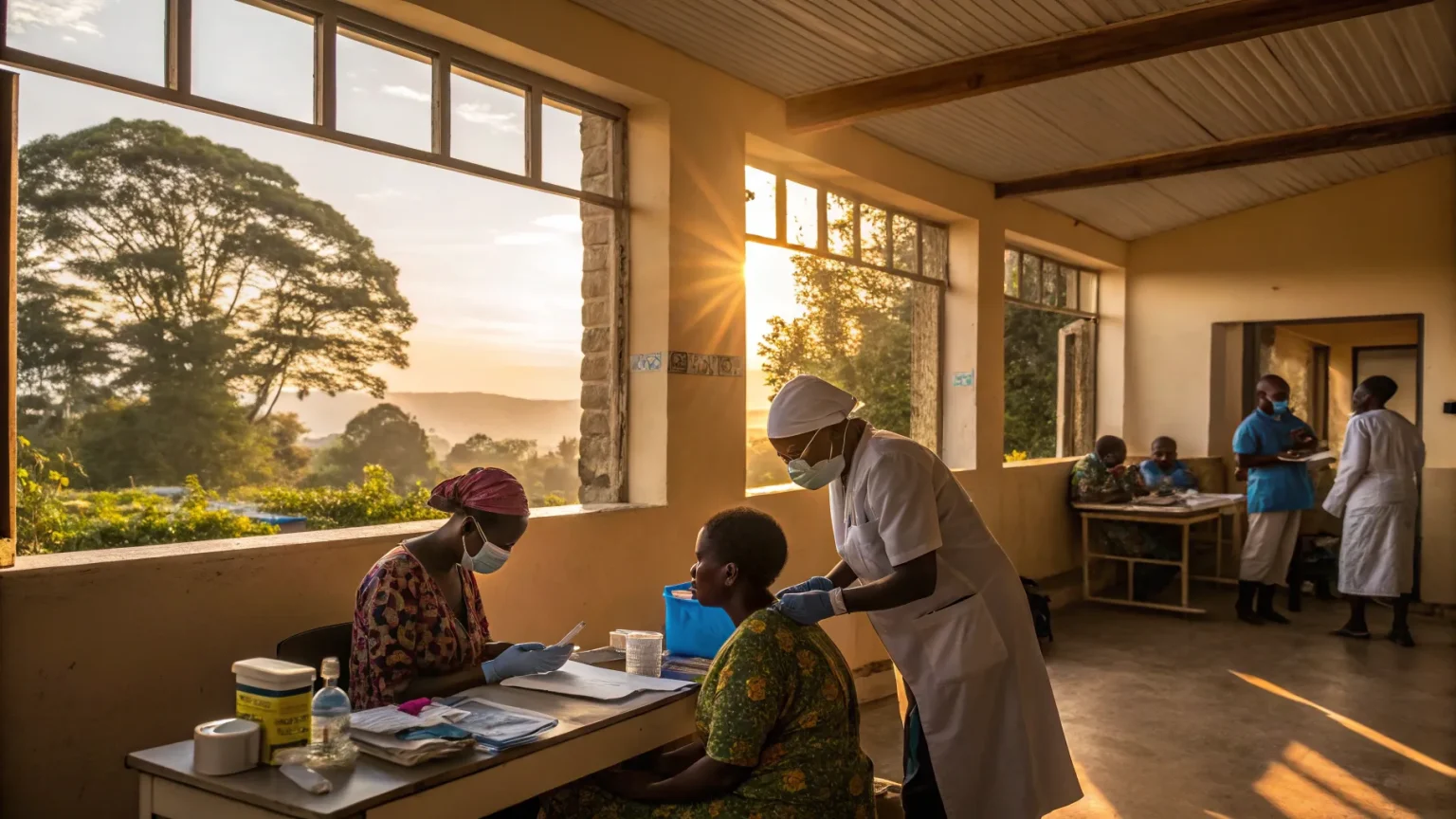
Health facilities under strain can face stockouts, staffing gaps, and limited operating hours. While specifics of the proposal were not detailed publicly, the aim is to keep essential services available and reliable. Success would likely be measured in clinic visits maintained, treatments delivered, and preventable deaths averted.
GiveWell’s standard practice is to compare outcomes to other funded options. If the Cameroon project can meet or exceed the impact of its existing portfolio, it stands a better chance of approval. If not, the organization may hold back, even amid urgency.
A Wider Debate Over Philanthropy Filling Aid Gaps
The case raises a broader question: should private donors replace government aid when it recedes? Supporters argue targeted grants can be nimble and keep vital programs alive. Critics warn philanthropy is no match for public budgets and can set uneven priorities without democratic oversight.
GiveWell’s process sits between these views. It does not aim to fund everything the public sector once covered; it funds only where the evidence and costs point to high impact. That can mean saying no when a project is worthy but less effective than the group’s best options.
What Comes Next
No specific figures or timelines were disclosed, but the organization signaled it is open to moving faster when the case is strong. The outcome will hinge on whether the Cameroon proposal can clear GiveWell’s cost-effectiveness thresholds and show credible, near-term delivery.
Listeners also heard how the team documents assumptions and revisits decisions as new data arrives. That feedback loop is central to its model and may shape whether this project stays a pilot or grows.
The decision will offer a clue to how far evidence-driven philanthropy can stretch during aid shocks. If GiveWell funds the effort, watch for early results, transparent reporting, and whether the group scales up. If it passes, expect a detailed explanation and a search for better bets, even under pressure.


