

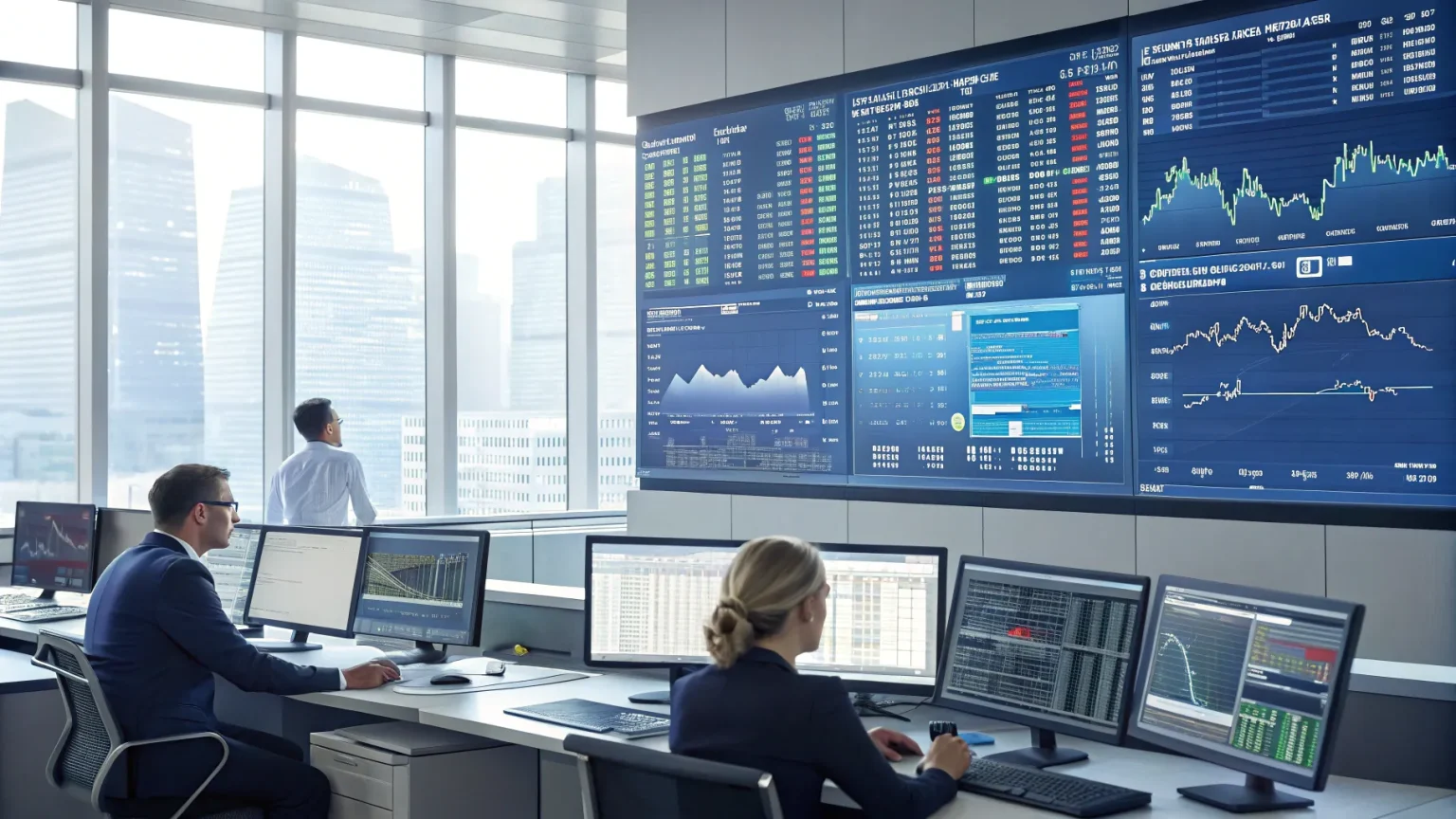
Before the opening bell, investors often zero in on five core signals that can shape the session ahead. The daily briefing framed it plainly: a focused checklist can guide risk and opportunity. The approach is clear about who it serves—traders and long-term investors—what it covers, and why it matters. It helps people sort headlines from noise as markets weigh earnings, policy, and global events.
“Here are five key things investors need to know to start the trading day.”
Morning checklists have a history on trading desks. They grew with electronic markets, when news started moving prices in seconds. This structure helps align teams, set expectations, and track catalysts. While the exact five items can change, the framework often repeats: sentiment, policy, earnings, commodities and currencies, and geopolitical risks.
Market Sentiment and Futures
Pre-market futures offer the first read on direction. Traders look at equity futures, bond yields, and volatility indexes. Rising index futures hint at positive sentiment. Falling futures signal caution.
Liquidity is thinner before the open, so moves can be sharp. A jump in the volatility index may warn that the day could be choppy. Many also watch sector moves in pre-market trading to spot rotation.
Policy Signals and Economic Data
Central bank policy remains a major driver. Rate decisions, meeting minutes, and speeches can sway everything from bank stocks to consumer names. When a policy maker hints at tighter or looser policy, rates and currencies react first.
Economic data can change the tone within minutes. Jobs, inflation, manufacturing, and retail reports often move markets at scheduled times. The timing matters. A report at 8:30 a.m. Eastern can rewrite the day’s plan in an instant.
Corporate Earnings and Guidance
Earnings set the stage for individual stocks and sectors. Results before the open can move indexes if the companies are large. Revenue quality, margins, and guidance often matter more than headline beats or misses.
Investors also listen for language on costs, hiring, and pricing. Executives who highlight stronger demand can lift peers. Cautious tone on the call can weigh on an entire group, even if the numbers beat estimates.
Commodities, Currencies, and Rates
Oil, natural gas, and metals affect energy producers, airlines, and industrials. A swing in oil prices can push inflation expectations and, in turn, bond yields. The dollar’s direction influences exporters and multinationals with overseas revenue.
Rates are the bridge between valuation and growth. Higher yields pressure long-duration assets. Lower yields support sectors that depend on financing, such as housing and autos.
Geopolitics and Event Risks
Global developments can turn a quiet session into a volatile one. Elections, trade talks, and conflicts often hit currency and commodity markets first. Supply chain updates from ports or key shipping routes can ripple across retail and manufacturing stocks.
Investors also watch regulation and antitrust actions. New rules can reshape pricing, costs, and strategy for tech, healthcare, and energy companies.
How Professionals Build a Morning Plan
Many start with a simple map for the session:
- Check futures, yields, and volatility for tone.
- Scan the calendar for data and policy events.
- Review earnings and guidance from market movers.
- Track key moves in oil, the dollar, and gold.
- Note any overnight geopolitical or regulatory updates.
This plan helps set entry and exit points. It also supports discipline. A trader can adjust size or timing when fresh data conflicts with the early read.
What It Means for Different Investors
Day traders may react to pre-market gaps and news spikes. Swing traders often focus on catalysts within the week, such as major reports or earnings cycles. Long-term investors watch the same signals but aim to confirm trends rather than chase them.
Diversification and risk controls remain central. Stop-loss orders, hedges, or smaller position sizes can manage uncertainty during event-heavy days.
The five-part checklist offers a steady method in a noisy market. It focuses attention on sentiment, policy, earnings, global pricing, and event risk. That structure does not predict the close, but it improves preparation. As new data arrives, the plan can shift, but the process stays the same. Investors should watch the calendar, listen for policy signals, and track the bellwethers that move sectors. The next trading day will bring fresh headlines, yet the same five questions will help frame the risk and the opportunity.


