

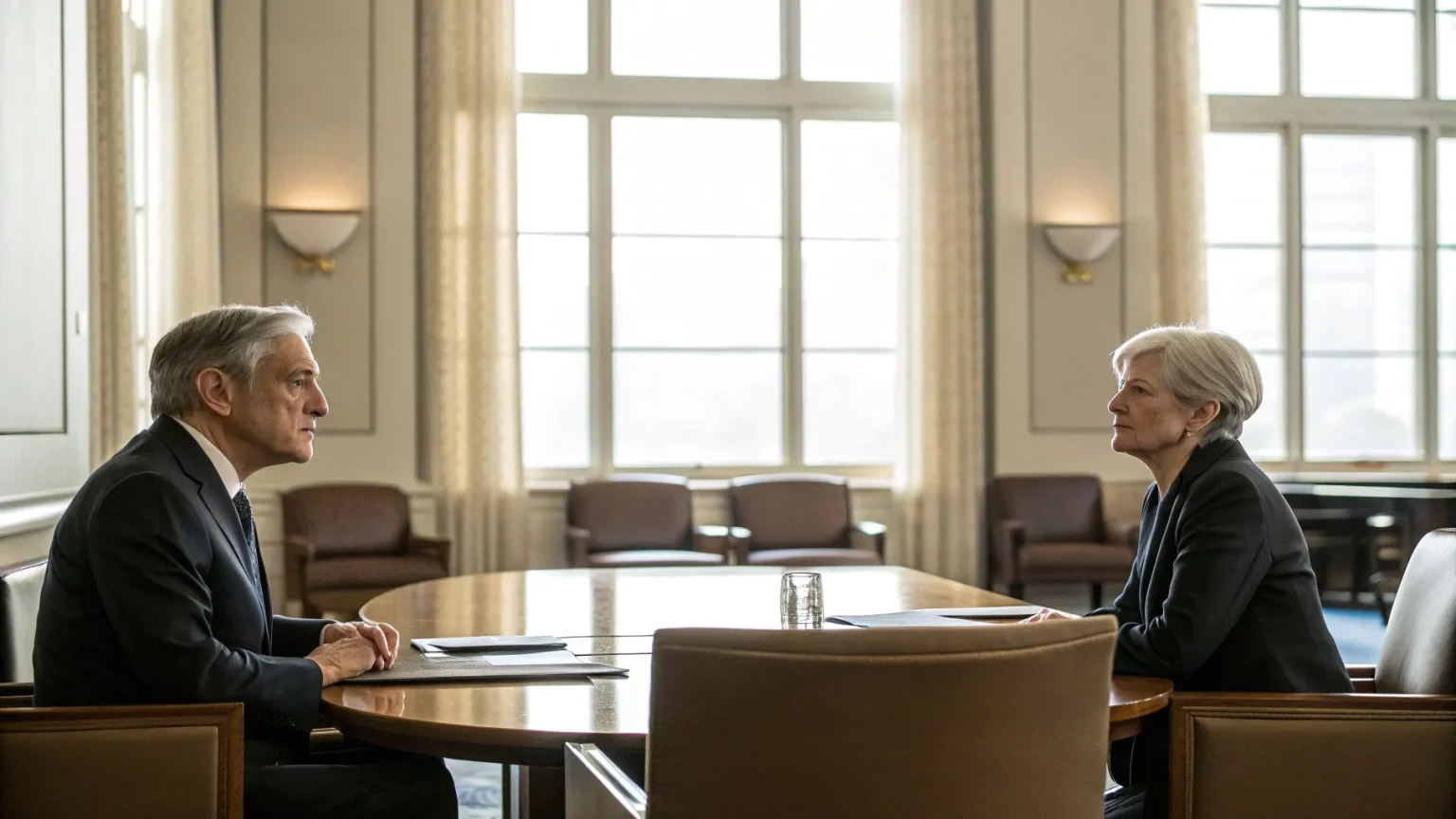
Two Federal Reserve policymakers broke ranks and backed an interest rate cut, a rare dissent that signals growing pressure to ease policy after a long fight against inflation. The votes, including one from a policymaker who formerly led Donald Trump’s Council of Economic Advisers, sharpened the debate over when to start lowering borrowing costs.
The split came as officials weigh cooling price growth against risks to jobs and credit. It also raises fresh questions for markets, businesses, and households that have endured high rates for more than a year.
A Rare Public Split
Dissents at the Federal Reserve are uncommon and often reflect deep concern about the path of policy. This split suggests that some officials see enough progress on inflation, or enough strain in the economy, to justify action now.
“Two Fed officials voted for a cut, including the former head of Donald Trump’s Council of Economic Advisers.”
Such a vote does not change policy on its own. But it can shape the direction of future meetings and guide how investors price the odds of easing.
Why Some Want a Cut Now
One side argues that inflation has eased from its peak and that real interest rates are rising as price growth slows. Holding policy steady, they say, tightens conditions even without another hike.
They also point to signs of cooling demand. Business surveys have softened in some regions, credit standards remain tight, and interest-sensitive sectors like housing and manufacturing face headwinds.
- Lower rates could reduce borrowing costs for mortgages, autos, and small business loans.
- Earlier action might protect hiring if growth slows further.
Supporters of a cut add that waiting too long risks a sharper downturn later. A gradual move now, they argue, could help guide the economy to a soft landing.
Why Others Urge Patience
Opponents of a cut warn that inflation, while lower than its peak, remains above the central bank’s target. They want more months of steady progress before easing, especially in services where price pressures can be sticky.
Some wage measures still run faster than pre-pandemic norms. Officials who favor patience say a premature cut could reignite price pressures and damage hard-won credibility.
They also note that consumer spending has held up in parts of the economy. With job growth still positive, they prefer clearer evidence that price gains are settling near target.
Policy, Politics, and Independence
The involvement of a policymaker who once led a White House economic team under Trump adds a political twist. It may draw attention to the vote, but the Fed’s mandate does not change: stable prices and maximum employment. The institution stresses independence and bases decisions on data and outlook, not party ties.
Past cycles show that dissent is part of healthy debate. In prior periods, including the mid-1990s and late 2010s, mixed votes framed turning points in policy without derailing the process.
What It Means for Households and Markets
Rate cuts, if they arrive, could ease pressure on variable-rate debt and new loans. They may also trim yields on savings accounts and certificates of deposit. For markets, the timing and pace of any easing will likely matter more than a single dissent.
Companies will watch financing costs and consumer demand. States and cities will track bond issuance costs. Homebuyers will look for relief in mortgage rates, though supply and pricing will still depend on local conditions.
What to Watch Next
The debate now turns on incoming data. Inflation readings in core categories, job growth, and signs of stress in credit will guide the next steps. The size and frequency of any future dissents will show whether the center of the committee is moving toward easing.
For now, the split vote sends a clear signal. The conversation inside the central bank is shifting from whether to cut to when and how fast. The next meeting, and the data before it, will be decisive.


