

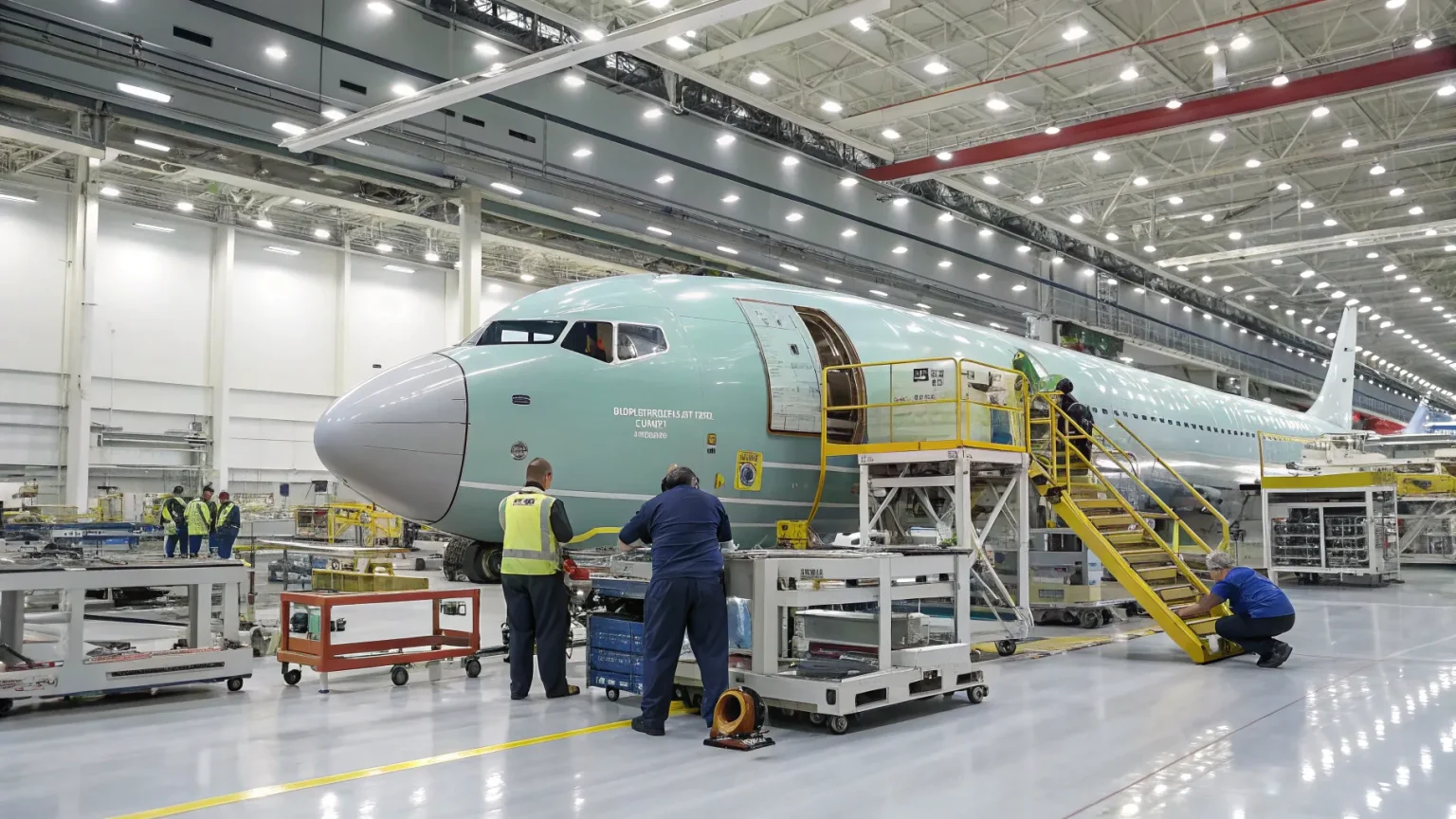
The Federal Aviation Administration moved to slow Boeing’s 737 Max production after a panel blew out midflight on a Max 9 in early 2024. The agency limited output to 38 jets per month, seeking time for deeper oversight and quality checks. The decision signaled a renewed focus on safety and manufacturing control at one of America’s largest exporters.
The cap followed an incident on a nearly new jet that triggered emergency inspections and rattled traveler confidence. Regulators and airlines pressed Boeing for stronger controls, while suppliers braced for delivery adjustments. The move also raised questions about how quickly Boeing can stabilize its factories and meet airline demand.
Safety Action After Midair Incident
“The FAA had capped Boeing’s production at 38 a month in early 2024 after a door plug blew out of a nearly new 737 Max 9.”
The midair panel failure led regulators to restrict output while auditing factory practices. The FAA’s cap aimed to prevent production pressures from outpacing safety checks. The order put near-term growth plans on hold until the company addresses findings and proves steady quality.
How the 737 Max Reached This Point
The 737 Max program has faced intense scrutiny since two fatal crashes in 2018 and 2019. The global fleet was grounded for nearly two years, while software and training changes were developed and tested. The model returned to service with new oversight requirements and a promise of tighter controls.
Recent years brought fresh manufacturing issues. Quality lapses involving fuselage parts and fittings surfaced at suppliers and in final assembly. Investigators examined how a panel known as a door plug was installed and verified. The FAA increased on-site presence and signaled it would not approve faster output until quality improved.
Impact on Airlines, Travelers, and Suppliers
For airlines awaiting new jets, the cap created delivery delays and schedule adjustments. Carriers relying on the Max for growth had to swap aircraft, extend leases, or trim plans. Travelers may see limited schedule changes on certain routes if aircraft utilization remains tight.
Suppliers faced the ripple effect of slower production. Tiered manufacturing networks typically align staffing and parts orders with factory rates. A sustained cap can pressure margins and cash flow across the chain.
- Fewer monthly deliveries can slow airline fleet renewal plans.
- Parts suppliers may cut overtime or shift resources to maintain efficiency.
- Maintenance providers could see extended work on older aircraft.
What Regulators Want to See
Regulators have pressed for clear root-cause analysis, documented fixes, and proof that changes hold under real factory conditions. That includes training, tooling, inspection plans, and reliable records. Audits typically check whether work instructions are followed and whether deviations are caught before delivery.
Industry analysts expect any production increase to be gradual. The FAA has said safety will set the pace. Until the agency is satisfied with quality controls, output is likely to stay capped.
Boeing’s Path to Stability
For Boeing, near-term goals include strengthening oversight of critical installations, improving supplier coordination, and simplifying rework flows. The company must also rebuild trust with airlines, crews, and passengers. Consistent delivery performance and transparent updates will be key.
Suppliers, including fuselage partners, need steady schedules and clear engineering standards. Shared digital records and more frequent inspections can help catch defects early. Industry veterans say predictable, stable production often reduces errors and rework.
What to Watch Next
The next milestones will involve audit outcomes, pace of design or process changes, and how quickly regulators lift limits. Airlines will track delivery schedules and reliability data. Investors will watch cash flow, given that deliveries drive payments.
Passenger confidence will depend on clear communication and steady operations. Safety data over the next several months will matter more than promises. The cap keeps pressure on improvement while preserving needed oversight.
The FAA’s limit sent a simple message: slow down and get it right. The coming months will show whether lasting fixes take hold and whether production can rise without cutting corners. If quality gains stick, deliveries can resume a higher rate and fleets can grow on a firmer footing.


