

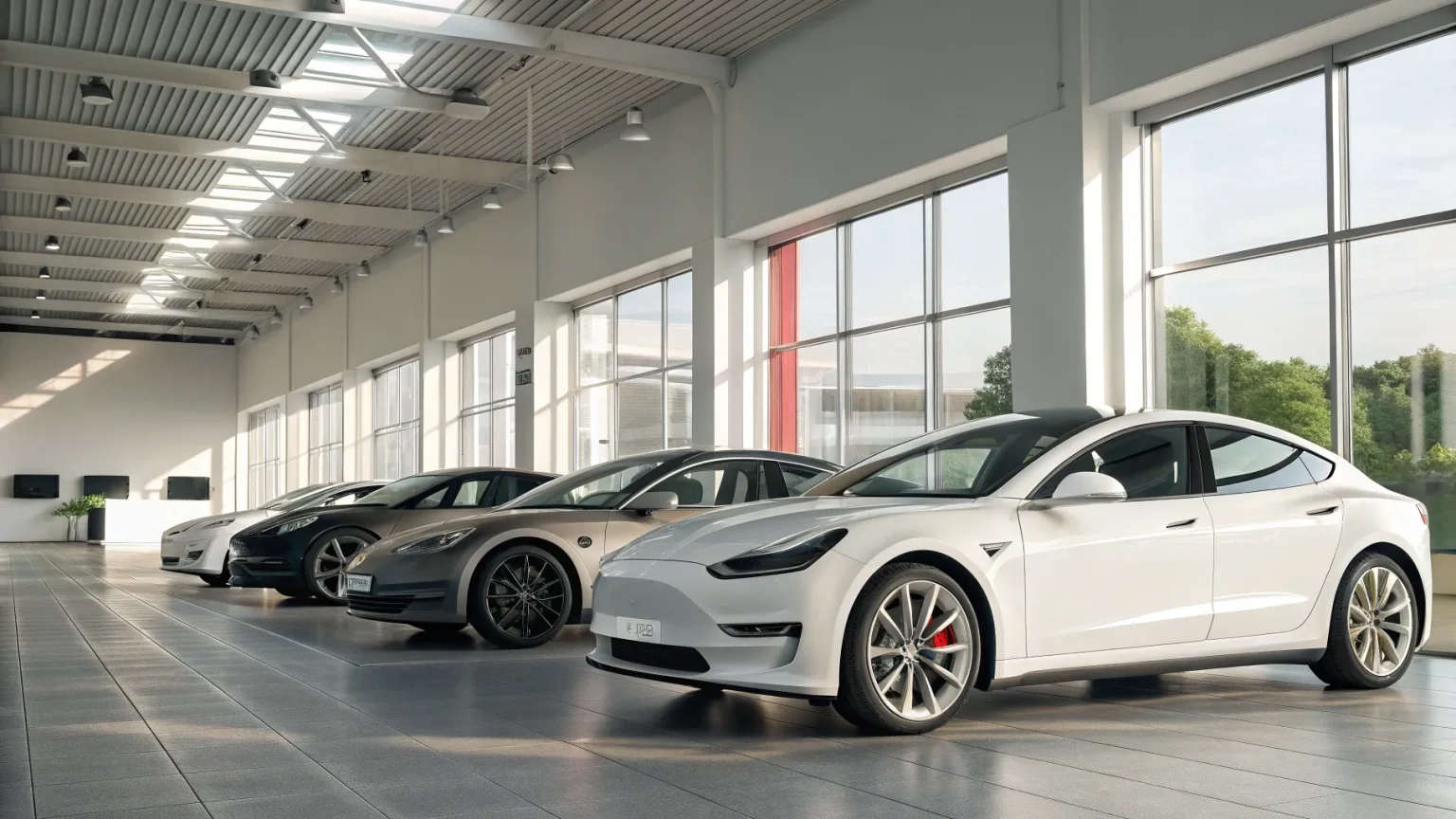
Electric vehicle sales slowed in October as federal tax incentives expired, yet automakers gathering at the Los Angeles Auto Show signaled confidence that demand will rebound. The shift comes as shoppers reassess purchase timing and companies adjust pricing and production plans in a key U.S. market.
“Electric vehicle sales dropped in October after federal tax incentives expired, but manufacturers at the Los Angeles Auto Show remain optimistic about the future of EVs.”
The timing matters. October is often a barometer for year-end buying, and the show floor in Los Angeles sets the tone for the new model year. The event also puts price and charging concerns under a national spotlight while carmakers pitch their next wave of models.
How Incentives Shape EV Demand
Government incentives have long helped narrow the price gap between electric and gasoline models. When those incentives lapse, buyers often delay purchases or switch back to conventional options. Analysts describe a “pull-forward” effect before incentives end, followed by a short dip.
That pattern has appeared in several markets when subsidy rules changed. Consumers rush to buy ahead of a deadline, then pause as prices reset. Automakers typically respond with targeted discounts, lease offers, or dealer incentives to keep sales moving.
Charging access and interest rates also affect timing. Higher monthly payments and limited home charging can tip borderline buyers away from an EV without a tax break to close the deal.
Automakers Project A Rebound
Company representatives at the show pointed to a fuller product lineup, falling battery costs, and expanded charging as reasons for optimism. Many new models arrive next year in popular segments such as compact SUVs and pickups, areas where shoppers have strong interest.
Executives also highlighted more flexible financing and leases that can pass savings to customers even without federal support. Some brands are using price cuts on entry trims to keep monthly costs in reach. Others are emphasizing certified used EVs to bring first-time buyers into the market at lower prices.
Dealers say test-drive demand remains steady. Shoppers still ask about winter range, resale value, and charging time, but they also see lower maintenance costs and home charging as clear benefits. The right mix of inventory and transparent pricing could convert that interest into sales.
Signals From Other Markets
Past policy shifts in Europe and parts of Asia led to short-term sales dips, then recovery as prices adjusted and charging improved. While markets differ, the pattern suggests October’s slowdown may be temporary. As manufacturers scale North American production and add lower-cost chemistries for batteries, sticker prices are expected to keep easing.
Fleet buyers can also provide a cushion. Delivery firms, utilities, and municipalities often buy on multi-year plans and are less sensitive to month-to-month changes in incentives. Their orders help stabilize factory output and supplier planning.
What To Watch Next
- Automaker incentives and lease programs that offset the lost tax break.
- Inventory levels for high-demand segments, especially compact and midsize SUVs.
- State and local rebates that can fill part of the federal gap.
- Charging buildout milestones on key highway corridors.
- Financing costs and how they affect monthly payments.
Price, Policy, and Consumer Choice
Price remains the decisive factor for many buyers. Incentives can make or break a deal, but so can dealer discounts and attractive leases. Policy predictability matters for both shoppers and factories. When rules change with little notice, it adds friction to an already complex decision.
Automakers at the Los Angeles show are betting that broader choice and better charging will keep the shift to electrification on track. They argue that new models, competitive pricing, and clearer ownership costs will bring hesitant customers back to the showroom.
The October dip shows how sensitive the market is to policy timing, but it does not erase longer-term trends. Look for holiday deals, state-level support, and new model launches to test the strength of demand into winter. If pricing holds and charging access keeps improving, sales could stabilize in early 2025, setting the stage for steady growth as the next wave of EVs arrives.


