

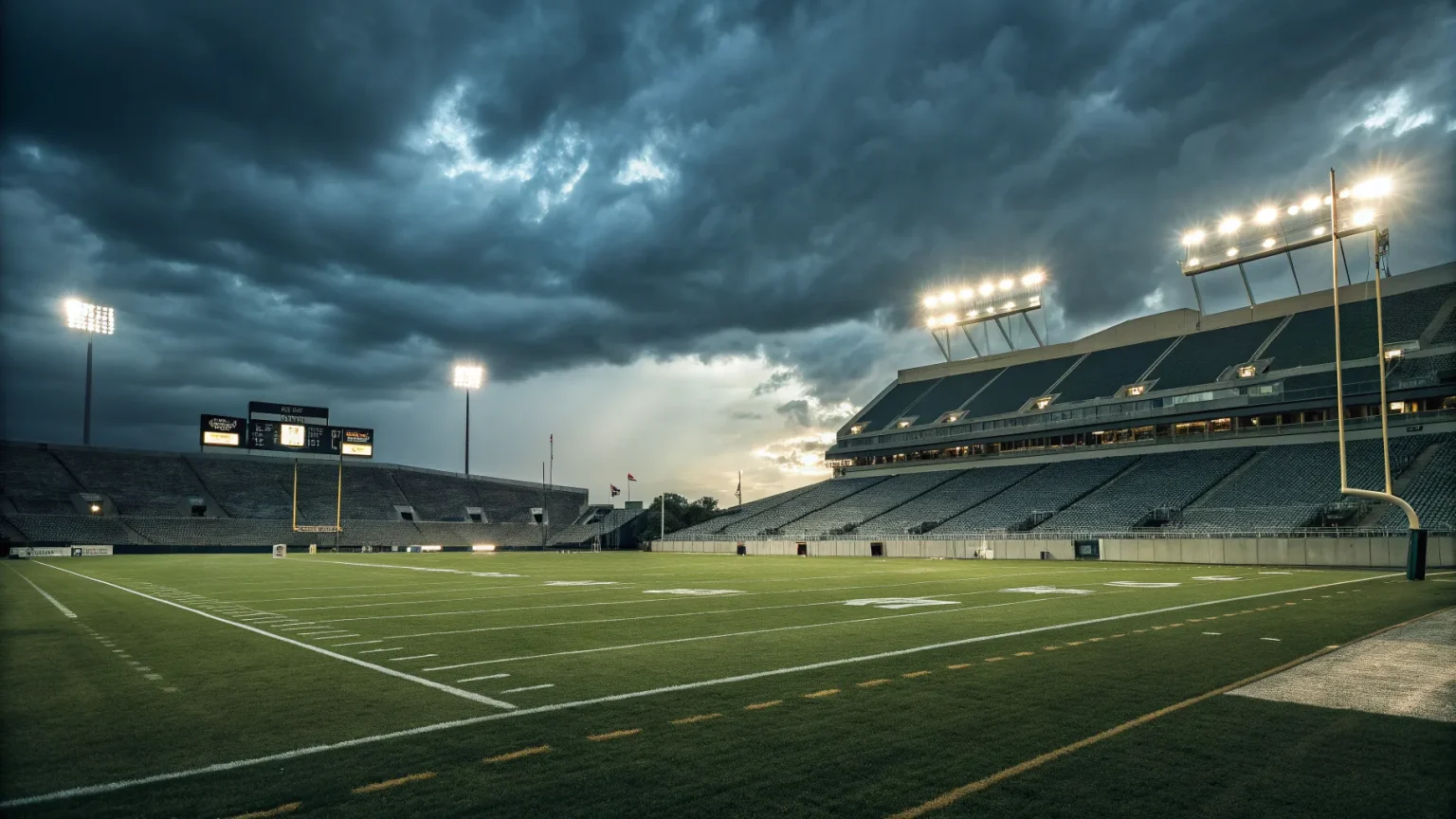
Millions of TV viewers could lose access to a marquee NFL game as Disney and Google negotiate a new carriage deal for YouTube TV. The talks arrive as the season moves into the heart of its schedule, raising concerns for fans, teams, and advertisers who rely on live football.
The dispute centers on the rights to carry Disney-owned networks, including ESPN, which airs Monday Night Football. Without an agreement, YouTube TV subscribers may face another blackout during a prime-time game. Advertisers who bought space expecting high reach could also see plans disrupted.
“Football fans with YouTube TV may miss another ‘Monday Night Football’ matchup as Disney and Google negotiate, and advertisers are also out of luck.”
What’s at Stake for Viewers
Live sports are one of the main reasons people pay for TV bundles. Monday Night Football is a major draw, often averaging some of the week’s largest audiences. If ESPN goes dark on YouTube TV, subscribers could lose a national game and related studio shows.
Blackouts strain customer loyalty. Some viewers will consider switching services if a resolution does not arrive in time. Others may look for highlights on social platforms, which dilutes the value of the original broadcast.
- Viewers risk missing the live game and pregame coverage.
- DVR recordings will not work if the channel is unavailable.
- Local bars and venues may struggle to confirm availability for watch parties.
How Carriage Fights Work
Carriage negotiations are a routine feature of pay-TV. Programmers seek higher fees for their channels. Distributors aim to keep costs down to limit subscriber churn. When talks stall, channels can go dark until a new deal is signed.
These fights have become more frequent as cord-cutting accelerates. Fewer paying households mean each remaining subscriber becomes more valuable. That dynamic raises the stakes on both sides.
ESPN’s rights to live NFL games make it a key bargaining chip. Sports rights are expensive, and distributors pay more for channels that carry live games. That cost can flow through to monthly bills, which raises pressure on negotiators to strike a deal without a long outage.
Advertisers Face Lost Reach and Make-Goods
Advertisers buying Monday Night Football do so for mass reach and live engagement. A blackout on a major distributor reduces impressions and undermines carefully timed campaigns. Brands may ask for make-goods, seek credits, or shift budgets to other live sports.
Media buyers plan around game schedules months in advance. A sudden loss of inventory forces them to reshuffle spending late in the quarter. That can affect product launches, holiday pushes, and performance targets tied to live events.
Smaller brands that rely on a single game for national visibility face tough choices. They can move to different programming or wait in hope of a quick resolution. Neither is ideal when sales windows are tight.
Pressure Builds as the Season Advances
Each week of the NFL season raises the cost of delay. The matchups grow more meaningful. Ratings climb as playoff races take shape. The value of ad slots increases, and lost impressions are harder to replace.
Viewers are also less patient. Early-season disruption is frustrating. Missing a game with playoff implications can trigger cancellations and long-term churn. That threat presses both sides to find middle ground.
What Viewers Can Do Now
Until there is a deal, options are limited. Fans can check whether the game is available on another service in their area. Some games have alternate feeds, but availability varies by market and week.
Sports bars and venues might have access through different providers. Fans planning watch parties should confirm availability before the game. If the channel is restored, service may return close to kickoff, as often happens when last-minute deals are reached.
Outlook and Industry Impact
This standoff reflects a larger shift in TV economics. Live sports remain the anchor of pay-TV, yet subscriber losses and rising rights fees are squeezing margins. Distributors want flexibility to manage costs. Programmers want to protect revenue as audiences fragment.
Even a short blackout can ripple across the business. Teams and leagues lose exposure. Advertisers rewrite plans. Viewers consider alternatives. These effects increase leverage for whichever side appears less responsible for the outage in the public eye.
If a deal lands soon, the fallout could be limited to a single night. A longer break would deepen financial and reputational costs and could push more households to reconsider their bundles.
For now, fans wait. A renewed agreement would restore clarity for the rest of the season and offer advertisers a stable runway. Without it, another prime-time game may go dark, and the pressure will only rise.


