

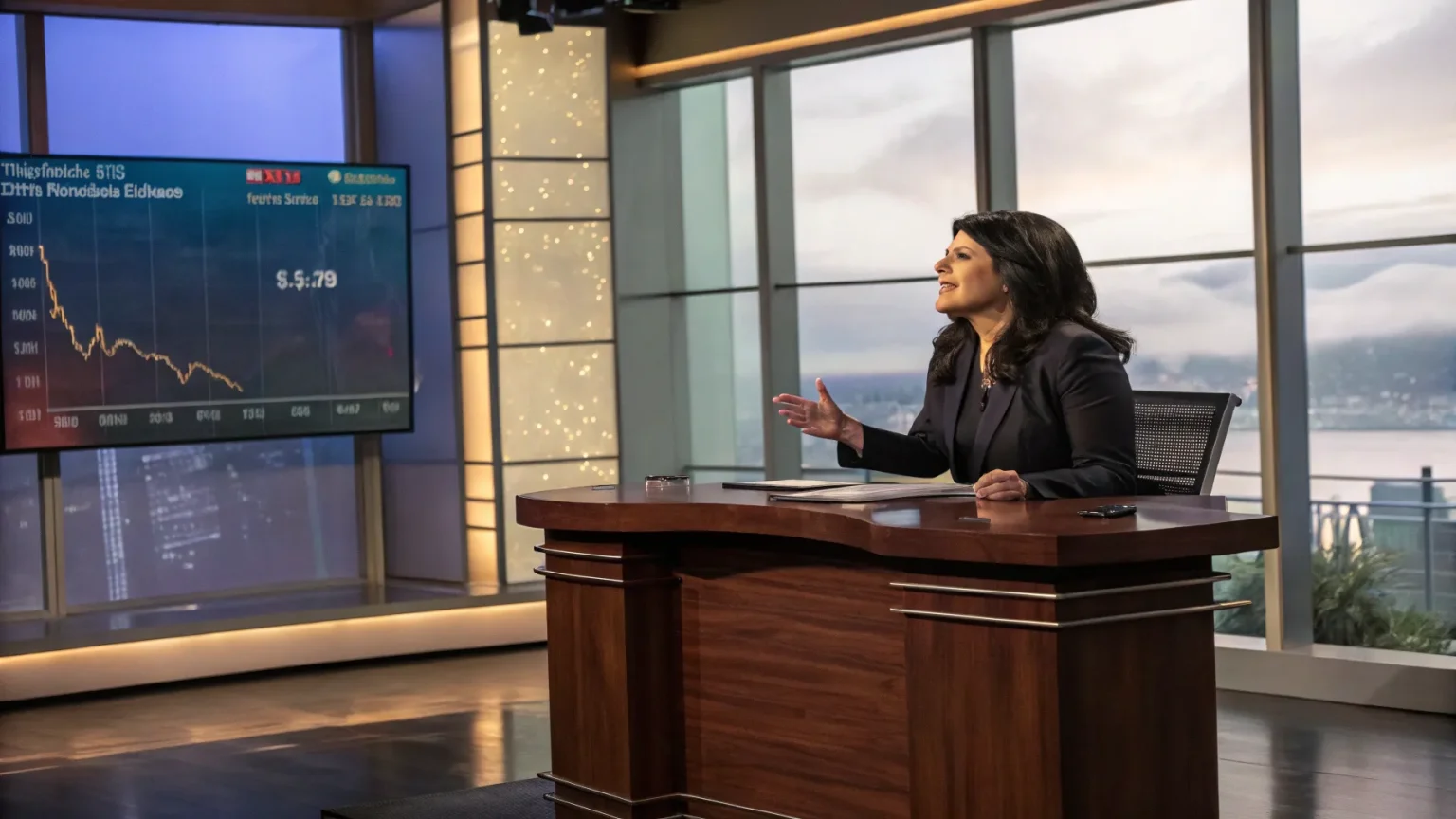
In a recent television appearance, QI Research CEO and chief strategist Danielle DiMartino Booth weighed in on the forces steering markets and the drumbeat of layoff announcements. Speaking on Making Money, she examined what is driving investor sentiment now and why corporate cost-cutting is spreading. Her remarks come as executives and households try to read the next phase of the cycle.
The Force Moving Prices
Booth framed the discussion around a single driver that, in her view, commands the most attention from traders and executives alike.
“The most important force.”
While she did not spell it out in that moment, her research often focuses on policy, liquidity, and labor dynamics. Those elements tend to set discount rates, shape earnings, and influence credit. When borrowing costs rise, financing and valuations usually reset. When they fall, risk appetite can return. Investors are weighing how long higher rates may last and what that means for profits.
Layoffs Signal A Shift In Corporate Playbooks
Booth also addressed fresh notices of job cuts across sectors. Companies are trimming headcount to protect margins, reorient spending, and refocus on core products. Many announcements cite slower demand, delayed enterprise purchases, or the need to streamline after pandemic-era hiring.
For workers, the message is mixed. The labor market remains tight by historical standards, according to recent federal data, yet pockets of weakness are appearing. White-collar roles in technology, media, finance, and certain retail categories are most exposed to discretionary spending and rate-sensitive demand.
- Cost controls are reemerging as a top priority.
- Management teams are guiding cautiously on revenue.
- Hiring freezes are common precursors to deeper cuts.
How Investors Are Responding
Market reactions to job cuts are uneven. Some stocks rally on cost savings. Others slide on fears that revenue is softening. Booth’s framing suggests investors should watch how layoffs intersect with pricing power and debt loads. Firms with high leverage face a tougher path if sales weaken.
Defensive sectors, such as utilities and staples, tend to attract attention when growth looks shaky. Rate-sensitive groups like housing and small caps can struggle if borrowing costs stay elevated. Credit markets also matter. Wider spreads often point to rising stress beneath the surface.
What It Means For The Economy
Layoffs can cool wage growth and spending, which feeds back into inflation and policy. If job losses broaden, policymakers may recalibrate. If they stay contained, restrictive settings could persist longer. Booth’s emphasis on a central force hints at the link between rates, employment, and earnings.
Small businesses, which rely heavily on credit, are facing higher interest expenses. That strains cash flow and limits investment. Larger firms can refinance or tap equity markets, but they are also signaling caution with slower hiring and trimmed guidance.
Signals To Watch Next
The path ahead will be shaped by a few data points and decisions that tie back to Booth’s focus.
- Monthly inflation readings that show whether price pressures are easing.
- Jobless claims and payroll reports for signs of labor softening.
- Corporate earnings calls that detail demand, inventory, and pricing.
- Policy statements that outline the outlook for rates and balance sheet runoff.
Booth’s remarks highlight an uneasy balance. Companies are cutting costs to protect margins, while investors track whether demand can hold under higher borrowing costs. The next few months will test that balance. If layoffs spread and credit tightens further, risk assets could wobble. If inflation cools and policy eases, markets may stabilize. For now, the “most important force” remains the one that sets the price of money—and the tone for everything else.


