

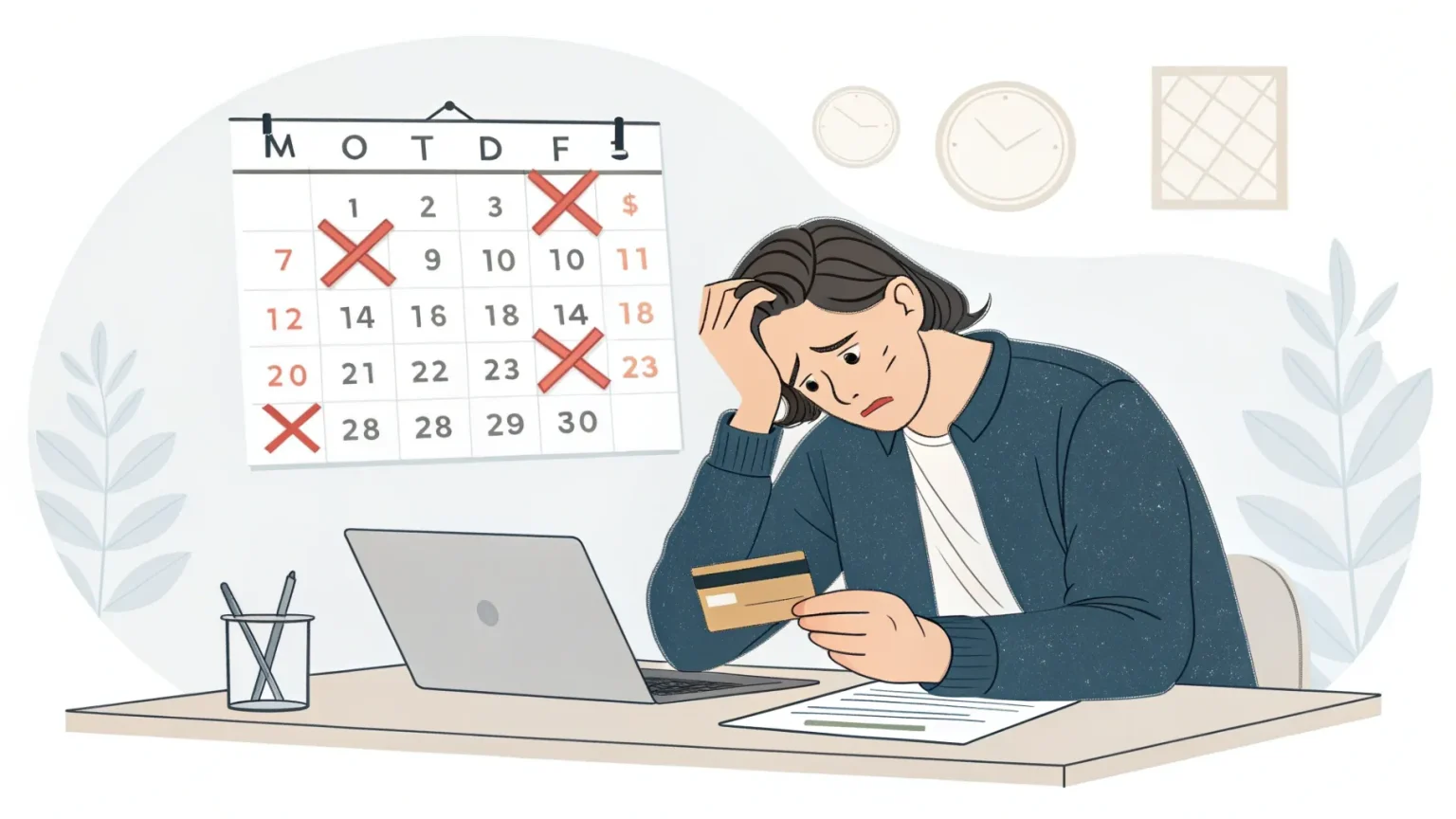
Job loss can quickly turn manageable credit card payments into a financial burden, leaving many cardholders searching for relief options. While credit card issuers do offer some assistance programs, the help available varies widely between companies and often falls short of what consumers need during extended periods of unemployment.
When facing unemployment, many cardholders discover that credit card companies provide less comprehensive hardship assistance than they might expect. The options typically focus on short-term relief rather than long-term solutions for those experiencing prolonged financial difficulties.
Available Hardship Programs
Most major credit card issuers offer some form of hardship assistance, though these programs are rarely advertised. Cardholders typically need to contact their issuer directly to inquire about available options. Common relief measures include:
- Temporary reduction in interest rates
- Waived late fees for a limited period
- Short-term payment deferrals (usually 1-3 months)
- Minimum payment reductions
Chase, Bank of America, Capital One, and American Express all maintain hardship programs, but the specific terms remain largely unpublished. This lack of transparency means cardholders often don’t know what assistance might be available until they call.
“Credit card companies evaluate hardship requests on a case-by-case basis,” explains consumer finance expert Sara Cohen. “The help offered depends on your payment history, how long you’ve been a customer, and the issuer’s internal policies.”
Limitations of Issuer Assistance
While hardship programs can provide temporary breathing room, they come with significant limitations. Most relief options last only 3-6 months, which may not be enough time for someone to secure new employment. Additionally, some issuers may close accounts or reduce credit limits when cardholders enter hardship programs.
Another critical limitation is that interest typically continues to accrue during hardship periods, even if minimum payments are reduced or temporarily suspended. This means the overall debt burden often increases during the relief period.
Financial counselor Michael Rodriguez warns: “Hardship programs should be viewed as short-term bridges, not long-term solutions. They’re designed to help you through a brief rough patch, not extended unemployment.”
What Issuers Won’t Do
Credit card companies generally will not forgive debt outright for unemployed cardholders. They also rarely offer permanent interest rate reductions or convert revolving credit accounts to fixed-payment installment loans with better terms.
Most issuers also continue to report account status to credit bureaus during hardship periods. While some may use special codes that don’t directly harm credit scores, late or missed payments that occur before enrolling in a hardship program will still impact credit reports.
The Consumer Financial Protection Bureau notes that cardholders should get clear information about how participation in hardship programs will be reported to credit bureaus before enrolling.
Alternative Options
For those facing extended unemployment, alternatives to issuer hardship programs may provide more substantial relief:
- Nonprofit credit counseling agencies can negotiate debt management plans with reduced interest rates
- Balance transfer cards with 0% introductory rates (for those who still qualify)
- Personal loans with lower interest rates to consolidate credit card debt
In severe cases, bankruptcy may be the most appropriate option, though it should generally be considered a last resort due to its long-term impact on credit.
Financial advisors recommend contacting credit card issuers as soon as job loss occurs, rather than waiting until payments are missed. Early communication often results in more favorable hardship terms and prevents initial damage to credit scores.
While credit card companies do offer some assistance to unemployed cardholders, consumers should approach these programs with realistic expectations and a clear understanding of their limitations. For many, combining issuer hardship programs with other debt management strategies provides the most effective path through periods of unemployment.


