

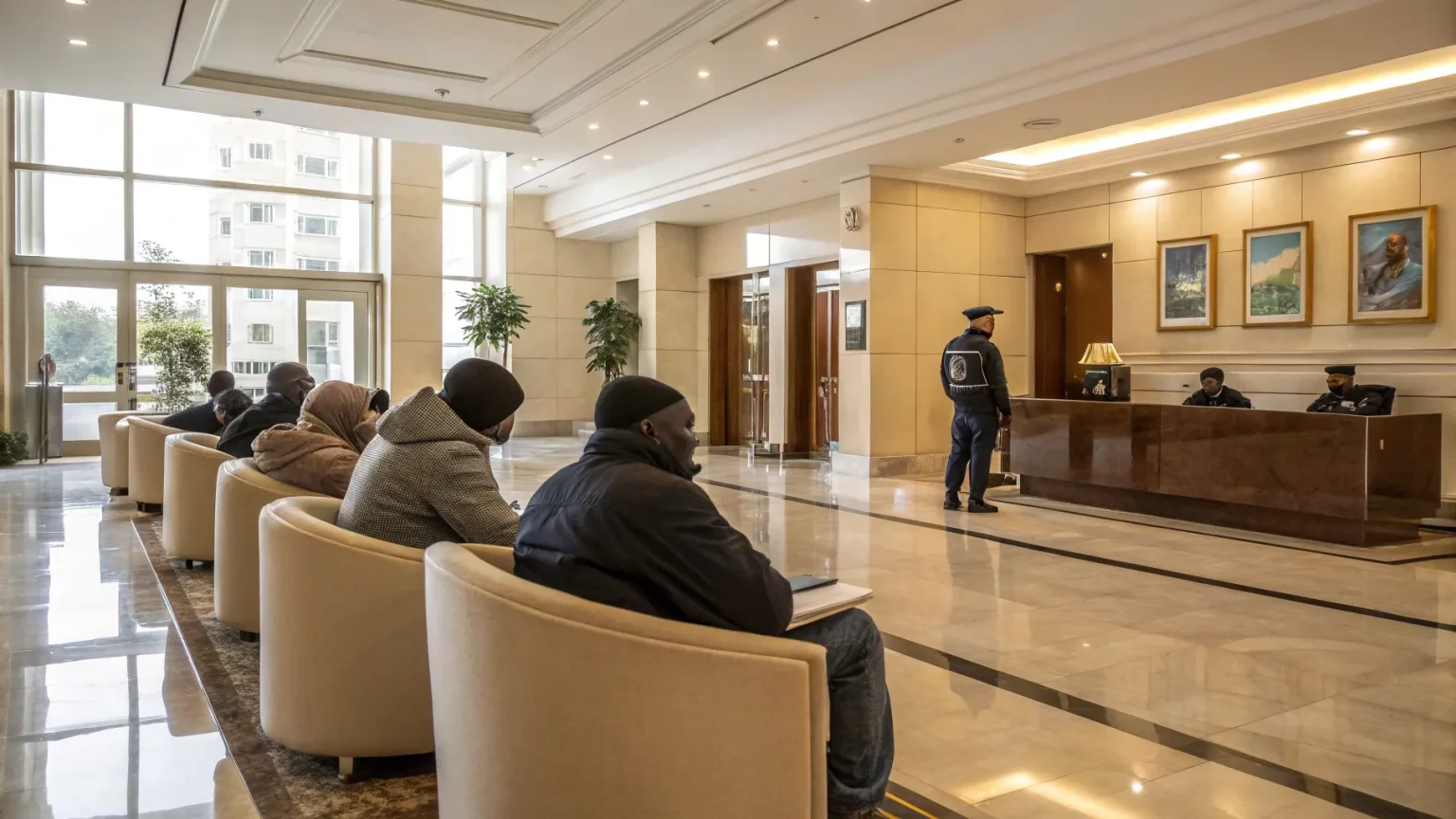
A UK court has upheld the government’s use of hotels to house asylum seekers, a decision seen as support for Labour’s approach to managing arrivals while longer-term reforms proceed. The ruling clears the way for continued hotel accommodation as ministers seek to cut costs, speed up decisions, and move people into stable housing. It arrives amid high pressure on the asylum system and a pledge to end reliance on hotels as soon as practical.
What the Ruling Means
The decision validates the government’s legal authority to use hotels as contingency accommodation. The court found that emergency housing can remain in place while the system works through backlogs and opens alternative sites. Supporters argue the judgment gives officials breathing room to avoid street homelessness and overcrowding in local shelters.
“The UK government won a key challenge against its use of hotels to house asylum seekers in a ruling that’s an effective backing of the Labour Party’s immigration policy.”
Ministers are expected to frame the result as a practical step. It allows them to keep people under one roof, provide basic services, and avoid abrupt relocations. Critics, however, say hotels are expensive, disruptive for communities, and not suitable for long stays.
Background on Hotel Use
Hotels became a major part of asylum housing during the pandemic and a rise in small-boat crossings. The previous Conservative government leaned heavily on short-term hotel contracts as normal accommodation ran short. By 2023, the government said hotel costs were running at about £8 million a day. Local councils and charities raised concerns about strain on schools, clinics, and social care.
After taking office in 2024, Labour pledged to phase out hotels by clearing the case backlog, expanding dedicated reception sites, and improving return and resettlement routes. The plan also focuses on targeting smuggling gangs and speeding decisions, which would shorten stays in temporary housing.
Political and Community Reactions
Supporters of the ruling say it recognizes the need for flexibility in a crowded system. They argue that ending hotel use overnight would push people into homelessness and fuel disorder. Some local leaders want stronger coordination and advanced notice before placements to manage services and security. Community groups continue to call for better access to school places, mental health support, and legal advice for new arrivals.
Opponents remain uneasy about prolonged hotel stays. They cite isolation, inconsistent food and health services, and limited space for families. Landlords and tourism businesses have also complained about block bookings that remove rooms from the market and push up prices in peak seasons.
Costs and Capacity Pressures
The asylum caseload has grown faster than permanent capacity. That mismatch has driven the move to hotels and other interim sites. The government argues that faster decisions, more reception centers, and improved case management will reduce demand for hotels over time.
- Hotel use offers immediate beds but at high daily cost.
- Backlog reductions are key to shorter stays.
- Local services need funding to manage placements.
Charities say early access to work or training could cut public costs and help integration. Some business groups support limited work permissions during long waits, arguing it would fill staff shortages. Others warn that expanded work access could act as a pull factor. The government has not signaled a change on work rights at this stage.
What Happens Next
The ruling strengthens the legal footing for hotel use in the near term. It does not change the political goal to end reliance on temporary rooms. The Home Office is expected to push through a mix of faster decision-making and alternative accommodation. That includes larger reception facilities, more stable contracts, and tighter oversight of placements.
Key tests will be how quickly the backlog falls, whether new sites open without major delays, and if local partnerships improve. The government will face scrutiny on cost control and living standards inside temporary housing. Rights groups will watch for safeguards for children, survivors of trafficking, and people with health needs.
The decision offers short-term stability but also raises the stakes for delivery. If the backlog shrinks and reception capacity grows, hotel contracts should ease. If progress stalls, costs and community frustration are likely to rise. The coming months will show whether policy and operations can align to end long stays in hotels while keeping the system humane and orderly.


